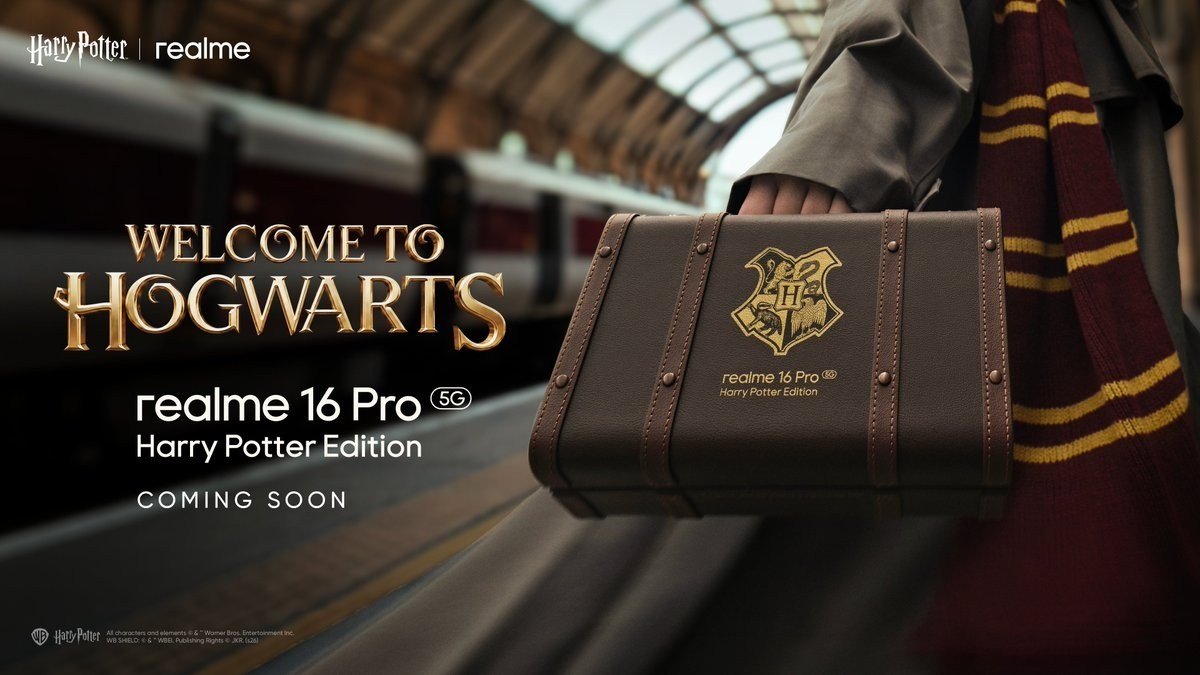
Realme has officially confirmed the forthcoming release of its latest special edition smartphone, the Realme 16 Pro Harry Potter Edition, scheduled to hit global markets in September 2026. This announcement, which has generated significant buzz within the tech community, marks a strategic pivot for the Chinese manufacturer as it continues to leverage high-profile intellectual property (IP) collaborations to solidify its standing in the competitive mid-range premium smartphone segment. Developed in official partnership with Warner Bros. Discovery, the device serves as a bridge between high-performance hardware and the immersive aesthetic of the Wizarding World, offering fans a unique opportunity to own a piece of pop-culture-integrated technology.
A Strategic Evolution in Brand Positioning
The decision to launch a thematic variant of the Realme 16 Pro is not merely a cosmetic endeavor but a calculated business strategy. In recent years, the smartphone market has seen a saturation of generic devices, prompting manufacturers to seek differentiation through lifestyle branding. By tapping into the massive, multi-generational fan base of the Harry Potter franchise, Realme is positioning its hardware as a lifestyle accessory rather than just a utility.
Market analysts suggest that this collaboration is aimed at capturing the "prosumer" demographic—individuals who value technical specifications such as high-refresh-rate displays and advanced imaging systems but are also deeply invested in fandom culture. By blending the robust performance of the 16 Pro series with an exclusive design language, Realme is effectively increasing the product’s perceived value, allowing for a premium pricing strategy that aligns with the "limited edition" nature of the device.
Technical Foundation and Hardware Specifications
Beneath the magical exterior, the Realme 16 Pro Harry Potter Edition maintains the technical integrity of its standard counterpart. The device is anchored by a sophisticated curved AMOLED display, which offers superior color reproduction and deep contrast ratios, essential for a premium media consumption experience. To ensure the fluid visual output expected of modern smartphones, the display supports high refresh rates, making interactions, gaming, and navigation appear remarkably smooth.
The internal architecture is powered by the latest mid-range chipset from MediaTek, chosen for its power efficiency and high-performance throughput. This silicon is paired with generous RAM and internal storage configurations, ensuring that the device can handle intensive multitasking without compromising speed. Perhaps the most critical component for the modern user is the camera array; the Realme 16 Pro features a high-resolution primary sensor bolstered by Optical Image Stabilization (OIS). This hardware, when combined with Realme’s proprietary, AI-driven low-light image processing algorithms, ensures that the device remains competitive in photography, even in challenging lighting conditions.
Furthermore, the battery system is designed for the modern, fast-paced user. The integration of high-capacity battery technology combined with proprietary fast-charging protocols ensures that the device can be replenished in a fraction of the time required by standard handsets. This focus on "fast charging" has become a hallmark of the Realme brand, and its inclusion in the Harry Potter edition ensures that the thematic elements do not come at the expense of functional reliability.
Thematic Aesthetics and Immersive User Experience
The hallmark of the Harry Potter Edition is its meticulous attention to detail. The exterior of the device features a bespoke design, including an intricate engraving of the Hogwarts School of Witchcraft and Wizardry crest. Realme has opted for a sophisticated, fingerprint-resistant finish that preserves the aesthetic integrity of the device during daily use.
The commitment to the theme extends deep into the software, where the Realme UI has been entirely overhauled. Users will interact with a customized environment that includes:
- Themed User Interface: Bespoke icons, typography, and wallpaper sets that reflect the four houses of Hogwarts.
- Dynamic Animations: Unique charging animations and system transition effects that utilize magical motifs.
- Auditory Experience: Exclusive ringtones, notification sounds, and alarm alerts sourced from the iconic soundscapes of the Harry Potter universe.
The unboxing experience has been curated to mirror the acquisition of a wizarding artifact. The handset is housed in a box modeled after a magical trunk, complete with "magical" compartment design. Included in the package are several collector’s items, such as a SIM ejector tool fashioned to resemble a wand, a protective case featuring house-specific iconography, commemorative stickers, and a serialized certificate of authenticity, emphasizing the limited nature of the release.
Historical Context of IP Collaborations in Tech
The trend of manufacturers partnering with entertainment franchises is well-documented. Historically, companies like Samsung and OnePlus have utilized similar strategies to drive consumer engagement. Realme’s entry into this space with the 16 Pro series reflects a broader trend where tech companies are diversifying their marketing spend to target specific emotional touchpoints.
The timeline for this launch is also significant. By targeting September, Realme aligns its release with the start of the academic year in many parts of the world—a nod to the "Back to Hogwarts" theme central to the Harry Potter lore. This timing is intended to maximize seasonal sales and capitalize on the nostalgia often associated with the autumn season for fans of the series.
Implications for the Global Market
The Realme 16 Pro Harry Potter Edition is initially slated for a rollout in the Chinese market, followed by a phased expansion into key regions across Asia and Europe. This geographic approach allows the company to manage supply chain logistics for a limited-run product while gauging regional demand.
The success of this launch will likely dictate the future of Realme’s "limited edition" series. If the device performs well, it could set a precedent for future collaborations, potentially expanding the scope of thematic hardware to include other major franchises within the Warner Bros. portfolio or beyond. For consumers, the implications are clear: the line between consumer electronics and collectible memorabilia is blurring.
Official Stance and Future Announcements
While specific pricing details remain under wraps, market observers anticipate a premium surcharge over the standard Realme 16 Pro. Realme has indicated that it will release further details regarding regional pricing, pre-order timelines, and specific availability in international markets during its upcoming product launch event.
The industry is watching closely to see how the market responds to this fusion of high-tier specifications and niche thematic design. As the demand for personalized, expressive technology grows, the Realme 16 Pro Harry Potter Edition stands as a bold, ambitious attempt to define the next generation of mobile hardware—one that prioritizes not just what a phone can do, but how it makes the user feel. Whether it serves as a daily driver for the avid fan or a pristine collector’s piece, the device promises to be one of the most talked-about releases of late 2026. As the launch date approaches, further disclosures regarding the specific software version and exclusive features are expected to be shared via official Realme communication channels.