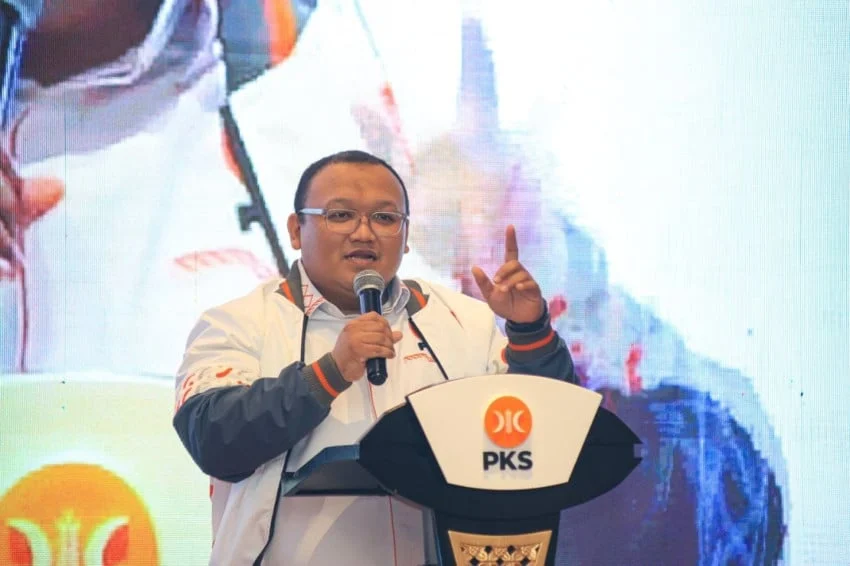
The PKS Muda Summit 2026, a significant event focused on empowering and preparing the youth wing of the Prosperous Justice Party (PKS) for future leadership roles, officially commenced on July 17, 2026, and is scheduled to conclude on July 19, 2026. The summit, themed "Youth Collaboration, Building Indonesia," was inaugurated by the Secretary General of PKS, Muhammad Kholid, who delivered a pivotal political address outlining the essential pillars for young PKS cadres to successfully inherit the party’s leadership mantle. Kholid emphasized four core attributes: militancy, competence, relevance, and contribution, as crucial prerequisites for the next generation of PKS leaders.
The summit, organized by the Youth Affairs Bureau of the PKS Central Executive Board (DPP), represents a strategic initiative to bridge the generational gap within the party and ensure a robust pipeline of capable leaders ready to steer PKS towards future electoral successes. The timing of the summit, occurring in mid-2026, places it strategically in the lead-up to the 2029 general elections, a period where PKS, like other political entities, will be intensely focused on mobilizing support and solidifying its political standing.
The Four Pillars of Future Leadership
In his opening remarks, Secretary General Muhammad Kholid directly addressed the perennial question of intergenerational leadership transfer within political organizations. "If an organization is capable of cadre development, it must also be capable of regeneration. The challenge often lies in seniors questioning whether their younger members are ready to carry the torch of leadership. This is the question we must prove and answer through concrete actions," Kholid stated, underscoring the PKS leadership’s commitment to fostering an environment where youth can demonstrably earn their place.
Kholid elaborated on the four indispensable qualities he believes are paramount for young PKS cadres:
-
Militancy: This was presented not merely as a characteristic but as a fundamental prerequisite for PKS membership. Kholid articulated that militancy within PKS is deeply rooted in the party’s core values and struggle. "Militancy is the minimum requirement for a PKS member. PKS cadres must possess strong militancy. We move because of our values, not because of orders, not because we are forced, but because of the values we believe in, that is what we fight for," he explained. This emphasis suggests that PKS seeks individuals driven by ideological conviction and a deep-seated commitment to the party’s mission, rather than those motivated by external pressures or transactional politics.
-
Competence: Beyond ideological commitment, Kholid stressed the necessity of developing practical skills and knowledge. In an increasingly complex political landscape, competence encompasses a broad range of abilities, from policy analysis and strategic planning to public speaking and digital engagement. For PKS, this likely translates to equipping young cadres with the intellectual rigor and practical expertise needed to formulate effective policies, articulate party positions persuasively, and navigate the intricacies of modern governance. The summit’s agenda likely includes sessions and workshops aimed at honing these specific competencies.
-
Relevance: In the contemporary political arena, staying relevant is crucial for maintaining public appeal and influence. Kholid’s emphasis on relevance highlights the need for young PKS leaders to understand and connect with the evolving needs, aspirations, and concerns of the Indonesian populace, particularly younger demographics. This involves staying abreast of societal trends, technological advancements, and emerging social issues, and adapting the party’s message and approach accordingly. The theme of the summit, "Youth Collaboration, Building Indonesia," itself suggests a focus on how the youth can contribute meaningfully to national development in ways that resonate with current challenges.
-
Contribution: Ultimately, leadership is defined by impact. Kholid underscored that young cadres must demonstrate their capacity to make tangible contributions to the party’s objectives and to the broader Indonesian society. This could manifest in various forms, such as initiating community programs, leading successful advocacy campaigns, or contributing to policy formulation. The expectation is that young leaders will not just occupy positions but will actively drive progress and deliver results.
Context of the PKS Muda Summit 2026
The PKS Muda Summit 2026 is not an isolated event but rather a significant component of PKS’s long-term strategy for political sustainability and growth. Political parties globally face the ongoing challenge of engaging younger generations, who often exhibit different political attitudes and engagement styles compared to older demographics. Indonesia, with its significant youth population, presents a particularly crucial demographic for any political party aiming for sustained electoral success.
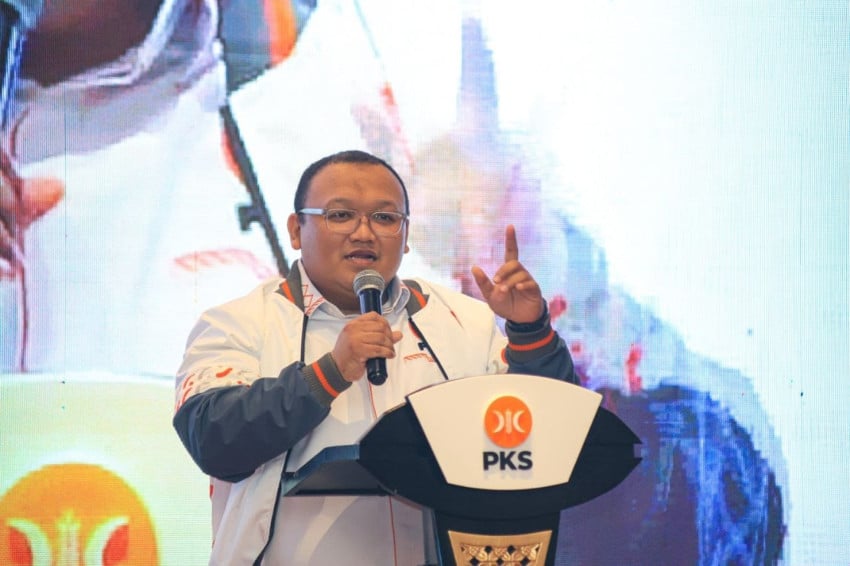
PKS, historically drawing a substantial portion of its support from religious and socially conservative segments, has been actively working to broaden its appeal and adapt to contemporary political dynamics. The emphasis on "Youth Collaboration" and the specific focus on empowering young cadres reflect a strategic recognition that tapping into the energy, ideas, and networks of young Indonesians is essential for PKS to remain a competitive force.
The summit’s theme, "Kolaborasi Muda, Bangun Indonesia" (Youth Collaboration, Building Indonesia), directly links the party’s internal development with its national aspirations. It suggests that empowering young PKS members is not solely about internal party politics but is intrinsically tied to their potential to contribute to the nation’s progress. This framing aims to position PKS as a party that actively fosters and harnesses youth potential for national development.
Chronology of Key Developments Leading to the Summit
While the provided text focuses on the opening day, the PKS Muda Summit 2026 is the culmination of ongoing efforts within PKS to cultivate its youth leadership. This process can be broadly understood through several key stages:
- Early 2020s – Increased Focus on Youth Engagement: Following the 2019 general elections, PKS, like many parties, likely conducted post-election analyses that highlighted the need to strengthen its connection with younger voters and potential leaders. This period would have seen an increased emphasis on social media outreach and youth-focused programs.
- 2023-2025 – Strategic Planning and Program Development: The PKS Youth Affairs Bureau would have been actively planning initiatives to groom future leaders. This would involve identifying promising young cadres, developing training modules, and organizing smaller-scale events to foster leadership skills and ideological alignment. The mention of "Gema Keadilan" (Justice Echo) as an incubator for young leaders, as referenced in a related article, suggests a pre-existing framework or initiative that complements the summit.
- Early 2026 – Summit Announcement and Preparations: The decision to host the PKS Muda Summit 2026 would have been finalized, with intensive preparations underway. This includes curriculum development, speaker invitations, logistical arrangements, and outreach to relevant youth organizations and PKS branches.
- July 17-19, 2026 – PKS Muda Summit 2026: The event itself, serving as a focal point for consolidating and accelerating the party’s youth leadership development strategy.
Supporting Data and Analysis
The demographic landscape of Indonesia provides a compelling backdrop for the PKS Muda Summit. As of recent estimates, over 50% of Indonesia’s population is under the age of 30. This "demographic bonus" represents a significant voting bloc and a vast pool of potential talent. Political parties that can effectively engage and mobilize this demographic are poised for greater electoral success.
PKS’s historical performance in general elections indicates a consistent presence, but sustained growth often depends on adapting to evolving voter preferences. In the 2019 general election, PKS secured approximately 8.2% of the national vote. While this demonstrates a stable base, future electoral victories, particularly aiming for a more dominant position, would necessitate capturing a larger share of the youth vote and nurturing a new generation of charismatic and capable leaders.
The emphasis on militancy, competence, relevance, and contribution by Secretary General Kholid can be analyzed as a strategic response to several factors:
- Combating Apathy: Young people can sometimes exhibit political apathy due to a perceived disconnect between their concerns and the political establishment. By emphasizing relevance and contribution, PKS aims to demonstrate that its youth cadres are actively engaged in addressing these concerns and making a difference.
- Ensuring Ideological Cohesion: Militancy ensures that new leaders remain grounded in the party’s core ideology, preventing dilution or deviation from its foundational principles. This is particularly important for parties with strong ideological underpinnings like PKS.
- Building Trust and Credibility: Competence is crucial for building trust with the electorate. Voters expect their leaders to be knowledgeable, capable, and effective. By focusing on competence, PKS signals its commitment to professionalizing its leadership.
- Future-Proofing the Party: Regeneration through the development of young leaders is vital for the long-term survival and adaptability of any political party. The PKS Muda Summit is a clear investment in the party’s future.
Potential Reactions and Broader Implications
The PKS Muda Summit 2026 is likely to elicit various reactions from different stakeholders:
- Within PKS: The summit is expected to galvanize young cadres, fostering a sense of belonging and opportunity. It may also serve as a benchmark for leadership development within the party, potentially leading to internal discussions about succession planning and the role of youth in decision-making.
- Rival Political Parties: Other political parties will likely observe PKS’s youth engagement strategies with interest. Successful youth mobilization by PKS could prompt similar initiatives from competitors, intensifying the competition for the youth vote.
- Youth Organizations and Civil Society: Non-partisan youth organizations and civil society groups may view the summit as a positive step towards greater youth participation in politics. They might also engage with PKS on specific policy issues related to youth development.
- The Electorate: The effectiveness of the PKS Muda Summit will ultimately be judged by its impact on the party’s ability to connect with and mobilize young voters in future elections. The development of young leaders who can articulate compelling visions and demonstrate tangible contributions will be key to PKS’s electoral prospects.
The broader implications of the PKS Muda Summit 2026 extend beyond the party itself. It signifies a continued trend in Indonesian politics where parties are increasingly recognizing the imperative to invest in their youth wings and cultivate a new generation of leaders. The success of such initiatives can contribute to a more dynamic and representative political landscape, where the voices and aspirations of young Indonesians are more effectively integrated into national governance. The summit’s emphasis on collaboration and national building suggests an aspiration to position PKS as a party that not only seeks political power but also actively contributes to the country’s development, with its youth playing a central role in that endeavor. As the summit progresses, close attention will be paid to the concrete outcomes and the tangible impact on the development of PKS’s future leadership cadre.