In a harrowing tale that underscores the persistent dangers of sea travel in the vast Indonesian archipelago, seven-year-old Diska Yanti has been left an orphan after the passenger vessel KM Nurul Salsa capsized en route to Benteng Port in Kepulauan Selayar Regency, South Sulawesi. Diska’s parents, Hasbi (41) and Malida (31), originally from Ma’minasata Village, Pasimasunggu District, Selayar Regency, are among the missing victims of the tragic incident that occurred on Wednesday, July 15th, their fates remaining uncertain after days of intensive search operations. The young girl’s survival, alongside other passengers, offers a glimmer of hope amidst profound loss, yet casts a stark light on the urgent need for enhanced maritime safety protocols across the nation.
The Ill-Fated Voyage and a Struggle for Survival
The KM Nurul Salsa, a vessel commonly used for inter-island transport in the Selayar region, embarked on its journey carrying an unspecified number of passengers and cargo when it encountered treacherous conditions. While the precise cause of the capsizing remains under investigation, initial reports suggest the vessel was hit by high waves amidst rough seas, a common hazard in Indonesia’s dynamic maritime environment, particularly during periods of inclement weather. The incident rapidly turned into a desperate struggle for survival as the ship succumbed to the powerful forces of the sea.
Among those on board were Diska, her parents, and her aunt, Bau Asseng (23), who later recounted the horrifying ordeal. As the ship began to sink, the passengers were thrown into the churning waters. Diska, her parents, and her aunt, along with six other individuals, managed to cling to a makeshift raft fashioned from gabus (styrofoam floats), a testament to their immediate resourcefulness in the face of disaster. For days, these survivors battled against the relentless waves, dehydration, and exhaustion, their hope for rescue dwindling with each passing hour.
Bau Asseng vividly described the dire situation: "Diska was with her father and mother before the accident. But, that’s how fate works." She explained that the initial group of survivors struggled to stay together due to the severe sea conditions. The powerful waves eventually separated Diska’s parents from the group. Her mother, Malida, tragically succumbed to the elements after three nights adrift, dying from severe dehydration and fatigue while still clinging to the gabus. In a heart-wrenching decision born of sheer desperation and the need to preserve their own fading strength, the remaining survivors were forced to leave Malida’s body behind in the vast expanse of the ocean.
Diska’s father, Hasbi, before being separated from the group, managed to utter a final, poignant plea to Bau Asseng: "Please take care of Diska." His words became a sacred trust, a beacon of responsibility in the face of unimaginable loss, underscoring the profound human connection and the instinct to protect loved ones even in the direst circumstances. This last instruction weighed heavily on Bau Asseng as she continued her desperate fight for survival, now with the added burden of protecting her young niece.
Rescue and Aftermath: A Glimmer of Hope Amidst Despair
After enduring several harrowing days adrift, a glimmer of hope appeared on Saturday, July 18th. A fishing vessel, traversing the waters from the Flores Sea, spotted the desperate survivors. The five individuals still clinging to the gabus—Bau Asseng (23), Diska Yanti (7), Sri Ardita (17), Andi Samad (62), and Sitti Amang (55)—were miraculously rescued and evacuated. Their survival against such odds is a testament to their resilience and the fortunate timing of the passing fishing boat, which often serves as the first line of rescue in remote maritime incidents.
Upon their rescue, the survivors were immediately provided with medical attention, their bodies weakened by exposure and starvation, but their spirits, though traumatized, intact. The news of their survival brought a wave of relief to the anxious families and communities in Selayar, who had been holding vigil since the news of the capsizing broke. However, this relief was tempered by the ongoing uncertainty surrounding the fate of the remaining passengers, including Diska’s parents, whose disappearance continued to fuel an extensive search and rescue operation.
The emotional toll on Diska, in particular, is immense. To witness such a traumatic event, to lose both parents in such a sudden and brutal manner, leaves an indelible scar. Her young age amplifies the tragedy, highlighting the long road to recovery and adjustment that lies ahead for her.
Official Response and Long-Term Commitments
In the wake of the tragedy, the local government of Kepulauan Selayar Regency swiftly responded, recognizing the profound impact on the community and the urgent need for support. Bupati (Regent) Kepulauan Selayar, Natsir Ali, publicly announced the government’s commitment to provide assistance to the victims of the KM Nurul Salsa incident. A significant part of this commitment is directed towards Diska, who has become a symbol of the tragedy’s human cost.
Bupati Natsir Ali pledged that the local government would guarantee Diska’s educational expenses, ensuring her path to higher education. "Regarding the young child, we are aware that she has lost her parents, and God willing, she will become the responsibility of the regional government," he stated. This promise of long-term support offers a crucial safety net for Diska’s future, alleviating some of the immediate anxieties faced by her surviving relatives and ensuring she has the opportunity to rebuild her life.
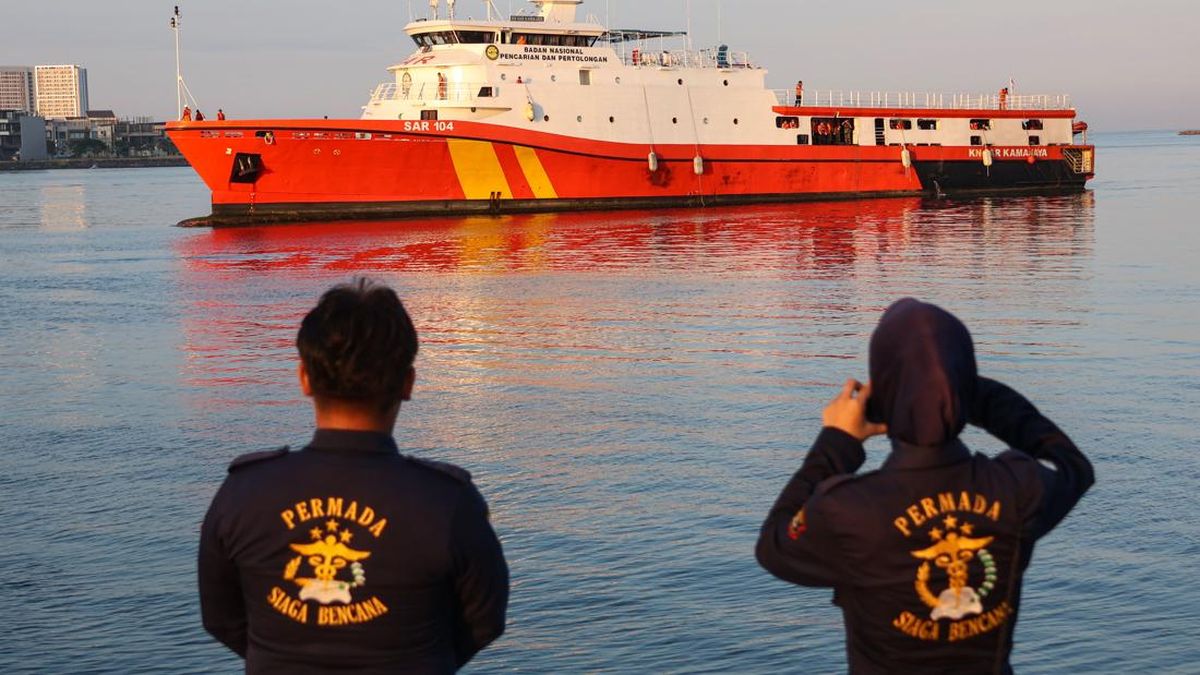
Beyond the immediate welfare of survivors, Bupati Natsir Ali also affirmed the government’s unwavering dedication to the ongoing search and rescue efforts. He emphasized the deployment of all available resources and the strengthening of coordination with various agencies to locate the remaining missing passengers. "We ask for the prayers of all the community so that the search process is facilitated and the victims who are still missing can be immediately rescued," he appealed, acknowledging the challenging nature of SAR operations in the vast Indonesian seas.
The Broader Context of Maritime Safety in Indonesia
The tragic capsizing of KM Nurul Salsa is not an isolated incident but rather a somber reminder of the persistent maritime safety challenges faced by Indonesia, the world’s largest archipelagic nation. With over 17,500 islands, sea transportation is an indispensable lifeline for millions of Indonesians, connecting remote communities, facilitating trade, and serving as a primary mode of passenger travel. However, this reliance often comes with significant risks.
Common Contributing Factors to Maritime Accidents:
- Overloading: Many traditional vessels, including those used for passenger transport, often exceed their official capacity to maximize profits, especially during peak seasons or for journeys to remote areas where alternative transport is scarce. This significantly compromises stability and safety.
- Unseaworthy Vessels: A considerable number of boats operating in inter-island routes are old, poorly maintained, or lack essential safety equipment, failing to meet modern maritime standards.
- Adverse Weather Conditions: The Indonesian archipelago is prone to sudden and severe weather changes, including powerful storms and high waves, which can quickly overwhelm smaller vessels. Despite weather warnings from meteorological agencies, some captains may choose to proceed with voyages due to commercial pressures or underestimation of risks.
- Lack of Safety Equipment: Many vessels either lack sufficient life rafts, life jackets, or communication devices, or the existing equipment is not properly maintained or easily accessible.
- Human Error: Poor navigation, inadequate training of crew members, and fatigue can contribute to accidents.
- Lax Enforcement: Despite regulations from the Ministry of Transportation and its Directorate General of Sea Transportation, enforcement can be inconsistent, particularly in remote areas where oversight is challenging.
Search and Rescue (SAR) Challenges in an Archipelago:
The National Search and Rescue Agency (BASARNAS) plays a critical role in responding to maritime disasters. However, its operations in Indonesia face unique challenges:
- Vast Operational Area: Covering thousands of islands and millions of square kilometers of sea makes rapid deployment and comprehensive search efforts extremely difficult.
- Limited Resources: While BASARNAS is well-equipped, the sheer scale of potential incidents means resources can be stretched thin, especially during multiple concurrent emergencies.
- Communication Gaps: Remote locations often have poor communication infrastructure, delaying distress signals and coordination efforts.
- Oceanographic Complexity: Strong currents, deep waters, and unpredictable weather patterns make locating debris and victims highly challenging.
According to data from the National Transportation Safety Committee (KNKT) and various maritime safety organizations, Indonesia experiences a significant number of maritime incidents annually, ranging from minor collisions to major sinkings. While official statistics vary, these incidents frequently result in casualties, highlighting a systemic issue that requires continuous and robust intervention. The Selayar incident, therefore, serves as a poignant reminder of these ongoing vulnerabilities.
Calls for Stricter Enforcement and Comprehensive Safety Measures
The tragedy of the KM Nurul Salsa is expected to intensify calls for stricter enforcement of maritime safety regulations. Stakeholders, including maritime experts, community leaders, and victim advocacy groups, often demand:
- Regular Vessel Inspections: More frequent and rigorous inspections to ensure seaworthiness and compliance with safety standards.
- Mandatory Safety Equipment Checks: Ensuring all vessels carry adequate, functional life-saving equipment and that passengers are informed about their use.
- Improved Weather Monitoring and Communication: Better dissemination of weather warnings and mandatory adherence to advisories for all commercial vessels.
- Enhanced Crew Training: Comprehensive training programs for captains and crew on emergency procedures, navigation, and passenger safety.
- Public Awareness Campaigns: Educating passengers about their rights and responsibilities regarding safety, including refusing to board overloaded vessels.
- Investment in Infrastructure: Upgrading port facilities and navigation aids, particularly in remote regions.
The government, through the Ministry of Transportation, typically initiates investigations following such incidents to determine the cause, identify responsible parties, and review existing policies. These investigations are crucial for identifying systemic weaknesses and implementing corrective measures to prevent future tragedies.
The Human Cost and Long-Term Implications
For Diska and the other survivors, the journey towards recovery will be long and arduous. Beyond the physical scars, the psychological trauma of witnessing such a catastrophic event and losing loved ones will require extensive support. Child psychologists and social workers will play a crucial role in helping Diska process her grief and adapt to her new reality. The commitment from the Selayar Regency government for her education is a vital step, but comprehensive psychosocial support is equally important.
The incident also leaves an indelible mark on the community of Ma’minasata Village and the wider Selayar Regency. Families mourn their lost loved ones, and the collective grief underscores the vulnerability of island communities reliant on sea travel. Such tragedies often foster community solidarity, as neighbors and relatives rally to support those affected, but they also highlight the urgent need for systemic changes to prevent future heartbreak.
The KM Nurul Salsa tragedy serves as a powerful testament to the harsh realities of maritime travel in the Indonesian archipelago. While the rescue of Diska and other survivors offers a beacon of hope, the loss of life, particularly that of her parents, underscores the profound human cost when safety protocols falter. As search efforts continue and the community grapples with its grief, the incident reinforces the critical imperative for all stakeholders – government, vessel operators, and passengers alike – to prioritize and uphold the highest standards of maritime safety, ensuring that no child has to endure the unimaginable loss that Diska has faced. The memory of Hasbi’s last plea to "take care of Diska" resonates as a solemn reminder of the immense responsibility owed to every passenger who embarks on a journey across Indonesia’s vast and often unpredictable seas.