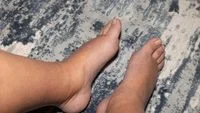
For many individuals, the journey toward physical fitness is defined by a rigorous cycle of caloric restriction and consistent cardiovascular exercise. However, a significant subset of the population finds that while their midsection, arms, or face may show the expected results of a healthy lifestyle, their lower extremities—specifically the thighs, calves, and buttocks—remain disproportionately large. This physiological inconsistency often leads to profound psychological distress and the erroneous conclusion that their efforts are insufficient. Medical professionals, however, have increasingly identified this phenomenon as lipedema, a chronic, often misdiagnosed disorder of adipose tissue distribution that requires clinical intervention rather than mere lifestyle modification.
Defining the Pathology of Lipedema
Lipedema is fundamentally a disorder characterized by the abnormal and symmetrical deposition of subcutaneous fat, primarily affecting the lower body. Unlike typical obesity, which involves a systemic increase in body mass, lipedema creates a distinct anatomical silhouette where the upper body remains lean or average, while the legs, from the hips to the ankles, exhibit significant, non-responsive volume.
The condition is predominantly observed in biological females, suggesting a strong correlation with hormonal shifts. Clinical observations indicate that the onset or exacerbation of lipedema often coincides with critical hormonal milestones, including puberty, pregnancy, and menopause. Furthermore, the condition appears to have a familial component; research suggests that a genetic predisposition exists, with many patients reporting similar physical traits among female relatives, pointing toward an underlying hereditary mechanism that remains a subject of ongoing genetic study.
The Diagnostic Challenge: Lipedema Versus General Obesity
The primary obstacle in addressing lipedema is its frequent misidentification as generalized obesity. Because the condition results in an increased volume of adipose tissue, it is often dismissed by both patients and general practitioners as a weight management issue. However, the fundamental pathology of lipedema renders traditional diet and exercise regimens largely ineffective at reducing the affected fat stores.
In a clinical setting, healthcare providers look for several hallmark indicators to differentiate lipedema from common obesity:
- Symmetry and Distribution: Lipedema fat is deposited symmetrically on both sides of the body. A key diagnostic marker is the "cuffing" effect at the ankles; the feet are typically spared, creating a stark, visible boundary between the enlarged leg and the normal-sized foot.
- Resistance to Caloric Deficit: In instances of standard obesity, fat stores are mobilized systemically when a caloric deficit is achieved. In lipedema, the adipose tissue remains remarkably stable regardless of extreme weight loss efforts, which can lead to significant patient frustration and secondary mental health issues such as body dysmorphia or disordered eating.
- Pain and Sensitivity: Perhaps the most significant differentiator is the presence of physical discomfort. Lipedema tissue is often hypersensitive to touch and prone to spontaneous bruising. Patients frequently report a sensation of "heaviness" in the limbs, which often worsens as the day progresses, particularly after periods of prolonged standing or sitting.
Chronology of Clinical Recognition
While lipedema was first described in the medical literature by Allen and Hines at the Mayo Clinic in 1940, the condition remained largely overlooked for decades. For much of the 20th century, it was relegated to the periphery of medical training, often categorized under general obesity or lymphedema.
It was not until the early 21st century that advocacy groups and specialists in lymphatic medicine began to push for broader recognition. The late 2000s and 2010s saw a surge in clinical interest, leading to the development of standardized criteria for diagnosis. Today, international consensus guidelines exist to assist clinicians in distinguishing lipedema from other lipid-storage disorders and chronic venous insufficiency. Despite this, many patients continue to report a "diagnostic odyssey," often visiting multiple specialists—including dermatologists, endocrinologists, and general practitioners—before receiving an accurate assessment.
Supporting Data and Demographic Trends
Epidemiological data on lipedema is difficult to ascertain with precision due to historical under-diagnosis, but current estimates suggest the condition may affect as many as 11% of the female population. This prevalence highlights the necessity for increased awareness within primary care settings.
Recent studies conducted by organizations such as the Lipedema Foundation have focused on the biological nature of this adipose tissue. Laboratory analysis has shown that the fat cells (adipocytes) in lipedema patients are not only larger but also prone to inflammation and fibrosis. This structural difference explains why the tissue feels "lumpy" or "nodular" to the touch as the disease progresses through its clinical stages.
Clinical Implications and Management Strategies
The management of lipedema is centered on symptom reduction, the prevention of disease progression, and the maintenance of lymphatic health. Because there is currently no cure, treatment is multidisciplinary.
The gold standard for conservative management is Complete Decongestive Therapy (CDT). This intensive protocol includes:
- Manual Lymphatic Drainage (MLD): A specialized form of light-touch massage that encourages the flow of lymph fluid, reducing the congestion that often accompanies the adipose tissue accumulation.
- Compression Garments: The consistent use of medical-grade compression stockings or leggings is vital. These garments provide the external pressure necessary to minimize swelling, reduce pain, and improve the structural integrity of the affected limbs.
- Specialized Exercise: While aerobic exercise may not shrink the lipedema fat, it is crucial for cardiovascular health and the maintenance of mobility. Aquatic exercise, such as swimming or water aerobics, is often recommended because the hydrostatic pressure of the water provides natural compression while minimizing joint impact.
In more advanced stages, where the tissue has become significantly fibrotic or where secondary lymphedema has developed, surgical intervention may be considered. Specifically, power-assisted liposuction (PAL) or water-jet-assisted liposuction (WAL) performed by specialized surgeons can remove the pathological fat tissue. Unlike cosmetic liposuction, these procedures are medically necessary to restore functionality and relieve chronic pain.
Broader Societal and Medical Implications
The persistent misdiagnosis of lipedema carries significant societal implications. For decades, the stigma surrounding obesity has been applied to individuals with lipedema, leading to systemic bias in healthcare. When medical professionals attribute the condition solely to lifestyle choices, they deny patients access to appropriate, insurance-covered medical treatments, while subjecting them to the psychological burden of perceived personal failure.
Furthermore, the economic impact is substantial. Undiagnosed or poorly managed lipedema can lead to complications such as joint degeneration due to altered gait, chronic skin infections, and the development of secondary lymphatic system failure (limfedema). Early diagnosis and intervention are, therefore, not merely a matter of patient comfort but a critical component of preventative healthcare that can mitigate the need for more invasive, expensive, and debilitating treatments later in life.
The Path Forward: Advocacy and Education
The medical community is currently in a transition period regarding lipedema. Education initiatives are being launched to ensure that medical students and primary care physicians can identify the clinical markers of the disease during routine physical exams. By moving away from the assumption that all weight-related issues are metabolic or behavioral, the healthcare system can provide more equitable and effective care.
For individuals experiencing persistent limb heaviness, unexplained bruising, and an uneven distribution of fat that does not respond to a healthy lifestyle, the recommendation from the medical community is clear: seek a consultation with a specialist, preferably one with experience in lymphatic disorders. The goal of this evaluation is to establish a personalized management plan that respects the patient’s physical realities and prioritizes long-term quality of life.
Ultimately, lipedema represents a critical intersection of endocrinology, dermatology, and vascular surgery. As research continues to uncover the genetic and molecular drivers of the condition, the hope remains that more effective, less invasive therapies will become available. Until then, the focus remains on awareness, accurate diagnosis, and the validation of the lived experiences of those managing this chronic, complex condition. The shift from blaming the patient to treating the pathology is the most significant step forward in modern clinical practice, ensuring that those affected by lipedema can regain control over their health, their mobility, and their sense of self-worth.