Saturday, July 25, 2026 – 2:58 PM WIB
Jakarta, Indonesia – A concerning pattern of persistent traffic violations continues to plague the Kemayoran area of Central Jakarta, with hundreds of motorcyclists observed flouting basic road safety regulations within a mere ninety-minute window. This recurring issue, documented recently during a traffic monitoring operation, underscores a significant challenge in enforcing traffic laws and fostering a culture of responsible driving among a segment of the public.
The recent surveillance, conducted in the Rajawali district of Kemayoran, revealed the alarming scale of these infractions. Over the course of approximately one and a half hours, authorities meticulously recorded the actions of 213 motorcyclists, all of whom were engaged in behaviors that directly contravene established traffic ordinances. This concentrated observation period offers a stark snapshot of the prevailing disregard for traffic safety rules in this specific locale.
ETLE Technology Deployed to Capture Widespread Non-Compliance
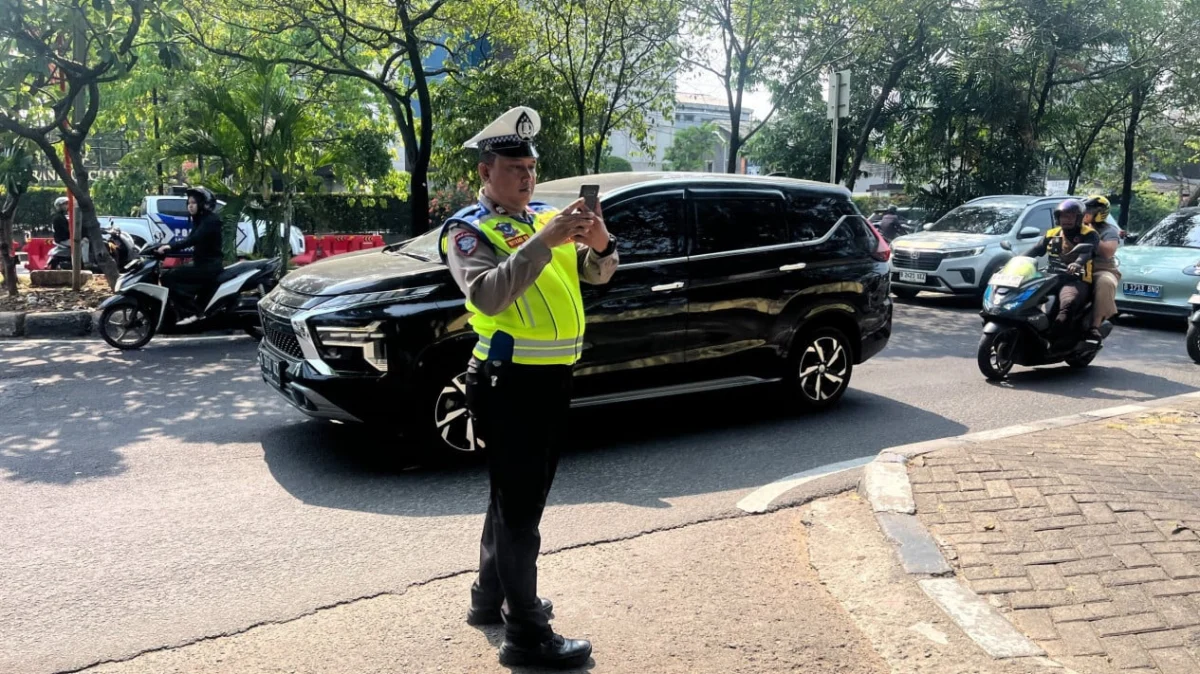
The extensive documentation of these violations was made possible through the strategic deployment of advanced Electronic Traffic Law Enforcement (ETLE) systems by the Central Jakarta Metro Police Traffic Unit. Specifically, the operation utilized both ETLE Mobile units and handheld ETLE devices. The ETLE Mobile units, capable of covering a broader area, captured approximately 100 violations, while the more targeted ETLE Handheld devices recorded an additional 113 infractions. This dual-pronged approach ensured comprehensive data collection, painting a clear picture of the prevalent violations.
The nature of these violations is particularly troubling, as many of them involve fundamental safety practices that have been widely publicized and are considered essential for preventing accidents. Among the most frequently observed offenses were:
- Failure to Wear Helmets: A significant number of motorcyclists were observed riding without helmets, a critical piece of safety equipment that dramatically reduces the risk of head injury in the event of a crash.
- Driving Against Traffic Flow: A substantial number of riders were seen deliberately going against the designated direction of traffic, creating extremely hazardous situations and increasing the likelihood of head-on collisions.
- Obscuring License Plates: Several motorcyclists were documented intentionally covering their license plates. This action is often undertaken to evade identification and subsequent ticketing by traffic enforcement systems like ETLE, indicating a deliberate attempt to circumvent the law.
- Illegal Exhaust Systems: The use of non-standard, excessively loud exhaust pipes, often referred to as "knalpot brong," was also noted. Beyond being a public nuisance due to noise pollution, these modifications can also impact vehicle performance and emissions, and are a direct violation of technical specifications.
Official Commentary and the Rationale Behind Enforcement

Aiptu Adi Setiadi, the Head of the ETLE Handheld team within the Central Jakarta Metro Police Traffic Unit, commented on the persistent nature of these violations. He stated, "The violations committed by riders in this area are still numerous, including not wearing helmets, driving against the flow of traffic, covering vehicle license plates to avoid ETLE identification, and using loud exhaust pipes." His remarks highlight that these are not isolated incidents but rather habitual behaviors that law enforcement officers frequently encounter during their patrols.
Aiptu Setiadi emphasized that these transgressions extend beyond mere administrative infractions. He articulated the broader implications, noting, "These violations not only break traffic rules but also increase the risk of accidents." This statement underscores the police department’s perspective that traffic enforcement is fundamentally a public safety initiative, aimed at safeguarding lives and preventing injuries. The use of ETLE technology, therefore, is not solely for punitive purposes but is also intended as a deterrent and an educational tool, encouraging greater discipline and adherence to traffic regulations among the populace.
Beyond Enforcement: The Role of Education and Public Awareness
In addition to the strict enforcement measures utilizing ETLE technology, the personnel of the Central Jakarta Metro Police Traffic Unit are actively engaged in educating road users. This proactive approach involves direct engagement with drivers and motorcyclists to foster a better understanding of traffic laws and the importance of safe driving practices.
During their patrols and at various points of engagement, officers are providing crucial advice and reminders to road users. These educational efforts specifically urge:
- Consistent Helmet Usage: Emphasizing the mandatory use of SNI (Standar Nasional Indonesia) certified helmets, ensuring riders are protected by safety-approved equipment.
- Adherence to Traffic Flow: Reinforcing the directive to always travel in the designated direction of traffic, thereby preventing dangerous situations.
- Visibility of License Plates: Instructing riders to ensure their license plates are clearly visible and unobstructed at all times, facilitating proper identification and accountability.
- Compliance with Vehicle Standards: Advising against the use of modified exhaust systems that do not meet technical specifications, promoting responsible vehicle ownership and minimizing noise pollution.
This dual strategy of rigorous enforcement and targeted education is designed to create a more sustainable improvement in road safety within Kemayoran and, by extension, across Jakarta. The police acknowledge that changing ingrained habits requires a multifaceted approach, combining technological solutions with direct community engagement.
Broader Implications for Urban Mobility and Public Safety
The persistent traffic violations in Kemayoran are emblematic of broader challenges faced by major urban centers like Jakarta in managing traffic flow and ensuring public safety. The sheer volume of vehicles on the road, coupled with varying levels of driver discipline, creates a complex and often dangerous environment.

The widespread use of ETLE technology represents a significant advancement in traffic law enforcement, moving towards a more data-driven and less subjective approach. However, as the Kemayoran case demonstrates, technology alone cannot solve the problem. The underlying issues of public awareness, adherence to rules, and a sense of collective responsibility need to be addressed concurrently.
The risks associated with these violations are substantial. Unhelmeted riders and those driving against traffic are disproportionately vulnerable in accidents, often suffering severe injuries or fatalities. The obstruction of license plates, while aimed at evading penalties, undermines the very principle of accountability that is crucial for a functioning traffic system. Furthermore, the prevalence of illegal modifications, such as loud exhausts, contributes to a degraded urban environment and can indicate a general disregard for regulations.
A Look at Enforcement Trends and Future Prospects
The data collected in Kemayoran is not an isolated incident but rather part of a larger trend observed across Jakarta. The Jakarta Metropolitan Police have consistently been working to enhance road safety through various initiatives, including increased patrols, public awareness campaigns, and the expansion of the ETLE network. The success of these efforts hinges on sustained public cooperation and a commitment from all road users to prioritize safety.
The context of this enforcement action also highlights the ongoing efforts to modernize traffic management in Indonesia. The integration of ETLE systems, both fixed and mobile, is a key component of this modernization, aiming to create a more efficient, transparent, and effective system of traffic law enforcement.
Looking ahead, continued investment in public education campaigns, potentially incorporating more innovative methods to reach diverse segments of the population, will be crucial. Furthermore, consistent and visible enforcement, coupled with clear communication about the rationale behind traffic laws, can help to reinforce the importance of responsible driving. The ultimate goal is to cultivate a culture where adherence to traffic rules is not merely a matter of avoiding fines but a deeply ingrained habit born out of respect for oneself, fellow road users, and the law. The situation in Kemayoran serves as a potent reminder that the journey towards safer streets is an ongoing endeavor requiring the active participation of both authorities and the public.