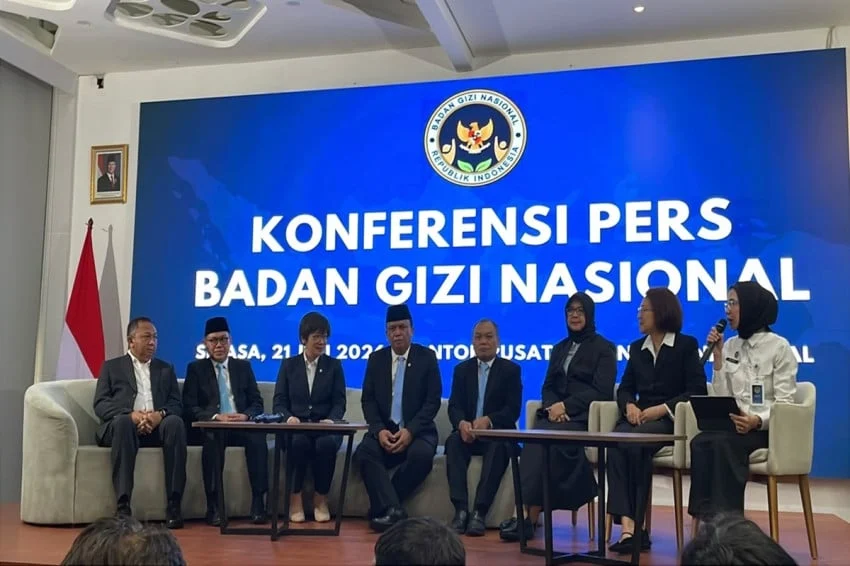
The National Nutrition Agency (BGN) has officially announced the appointment of five new high-ranking officials who will assume critical roles in the implementation and oversight of the government’s ambitious Free Nutritious Meal (MBG) program. The appointments, effective immediately, signal a significant step forward in the agency’s mandate to enhance national nutrition standards. These newly appointed leaders bring a diverse range of expertise from various government ministries and institutions, underscoring the inter-agency collaboration vital for the MBG program’s success.
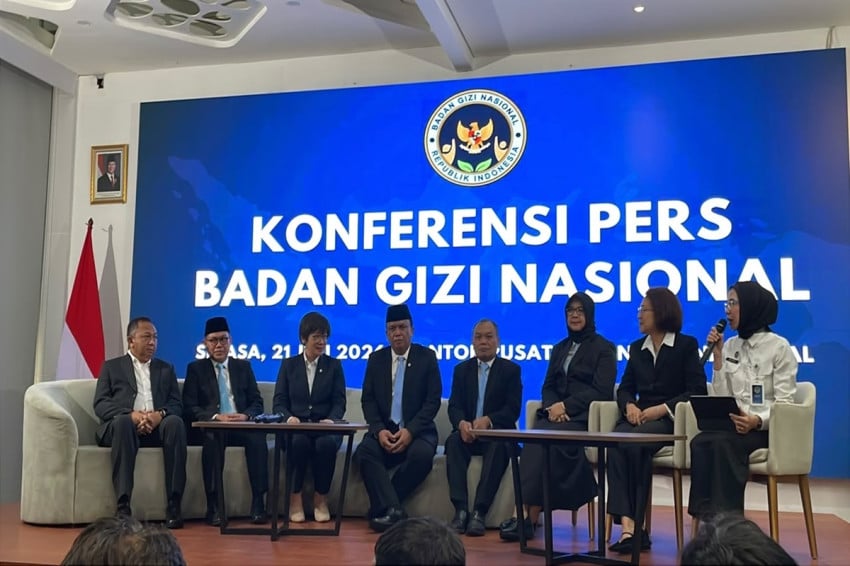
The announcement was made during a press conference held at the BGN headquarters in Jakarta Pusat on Tuesday, July 21, 2026. Agustina Harumsari, Deputy Head of the BGN, confirmed the appointments, stating, "Yesterday afternoon, we received a Presidential Decree signed by Mr. President, officially appointing these esteemed individuals to senior management positions within the BGN." This directive from President Prabowo Subianto highlights the program’s national priority and the direct presidential oversight it is under.
Among the notable appointees is Ketut Sumedana, former Head of the Legal Information Center (Kapuspenkum) of the Attorney General’s Office (Kejagung). Sumedana has been appointed as the Deputy for Monitoring and Oversight at the BGN, a role that will be crucial in ensuring the effective and transparent execution of the MBG program. His background in legal information and public communication is expected to bring a unique perspective to the oversight functions, potentially enhancing accountability and public trust.
The full roster of the five newly appointed senior officials includes:
- Lili Khamiliyah: Secretary-General (Sekretaris Utama)
- Prima Yosephine Berliana Tumiur Hutapea: Deputy for Systems and Governance
- Zainuri: Deputy for Provision and Distribution
- Mariman Darto: Deputy for Promotion and Cooperation
- Ketut Sumedana: Deputy for Monitoring and Oversight
These appointments come at a pivotal moment for the BGN and the MBG program. The program itself is designed to address critical nutritional deficiencies and food security challenges across the nation, particularly among vulnerable populations, including children and low-income families. The initiative aims to provide regular, balanced meals, contributing to improved health outcomes, enhanced cognitive development in children, and a stronger overall national health infrastructure.
Background and Context of the MBG Program
The Free Nutritious Meal (MBG) program is a flagship initiative of the current administration, reflecting a commitment to a proactive and comprehensive approach to public health and social welfare. The program’s genesis can be traced back to growing concerns over stunting rates, malnutrition, and the broader impact of inadequate nutrition on economic productivity and national development. Data from national health surveys have consistently indicated persistent challenges in these areas, necessitating a robust governmental response.
Prior to the establishment of the BGN and the launch of the MBG program, various ministries and agencies were involved in different facets of nutrition and food security. However, the fragmented approach often led to inefficiencies and a lack of cohesive strategy. The creation of the BGN as a centralized body, empowered to coordinate and implement national nutrition policies, was a direct response to these shortcomings. The MBG program, as its primary undertaking, represents the most tangible manifestation of this new policy direction.
The program’s design involves several key components: sourcing nutritious food, ensuring efficient and equitable distribution to targeted beneficiaries, promoting healthy eating habits, and rigorous monitoring of its impact. The newly appointed deputies will play instrumental roles in each of these areas, from establishing robust supply chains to fostering community engagement and ensuring accountability.
Chronology of Key Developments
The appointments are the culmination of a strategic planning and recruitment process that has been underway for several months. While specific timelines for the program’s full rollout are subject to ongoing operational planning, key milestones leading up to these appointments can be outlined:
- Early 2026: The concept of a unified national nutrition agency and a comprehensive meal program gains significant traction within government policy circles, driven by President Prabowo Subianto’s agenda for social welfare enhancement.
- Mid-2026: The National Nutrition Agency (BGN) is formally established through presidential decree, outlining its mandate, structure, and objectives. Initial leadership appointments are made, setting the stage for the recruitment of senior management.
- Late June/Early July 2026: A rigorous selection process for five key senior management positions (Sekretaris Utama and four Deputies) is initiated. Candidates are sought from across government and public service, emphasizing experience in relevant fields such as public administration, logistics, public health, and governance.
- July 20, 2026: The President signs the Presidential Decree formally appointing the five selected individuals to their respective senior roles within the BGN.
- July 21, 2026: The BGN officially introduces the newly appointed senior officials to the public and the media, marking the commencement of their duties.
This structured timeline underscores the deliberate and strategic approach taken by the government to ensure the MBG program is built on a foundation of experienced and capable leadership.
Supporting Data and the Need for the MBG Program
The imperative for the MBG program is underscored by persistent national statistics related to nutrition and health. While precise, up-to-the-minute data specific to the program’s projected impact is still being developed, the underlying national challenges are well-documented.
According to recent national health surveys (e.g., data from the Ministry of Health and the Central Statistics Agency, often cited in reports from organizations like the World Health Organization and UNICEF), Indonesia has historically faced challenges with:
- Child Malnutrition: Rates of stunting, wasting, and underweight among children under five have remained a significant public health concern. Stunting, in particular, has long-term implications for cognitive development, educational attainment, and future earning potential.
- Micronutrient Deficiencies: Widespread deficiencies in essential vitamins and minerals, such as iron, vitamin A, and iodine, affect large segments of the population, leading to weakened immune systems and increased susceptibility to diseases.
- Food Insecurity: While national food production has increased, access to nutritious and affordable food remains a challenge for many households, especially in remote areas or low-income urban communities. This can lead to reliance on less nutritious, energy-dense but nutrient-poor foods.
- Non-Communicable Diseases (NCDs): Paradoxically, alongside malnutrition, there is also a growing prevalence of NCDs like diabetes and cardiovascular diseases, often linked to poor dietary habits and obesity, which can coexist with malnutrition in a phenomenon known as the "double burden of malnutrition."
The MBG program aims to directly combat these issues by providing a consistent source of nutrient-rich food. For instance, a balanced meal provided through the program could include a source of protein (e.g., fish, chicken, legumes), complex carbohydrates (e.g., rice, potatoes), and a variety of vegetables and fruits, ensuring a broad spectrum of essential nutrients. The emphasis on "nutritious" rather than just "sufficient" food highlights the program’s focus on quality and health benefits.
Official Responses and Reactions
The appointments have been met with cautious optimism from public health advocates and civil society organizations. While many acknowledge the significance of the MBG program and the caliber of the appointed officials, they emphasize the need for transparency and community involvement in its implementation.
"The establishment of a dedicated agency and the appointment of experienced professionals are crucial first steps," commented Dr. Anya Sharma, a leading public health nutritionist unaffiliated with the government. "However, the success of such a large-scale program hinges on its effective execution at the ground level. We will be closely watching how the BGN and its new deputies ensure equitable access, high nutritional standards, and genuine community engagement."
The BGN itself has expressed its commitment to a collaborative approach. Agustina Harumsari, in her statement, highlighted the agency’s intention to work closely with local governments, community leaders, and non-governmental organizations. "Our aim is not just to deliver meals, but to foster a culture of good nutrition across the nation," she stated. "This requires partnership and a deep understanding of the diverse needs of our communities."
The involvement of Ketut Sumedana, a former senior official from the Attorney General’s Office, has also drawn attention. His appointment to the monitoring and oversight role is seen by some as a strategic move to bolster the program’s accountability mechanisms. This could signal a proactive stance against potential corruption or mismanagement, which are often concerns in large government programs.
Broader Impact and Implications
The successful implementation of the Free Nutritious Meal (MBG) program, spearheaded by the newly appointed senior officials, carries profound implications for Indonesia’s future.
1. Improved Public Health Outcomes: The most direct impact will be on the health of the nation’s citizens, particularly children. Reduced rates of stunting and malnutrition can lead to improved physical and cognitive development, setting a stronger foundation for individual well-being and educational success. This, in turn, can contribute to a healthier and more productive adult population.
2. Economic Benefits: A healthier population is a more productive workforce. By addressing malnutrition and improving overall health, the MBG program can contribute to increased economic output and reduced healthcare expenditures in the long run. Furthermore, the program’s procurement and distribution processes can stimulate local economies and create employment opportunities.
3. Enhanced Social Equity: The program’s focus on providing free nutritious meals directly addresses food insecurity and inequality. It ensures that vulnerable populations, who may otherwise lack access to adequate nutrition, receive essential sustenance, thereby promoting greater social equity and reducing disparities.
4. Strengthened Governance and Accountability: The appointment of experienced professionals, including those with backgrounds in oversight and legal frameworks, suggests a commitment to robust governance. The success of the MBG program will serve as a testament to the government’s capacity to implement complex social welfare initiatives effectively and transparently, potentially enhancing public trust in government institutions.
5. National Resilience: A well-nourished population is more resilient to health crises and other challenges. By strengthening the nutritional status of its citizens, Indonesia is investing in its long-term national resilience and capacity to adapt to various adversities.
The leadership and strategic direction provided by the five new senior officials will be critical in navigating the complexities of implementing the MBG program. Their collective expertise, combined with a commitment to transparency and community engagement, will be key determinants of the program’s ultimate success in achieving its vital national objectives. The coming months and years will be a crucial period for the BGN as it translates these appointments into tangible improvements in the nutritional well-being of the Indonesian populace.