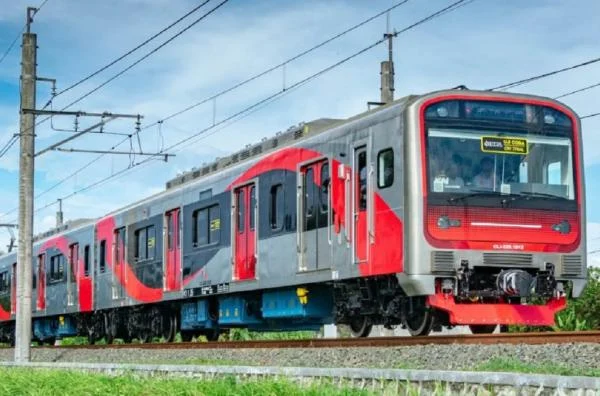
The eighth trainset of the CLI 225 Commuter Line series, manufactured by the state-owned rolling stock producer PT Industri Kereta Api (INKA), is scheduled to enter commercial service by early December 2026. This milestone marks a significant step forward in the Indonesian government’s long-term strategy to revitalize the Greater Jakarta Commuter Line fleet using domestically produced technology rather than relying on the importation of refurbished trains from abroad. As of early November 2026, the trainset is undergoing rigorous final testing phases to ensure it meets the stringent safety and reliability standards required for the high-frequency operations of the KRL network.
Rigorous Testing Protocols and Technical Enhancements
According to Bobby Rasyidin, President Director of PT Kereta Api Indonesia (KAI), the eighth CLI 225 trainset represents a refined iteration of its predecessors. While the previous seven units have been integrated into the existing network, the eighth unit incorporates critical engineering feedback gained from months of operational data. The "final test" phase, scheduled for mid-November 2026, serves as the ultimate validation point before the train is cleared for public use.
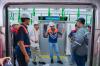
The engineering focus for this specific unit has centered on addressing operational bottlenecks identified in earlier batches. In a formal statement released on Monday, November 9, 2026, KAI officials highlighted that the primary area of improvement lies in the automated door system. The door mechanism—a component frequently cited by commuters and maintenance teams as a point of potential failure in high-density urban rail systems—has undergone a comprehensive re-engineering process. To guarantee reliability, the system was subjected to 500 consecutive test cycles, simulating the heavy-duty usage patterns characteristic of the Jakarta peak-hour commute.
This emphasis on "re-engineering" is part of a broader quality control initiative by PT INKA. By utilizing data-driven diagnostics, the manufacturer has sought to eliminate minor technical glitches that previously hampered the performance of the earlier CLI 225 series. The improvements extend beyond the doors to include software optimizations for the traction control system and enhancements to the passenger information system (PIS), ensuring a more seamless experience for millions of daily commuters.
Chronology of the Domestic Rail Initiative
The path to the deployment of the eighth CLI 225 unit is rooted in a fundamental policy shift that occurred in the mid-2020s. For years, Indonesia’s state-owned commuter operator, KCI (KAI Commuter), grappled with a significant shortage of rolling stock as aging Japanese-built trains reached their retirement age. Initially, the government explored the option of importing refurbished carriages from Japan to mitigate the immediate crisis. However, the plan faced significant logistical and regulatory scrutiny, eventually leading to the strategic decision to prioritize domestic production.
In early 2025, the Ministry of Transportation and KAI solidified a procurement plan for 23 new trainsets to be built exclusively by PT INKA. The strategy was designed to achieve several objectives: reducing the national dependency on foreign imports, fostering the growth of the domestic railway industry, and ensuring long-term maintenance sustainability through localized spare parts manufacturing.
The rollout has been methodical:
- Early 2025: Official signing of the procurement contract for 23 new CLI 225 trainsets.
- Mid-2025: Prototype testing and initial integration trials for the first units.
- Late 2025 – Early 2026: Gradual commissioning of the first seven units into the Commuter Line network.
- November 2026: Final testing phase for the eighth unit, featuring enhanced mechanical components.
- December 2026: Expected commencement of commercial operations for the eighth trainset.
Strategic Implications for the Indonesian Rail Sector
The successful deployment of the eighth CLI 225 unit is more than just an addition to the fleet; it is a proof-of-concept for Indonesia’s manufacturing capabilities. By successfully transitioning from importing used trains to manufacturing modern, high-tech rolling stock, Indonesia is signaling its intent to become a regional player in the railway manufacturing sector.
The implications for the commuting public are substantial. The Jakarta Commuter Line serves over a million passengers daily, and fleet reliability is the backbone of the city’s economic productivity. Frequent train breakdowns caused by aging infrastructure have historically led to delays, overcrowding, and increased passenger stress. By replacing older, less efficient units with the CLI 225 series, PT KAI aims to improve the "headway"—the time interval between arriving trains—thereby reducing congestion at major hubs like Manggarai and Tanah Abang.

Furthermore, the focus on the automated door system demonstrates a responsive approach to public feedback. Urban rail operators worldwide recognize that door failures are the most common cause of service disruptions. By dedicating resources to perfecting this specific component, PT INKA is demonstrating a shift toward user-centric engineering, which is essential for maintaining public trust in domestically produced transit technology.
Economic and Industrial Context
The procurement of these 23 trainsets represents a multi-trillion rupiah investment in national infrastructure. Beyond the immediate deployment, this project acts as an incubator for local high-tech manufacturing. PT INKA, based in Madiun, East Java, has been required to upgrade its production facilities, improve its supply chain integration, and adopt advanced international manufacturing standards.
Industry analysts suggest that if the CLI 225 series continues to perform reliably, PT INKA could potentially pivot toward export markets within Southeast Asia. Many neighboring nations are currently expanding their urban rail networks and seeking cost-effective, high-quality alternatives to European or Chinese rolling stock. The reliability data collected from the 23 units currently being delivered will serve as a vital "reference point" for future international tenders.
Official Responses and Future Outlook
The management of PT KAI has maintained a cautious but optimistic stance regarding the ongoing expansion. While the eighth unit is set to enter service in December, the company is already looking toward the production of the remaining 15 trainsets. According to internal briefings, the lessons learned from the "re-engineering" of the eighth unit will be applied retroactively to the fleet, as well as to future production batches.
"Our commitment is to safety and comfort," stated a spokesperson for the project. "The refinement process is iterative. We do not just build and deploy; we observe, analyze, and improve. The eighth unit is a testament to our ability to respond to the unique operational challenges of the Indonesian rail environment."
As December 2026 approaches, the transit authority is expected to conduct a final safety audit, involving independent certification bodies to verify that the upgraded systems comply with national railway safety regulations. Once the certification is granted, the train will be integrated into the existing signaling and operational network.
Conclusion
The impending operation of the eighth CLI 225 trainset in December 2026 is a milestone in the modernization of Indonesia’s rail infrastructure. By prioritizing domestic innovation and responding to technical challenges through rigorous engineering, PT KAI and PT INKA are successfully navigating the transition away from imported rolling stock. For the millions of commuters in Greater Jakarta, this development promises a more reliable, efficient, and technologically advanced transit experience. As the project progresses toward the completion of the 23-trainset contract, the success of these units will likely determine the future trajectory of Indonesia’s urban transportation strategy, setting a high bar for domestic industrial performance in the years to come.