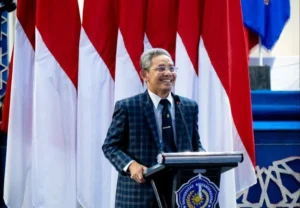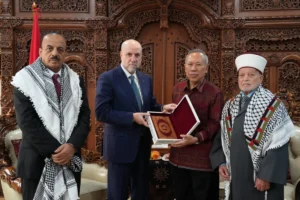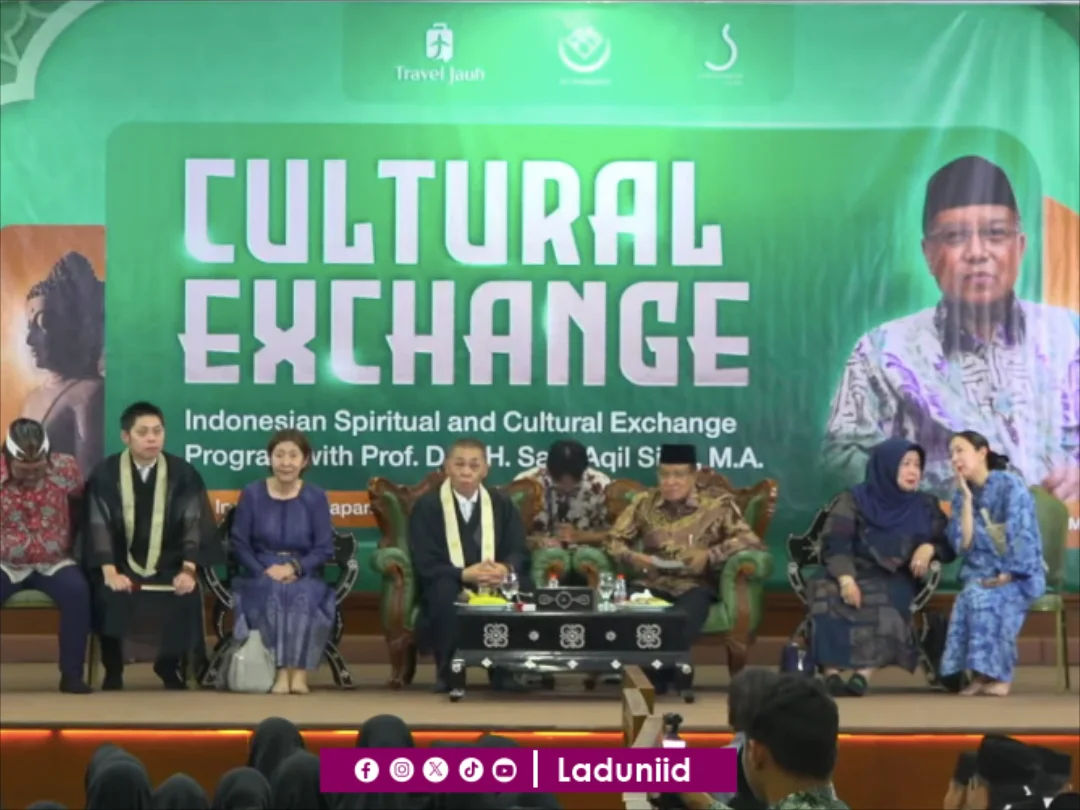
A profound atmosphere of warmth and shared purpose enveloped Pondok Pesantren Luhur Al-Tsaqafah in Jakarta on Wednesday evening, July 15, 2026, as it hosted a pivotal Cultural Exchange Program. This significant event brought together leading figures of Indonesian Islam with a distinguished delegation of Buddhist monks and representatives from Japan’s venerable Kuil Mii-dera, marking a new chapter in interfaith relations and international friendship. The dialogue, steeped in mutual respect and a commitment to peace, underscored the universal values that transcend religious boundaries.
The core of the program was an enriching interfaith dialogue between Prof. Dr. K.H. Said Aqil Siroj, M.A., the revered leader of Pondok Pesantren Luhur Al-Tsaqafah, and the delegation from Kuil Mii-dera, located in Shiga, Japan. The Japanese contingent was led by the esteemed Head Monk, Toshihiko Fuke, whose presence underscored the significance of the exchange. Facilitating this crucial connection were Tomomi Sakura Ijuin, Chairperson of the Sakuranesia Foundation, and Tovic Rustam, the foundation’s founder, both instrumental in fostering robust Indonesia-Japan relations through cultural and educational initiatives. Their efforts served as a vital bridge, enabling this high-level exchange of ideas and spiritual understanding.
In his impassioned address, affectionately referred to as Buya Said, K.H. Said Aqil Siroj unequivocally emphasized that authentic Islam champions tolerance and profound respect for diversity. He asserted with conviction that acts of radicalism and terrorism represent a severe distortion and deviation from the true teachings of Islam, which inherently promote peace, compassion, and coexistence. His message resonated deeply, setting a clear tone for constructive engagement and mutual affirmation of shared human values. This statement holds particular weight given Indonesia’s historical commitment to religious pluralism and Buya Said’s prominent role in advocating for Islam Nusantara, a moderate, tolerant, and culturally embedded form of Islam.
The Significance of Interfaith Dialogue in a Global Context
This gathering at Pondok Pesantren Luhur Al-Tsaqafah represents more than just a localized event; it is a microcosm of a broader global imperative for interfaith understanding. In an increasingly interconnected yet often fragmented world, dialogues such as this are crucial for dispelling misconceptions, fostering empathy, and building resilient bridges between diverse communities. Indonesia, as the world’s most populous Muslim-majority nation, with its constitutional principle of Pancasila upholding religious freedom and pluralism, serves as an important model for interfaith harmony. Such initiatives reinforce Indonesia’s commitment to these principles on the international stage.
Japan, with its rich tapestry of Shintoism and various Buddhist traditions, also brings a unique perspective to interfaith discussions. While traditionally not as outwardly focused on interfaith dialogue in a global sense as some other nations, the visit of the Mii-dera delegation signifies a growing recognition within Japanese religious institutions of the importance of global engagement and understanding. Kuil Mii-dera, or Onjo-ji, is one of Japan’s four largest temples, with a history spanning over 1,200 years. Its profound historical and cultural significance within Japanese Buddhism lends immense gravitas to its participation in such an international exchange, highlighting a desire to share its spiritual heritage and learn from other traditions.
Pondok Pesantren Luhur Al-Tsaqafah: A Hub for Moderate Islamic Thought
Pondok Pesantren Luhur Al-Tsaqafah, under the guidance of K.H. Said Aqil Siroj, has long been recognized as a beacon of moderate and inclusive Islamic education in Indonesia. Buya Said himself is a distinguished scholar and former Chairman of Nahdlatul Ulama (NU), Indonesia’s largest Islamic organization, known globally for its advocacy of Islam Nusantara. This concept emphasizes the contextualization of Islamic teachings within local cultures, promoting tolerance, moderation, and rejecting extremism. The pesantren’s curriculum not only delves deep into traditional Islamic sciences but also encourages critical thinking, engagement with contemporary issues, and active participation in civic life. Hosting an event of this magnitude aligns perfectly with the pesantren’s mission to cultivate future leaders who are not only religiously knowledgeable but also globally aware and committed to interfaith harmony. The dialogue provided an invaluable learning experience for the students, exposing them directly to the principles of cross-cultural and inter-religious understanding from an early stage in their academic and spiritual development.
The Cultural Exchange Program: A Deeper Dive
The "Cultural Exchange Program" component extended beyond mere verbal dialogue, aiming for a holistic immersion. While the full itinerary was not disclosed in the initial report, such programs typically involve a series of activities designed to facilitate deeper understanding. These could have included:
- Presentations on Religious Practices: Delegations likely shared insights into their respective religious philosophies, rituals, and spiritual practices. The Mii-dera monks might have offered glimpses into esoteric Buddhist practices or the significance of certain meditative traditions, while Buya Said and his students could have elaborated on Islamic devotional practices, the structure of a pesantren, or the nuances of Islam Nusantara.
- Shared Meals and Hospitality: Breaking bread together is a universal symbol of friendship and communal bonding. Shared meals, adhering to respective dietary requirements, would have provided informal settings for personal connections to flourish.
- Artistic and Cultural Showcases: The exchange might have featured performances of traditional Indonesian Islamic arts (e.g., Qasidah, Hadrah, or specific forms of recitation) alongside potential presentations of Japanese traditional arts or music, illustrating the cultural expressions of faith.
- Tours and Site Visits: The Japanese delegation would undoubtedly have been given a comprehensive tour of Pondok Pesantren Luhur Al-Tsaqafah, offering firsthand experience of its educational environment, mosque, and daily life. Conversely, future reciprocal visits to Japan could see Indonesian representatives visiting Mii-dera and other significant cultural sites.
The Sakuranesia Foundation, through its dedication to fostering robust Indonesia-Japan relations, played a pivotal role in meticulously planning and executing the logistical and diplomatic aspects of this complex exchange. Their expertise in cross-cultural communication ensured that the program ran smoothly, maximizing opportunities for genuine interaction and understanding. The foundation’s consistent efforts underscore the growing importance of non-governmental organizations in bridging international divides and promoting people-to-people diplomacy.
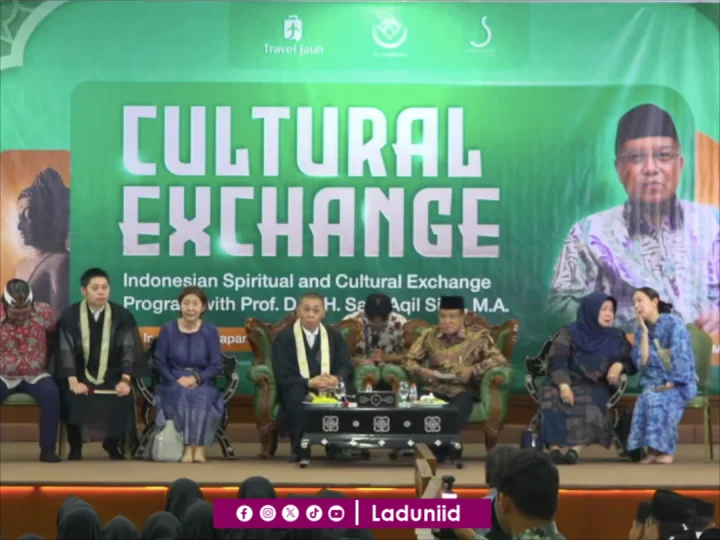
Chronology of the Evening’s Events
The evening of July 15, 2026, was meticulously planned to maximize the potential for meaningful interaction:
- Arrival and Welcome (Early Evening): The delegation from Kuil Mii-dera, accompanied by representatives from the Sakuranesia Foundation, arrived at Pondok Pesantren Luhur Al-Tsaqafah. They were met with traditional Indonesian hospitality, possibly including a formal reception by Buya Said and key pesantren staff.
- Opening Remarks and Introductions: The program likely commenced with opening speeches from representatives of the Sakuranesia Foundation, setting the context for the dialogue and expressing gratitude for the participation of both sides.
- Keynote Address by K.H. Said Aqil Siroj: Buya Said delivered his central address, articulating the Islamic principles of tolerance and condemning radicalism, laying the intellectual and spiritual groundwork for the discussions that followed. His speech would have been translated simultaneously to ensure full comprehension by the Japanese delegation.
- Response from Head Monk Toshihiko Fuke: Head Monk Fuke likely responded, offering a Buddhist perspective on peace, compassion, and the importance of interfaith harmony, perhaps drawing parallels between Buddhist ethics and the values expressed by Buya Said.
- Interfaith Dialogue Session: This constituted the main interactive segment, potentially involving moderated discussions on specific themes such as shared ethical frameworks, paths to inner peace, the role of religion in social justice, and responses to contemporary global challenges.
- Cultural Presentations/Exchanges: As part of the broader "Cultural Exchange Program," there might have been performances or demonstrations of cultural elements from both traditions.
- Closing Remarks and Exchange of Tokens: The evening concluded with expressions of gratitude, reflection on the insights gained, and perhaps the exchange of symbolic gifts to commemorate the historic occasion.
- Informal Interactions: Post-formal program, there would have been opportunities for more informal interactions between the delegates, students, and staff, further solidifying personal connections.
Key Themes and Inferred Discussions
Beyond Buya Said’s powerful condemnation of radicalism, the dialogue likely delved into several profound themes:
- Shared Values of Peace and Compassion: Both Islam and Buddhism, at their core, emphasize peace, compassion (rahmah in Islam, karuṇā/mettā in Buddhism), and ethical conduct. The discussion likely explored how these values manifest in their respective traditions and how they can serve as a foundation for global harmony.
- Spiritual Paths to Inner Tranquility: Representatives might have discussed meditative practices in Buddhism and various forms of dhikr (remembrance of God) and prayer in Islam, exploring commonalities in seeking spiritual solace and inner peace.
- The Role of Religion in Society: The dialogue could have addressed how religious institutions contribute to social welfare, justice, and community building, both in Indonesia and Japan.
- Environmental Stewardship: Many religious traditions, including Islam and Buddhism, have strong doctrines related to care for the environment. This could have been a point of convergence, discussing religious responsibilities towards nature.
- Combating Misinformation and Prejudice: The exchange would naturally serve as an antidote to stereotypes and prejudices, allowing participants to experience the richness and diversity of each other’s faith directly.
Statements and Reactions
While specific quotes from the Japanese delegation were not provided in the initial snippet, it is highly probable that Head Monk Toshihiko Fuke conveyed his profound appreciation for the warm hospitality and the opportunity for such a meaningful dialogue. He would likely have underscored the importance of mutual understanding in an increasingly globalized world and expressed hope for continued collaboration.
Tomomi Sakura Ijuin and Tovic Rustam of the Sakuranesia Foundation would undoubtedly have voiced their satisfaction with the success of the program, reiterating their commitment to fostering deeper ties between Indonesia and Japan through cultural and educational bridges. They might have highlighted the program as a model for future initiatives, envisioning more frequent and diverse exchanges.
Attendees, including students of Pondok Pesantren Luhur Al-Tsaqafah, would have expressed their awe and inspiration from witnessing such a high-level interfaith exchange. For many, it would be a tangible demonstration of their pesantren’s commitment to moderate Islam and global citizenship. The event would have served as a powerful educational moment, reinforcing lessons about tolerance and respect for other faiths.
Broader Impact and Implications
The interfaith dialogue between Pondok Pesantren Luhur Al-Tsaqafah and Kuil Mii-dera carries significant implications on multiple levels:
- Strengthening Bilateral Relations: Beyond governmental and economic ties, people-to-people exchanges, especially those involving religious and cultural leaders, are vital for building deep, resilient bonds between nations. This event adds a crucial spiritual and cultural dimension to Indonesia-Japan relations.
- Promoting Global Peace and Understanding: By demonstrating how diverse religious traditions can engage constructively and respectfully, the dialogue serves as an inspiring example for other regions grappling with religious tensions. It contributes to a global narrative of peace over conflict.
- Countering Extremism and Intolerance: Buya Said’s strong message against radicalism, delivered in an interfaith setting, is a powerful statement. Such dialogues practically demonstrate that true faith fosters understanding, not division, thereby undermining the narratives of extremist groups.
- Educational Enrichment: For the students and wider community associated with Al-Tsaqafah, the event provides invaluable exposure to global perspectives and reinforces the importance of interfaith literacy. It equips them to become advocates for peace and understanding in their own communities and beyond.
- Setting a Precedent for Future Collaborations: The success of this inaugural event could pave the way for future reciprocal visits, academic exchanges, joint research projects on interfaith issues, and even collaborative humanitarian initiatives between Islamic and Buddhist organizations. This could foster a sustained partnership that extends far beyond a single evening’s dialogue.
- Shaping Perceptions: Such a high-profile event can help reshape international perceptions of Islam, particularly in non-Muslim majority countries, by showcasing its moderate, tolerant, and intellectually vibrant aspects as championed by leaders like Buya Said. Similarly, it offers Indonesian audiences a nuanced understanding of Japanese Buddhism.
In conclusion, the Cultural Exchange Program and interfaith dialogue at Pondok Pesantren Luhur Al-Tsaqafah on July 15, 2026, was a landmark event. It not only fostered profound understanding between Indonesian Islam and Japanese Buddhism but also reaffirmed the universal values of peace, compassion, and respect that are essential for navigating the complexities of the 21st century. Through the visionary leadership of K.H. Said Aqil Siroj and the collaborative spirit of Kuil Mii-dera and the Sakuranesia Foundation, this dialogue has laid a robust foundation for enduring friendship and continued efforts towards global harmony.