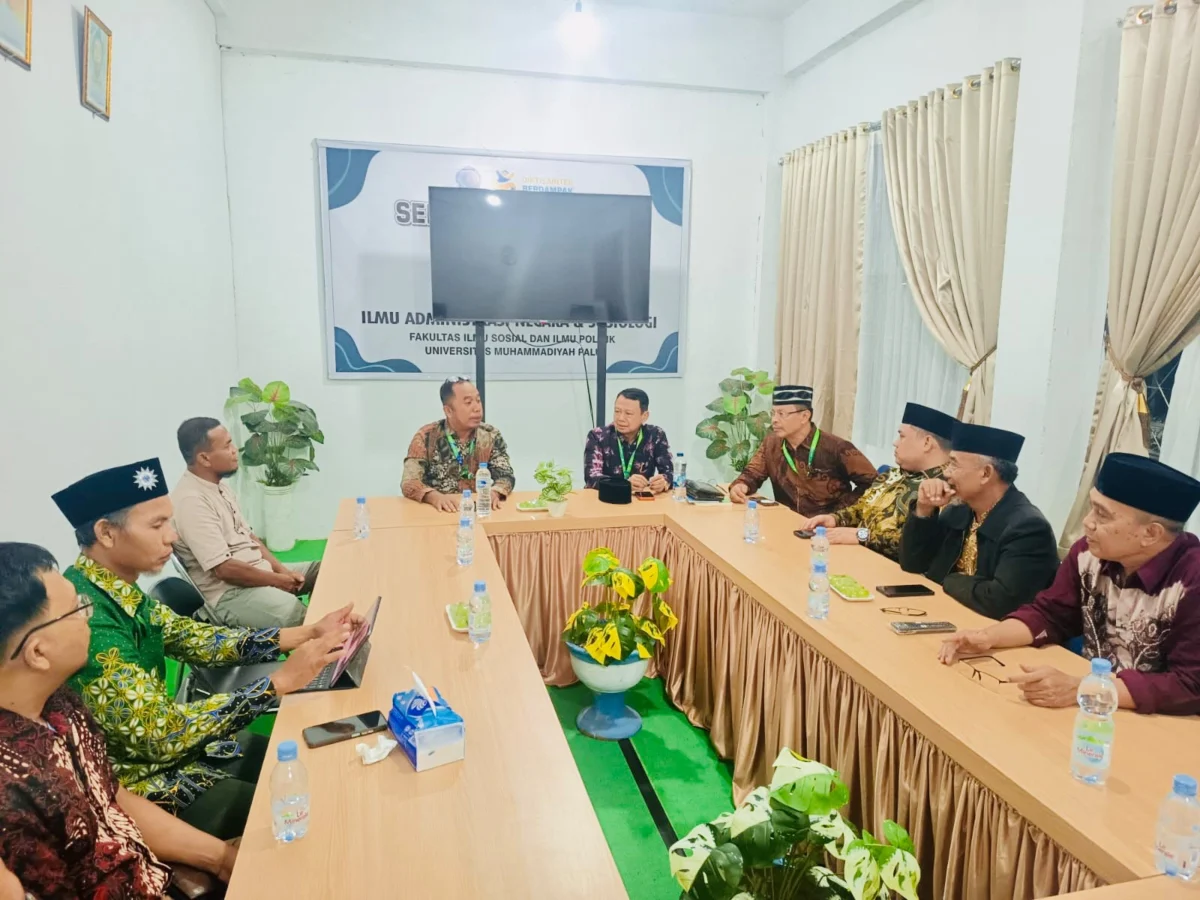
The Lembaga Dakwah Komunitas (LDK) of the Central Leadership (PP) of Muhammadiyah has officially intensified its strategic push to expand grassroots Islamic outreach into remote and underserved regions across Indonesia. This commitment took center stage during a high-level Coordination Meeting (Rakor) held at the campus of Universitas Muhammadiyah in Palu, Central Sulawesi. The strategic assembly convened key leaders from the central LDK board alongside the regional board of LDK Pimpinan Wilayah Muhammadiyah (PWM) Central Sulawesi, marking a decisive step forward in the organization’s long-term mission to decentralize and modernize its community-focused religious programming.
Against the backdrop of shifting demographic landscapes and the unique socioeconomic challenges facing Indonesia’s outer islands, the Palu meeting served as a vital nexus for planning, resource allocation, and strategic alignment. As Muhammadiyah approaches its forthcoming national congress—the Muktamar—scheduled for roughly one year from the event, the leadership has placed an urgent emphasis on translating high-level policy resolutions into tangible, localized impacts. The gathering specifically targeted three critical pillars of community engagement: deploying qualified Islamic preachers (dai) to deep interior zones, establishing comprehensive support systems for new converts (mualaf), and delivering targeted interventions for historically marginalized populations.
The Chronology and Strategic Imperative of the Palu Coordination Meeting
The joint coordination session convened on Friday, November 13, 2026, bringing together executive administrators from the central LDK office in Jakarta and regional commissioners from across Central Sulawesi. The agenda was meticulously structured to address the operational bottlenecks that frequently hinder religious and humanitarian outreach in geographically isolated terrains.
In recent years, PP Muhammadiyah has prioritized a structural shift away from traditional, urban-centric pulpit preaching toward a more dynamic, needs-based community ministry model. The Central Sulawesi meeting represents a continuation of this nationwide tour, following similar strategic alignments in Sumatra, Kalimantan, and eastern Indonesia. During the morning plenary sessions, delegates reviewed regional progress reports, mapping out the specific socioeconomic and geographic vulnerabilities of Central Sulawesi’s interior districts, such as Sigi, Poso, and the remote coastal communities bordering the Tomini Gulf.
By midday, the discussions transitioned into focused commission meetings addressing logistical frameworks for missionary deployment. Transporting religious scholars and community developers to remote indigenous settlements requires robust supply chains, long-term funding, and close coordination with local governance structures. The timeline established during the Rakor dictates an immediate rollout of exploratory missions, followed by permanent missionary postings slated to begin within the first quarter of the following fiscal year.
Prioritizing the Muhammadiyah Mualaf Learning Center (MLC)
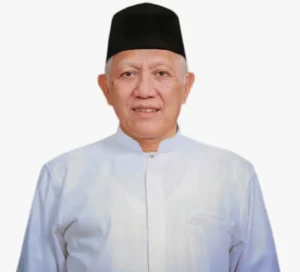
A central focal point of the discussions was the imperative establishment and institutional scaling of the Muhammadiyah Mualaf Learning Center (MLC) throughout Central Sulawesi. Addressing the regional leadership, LDK PP Muhammadiyah Chairman Muchamad Arifin underscored that the MLC framework must transcend the traditional confines of basic religious instruction. Instead, the center is designed to function as an integrated hub for lifelong pastoral care, legal advocacy, socioeconomic empowerment, and educational support for new Muslims.
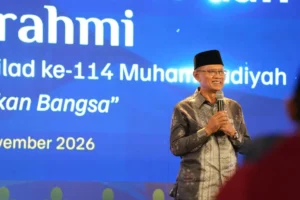
"The MLC program, which has long stood as a primary priority for LDK PP Muhammadiyah, must establish a firm footing here in Central Sulawesi," Arifin stated before the assembly of regional leaders. "We maintain a clear vision: our outreach must not conclude simply with the administration of the creed or basic theological instruction. True community da’wah requires comprehensive accompaniment and structural empowerment to uplift the daily realities of vulnerable populations."
The conceptual architecture of the MLC is built upon lessons learned from decades of Islamic social work in Indonesia. New converts, particularly those residing in remote tribal enclaves or economically depressed peri-urban zones, frequently encounter profound social friction, familial alienation, and structural poverty. By integrating spiritual guidance with vocational training, micro-finance access, and primary healthcare advocacy, the MLC model seeks to ensure that individuals transitioning into the Islamic faith receive holistic support that safeguards their dignity and long-term economic stability.
Regional Leadership Response and Implementation Strategy
Responding directly to the mandate issued by the central board, Dr. Moh. Dasril, M.AP., Chairman of LDK PWM Central Sulawesi, expressed full institutional alignment with the national directive. He emphasized that the one-year runway leading up to the upcoming Muktamar Muhammadiyah serves as an essential catalyst for accelerating regional programs that may have previously faced implementation delays.
"This compressed timeline leading to the national congress acts as a vital momentum builder for us," Dr. Dasril remarked during the afternoon session. "The regional board of LDK PWM Central Sulawesi stands fully prepared to maximize our efforts in mualaf cultivation, marginal community support, and the expansion of structured da’wah into the most isolated hinterlands that require our immediate and sustained attention."
Dr. Dasril outlined a series of localized execution steps, noting that regional committees would immediately begin auditing existing community outposts and vetting prospective da’wah candidates. These candidates undergo rigorous preparation, including cross-cultural competency training, basic medical response preparation, and community organizing methodologies, ensuring they can operate effectively within culturally diverse and sometimes skeptical indigenous environments.
Broader Socioeconomic Implications and Analytical Context
The intensification of LDK Muhammadiyah’s grassroots strategy carries significant implications for the broader landscape of religious pluralism and social welfare in Indonesia. Analysts of contemporary Indonesian Islam note that formal religious organizations are increasingly recognizing the limits of purely theological outreach in the face of systemic poverty, geographic isolation, and the aggressive proselytization efforts of external groups.
By embedding social service delivery into the heart of its da’wah model, Muhammadiyah continues to institutionalize its historic theology of the Al-Ma’un—a foundational prophetic mandate emphasizing the direct material support of orphans, the destitute, and the marginalized. In regions like Central Sulawesi, which features a complex mosaic of ethnic groups, religious demographics, and post-conflict healing processes, community-based da’wah serves a dual purpose: it deepens Islamic literacy while simultaneously acting as a bridge for social cohesion and interfaith stability.
Furthermore, the focus on interior zones addresses a persistent structural inequality in religious service provision. Historically, theological infrastructure—ranging from well-funded mosques to formal educational institutions—has clustered heavily in provincial capitals and major commercial centers. By deliberately redirecting human capital and financial resources toward the periphery, LDK Muhammadiyah is actively working to correct this imbalance.
Path Forward Toward the National Congress
As the coordination meeting concluded, participants signed a series of joint resolutions designed to monitor and evaluate the deployment of resources over the coming twelve months. The leadership expressed confidence that the synergy between the central apparatus and regional boards will yield measurable progress well before delegates gather for the national congress.
Ultimately, the LDK PP Muhammadiyah initiative in Palu illustrates a deliberate evolution in modern Indonesian Islamic philanthropy and outreach. By coupling rigorous administrative planning with a deep commitment to grassroots empowerment, the organization aims to project Islam not merely as a set of ritual obligations, but as an active, living force for human liberation, societal enlightenment, and collective joy across the Indonesian archipelago.