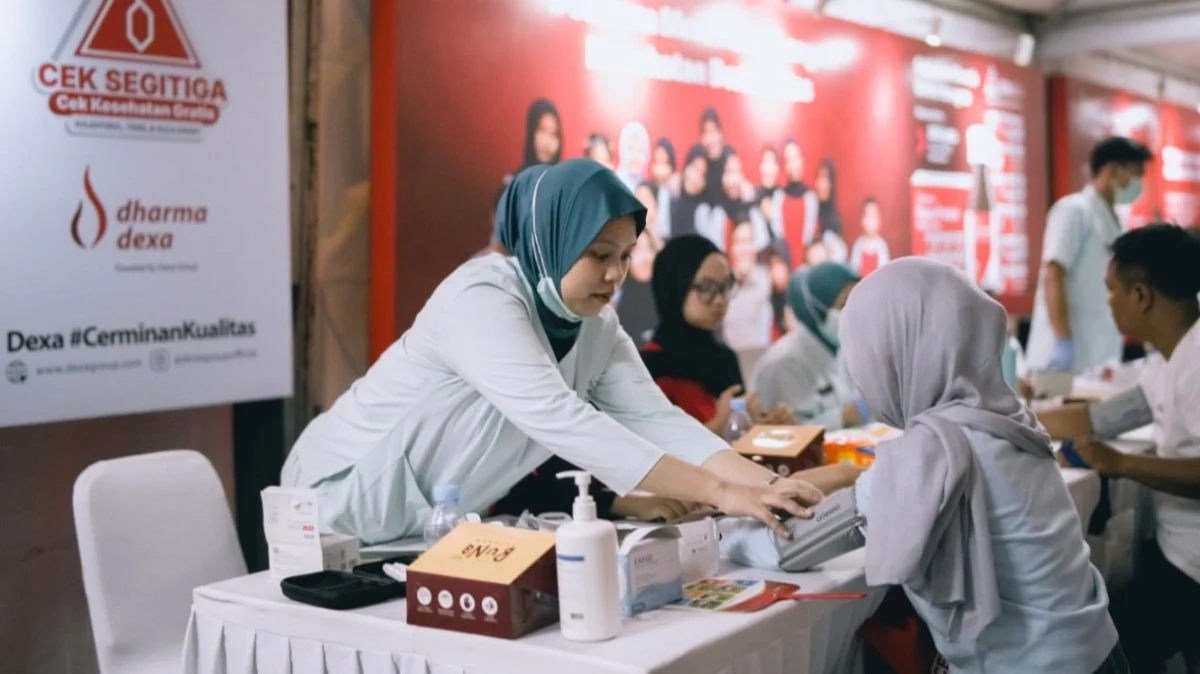
Jakarta, VIVA – Dexa Group, through its corporate social responsibility arm Dharma Dexa and its pharmaceutical subsidiary Dexa Medica, has announced a significant milestone in its "Cek Kesehatan Segitiga Gratis" (Free Triangle Health Check) program. Since its inception in 2024, the initiative has provided vital health screenings to more than 16,500 individuals across 22 locations throughout Indonesia, marking a substantial contribution to the nation’s public health efforts, particularly in the realm of promotif and preventif healthcare. The program, which offers comprehensive checks for blood pressure, blood sugar, and cholesterol, extends beyond mere screening by integrating crucial health education, one-on-one doctor consultations, and communal physical activities, aligning seamlessly with the Indonesian government’s strategic focus on strengthening primary healthcare and early disease detection.
The "Cek Kesehatan Segitiga Gratis" program stands as a tangible manifestation of Dexa Group’s unwavering commitment to its Environmental, Social, and Governance (ESG) principles. Anton Harjanto, Corporate Supply Chain & Sustainability Director of Dexa Group, underscored this commitment, stating, "The Free Triangle Health Check is a direct implementation of Dexa Group’s ESG commitments, specifically in enhancing public access to preventive healthcare services. As a health company, we are dedicated not only to providing quality medicines that support the Jaminan Kesehatan Nasional (JKN) program and BPJS Kesehatan but also to building a healthier society through education and early detection of non-communicable diseases." This dual approach highlights the company’s holistic vision for public health, recognizing that access to medication must be complemented by proactive measures to prevent illness.
Indonesia’s Growing Burden of Non-Communicable Diseases and the Shift Towards Prevention
Indonesia, like many developing nations, faces a burgeoning public health challenge posed by Non-Communicable Diseases (NCDs). Conditions such as hypertension (high blood pressure), diabetes mellitus (high blood sugar), and hypercholesterolemia (high cholesterol) are increasingly prevalent, placing immense strain on the national healthcare system and significantly impacting the quality of life for millions. According to data from the Ministry of Health and various national health surveys (such as Riskesdas), NCDs are responsible for a substantial proportion of morbidity and mortality in the archipelago. For instance, national statistics often reveal that a significant percentage of adults suffer from hypertension, a large number are living with undiagnosed diabetes, and high cholesterol levels are widespread, often without immediate, noticeable symptoms. These three conditions, frequently referred to as the "silent killers," are interconnected risk factors for more severe cardiovascular diseases, strokes, kidney failure, and other chronic ailments, making early detection and intervention critically important.
Recognizing this escalating crisis, the Indonesian government has embarked on a transformative journey within its healthcare sector. Historically, healthcare systems often focused predominantly on curative treatments – addressing illnesses once they have manifested. However, there has been a paradigm shift towards a more balanced approach that emphasizes promotif (health promotion) and preventif (disease prevention) strategies. This strategic pivot aims to reduce the incidence of disease, minimize the progression of chronic conditions, and ultimately lower the overall burden on hospitals and specialist care, thereby making healthcare more sustainable and effective in the long run. The Jaminan Kesehatan Nasional (JKN) program, managed by BPJS Kesehatan, is the cornerstone of Indonesia’s universal health coverage, and while it primarily facilitates access to medical treatment, its long-term viability hinges on a healthier populace requiring fewer complex interventions. Initiatives like Dexa Group’s "Cek Kesehatan Segitiga Gratis" directly support this national agenda by bringing preventive services closer to communities and fostering a culture of health awareness and proactive self-care.
Program Design: A Holistic Approach to Community Health
The "Cek Kesehatan Segitiga Gratis" program, which commenced in 2024, was meticulously designed to offer more than just a fleeting health check. It embodies a comprehensive, multi-faceted approach to empower individuals with knowledge and tools for healthier living. The program’s core components include:
- Blood Pressure Screening: Early detection of hypertension is crucial, as it often presents without symptoms but can lead to severe cardiovascular complications if left unmanaged.
- Blood Sugar Screening: Identifying elevated blood glucose levels is vital for early diagnosis and management of diabetes, preventing long-term damage to organs.
- Cholesterol Screening: High cholesterol is another silent risk factor for heart disease and stroke. Timely detection allows for lifestyle modifications or medical interventions.
What sets this program apart, and what Dr. Karinnia of RS Bhakti Mulia highlighted, is its integrated follow-up. Unlike typical mass screenings that often conclude with participants receiving a slip of paper with their results, the "Cek Kesehatan Segitiga Gratis" ensures that every participant receives:
- Detailed Explanation: Trained medical personnel provide clear, understandable explanations of their individual health readings.
- Doctor Consultations: Participants have the invaluable opportunity to consult directly with a qualified doctor. This personalized interaction allows for immediate assessment, answering questions, and discussing potential next steps or referrals.
- Health Education: Targeted educational sessions are conducted, focusing on the prevention of NCDs. These sessions cover topics such as balanced nutrition, the dangers of smoking and excessive sugar intake, and the importance of regular physical activity.
- Communal Physical Activities: To translate knowledge into action, the program often incorporates group exercise sessions, encouraging participants to adopt active lifestyles. This hands-on approach aims to foster behavioral change that extends beyond the event itself.
This holistic methodology is crucial for driving sustainable health improvements. As Dr. Karinnia emphasized, "The fact that high cholesterol often presents without symptoms means many people feel healthy when they already carry risk factors. Therefore, regular checks for blood pressure, blood sugar, and cholesterol are incredibly important as an early detection step before complications arise. Programs like the ‘Cek Kesehatan Segitiga Gratis’ are also excellent for raising public awareness to get their health checked more routinely." The program’s design, therefore, is not just about identifying risk but about empowering individuals to understand, manage, and ultimately mitigate those risks through informed choices and consistent healthy habits.
The Latest Event: Gelora Bung Karno and Startling Findings
The most recent iteration of the "Cek Kesehatan Segitiga Gratis" program took place on Sunday, July 19, 2026, at the iconic Gelora Bung Karno (GBK) complex in Jakarta. This high-profile location, known for its vast open spaces and as a hub for recreational activities, proved to be an ideal venue, attracting a substantial turnout of 1,486 participants. The choice of GBK also strategically placed the program within an environment where active lifestyles are already promoted, potentially reaching individuals who are health-conscious but might still harbor underlying, undiagnosed conditions.
The results from the GBK screening were particularly illuminating and underscore the pressing need for such preventive initiatives. Approximately 52 percent of the 1,486 participants were found to have at least one risk factor for Non-Communicable Diseases. A more granular breakdown revealed concerning figures:
- High Cholesterol: 32.2 percent of participants were identified with elevated cholesterol levels.
- High Blood Pressure: 24.4 percent experienced high blood pressure.
- High Blood Sugar: 6.3 percent showed elevated blood sugar levels.
These statistics from a single event highlight the pervasive nature of NCD risk factors within the general population, even among those who might appear active or healthy. The finding that over half of the participants had at least one risk factor serves as a stark reminder of the "silent" progression of these diseases and reinforces Dr. Karinnia’s earlier point about the critical importance of regular, proactive health screenings. Without such programs, many of these individuals would likely remain unaware of their precarious health status until symptoms manifest, often at a more advanced and harder-to-treat stage.
Broader Impact and Future Implications
The cumulative impact of the "Cek Kesehatan Segitiga Gratis" program, reaching over 16,500 people across 22 locations, extends far beyond individual health benefits. On a broader societal level, it contributes significantly to:
- Reducing the NCD Burden: By identifying risk factors early and promoting lifestyle changes, the program helps to prevent the onset or progression of NCDs, ultimately reducing the prevalence of these debilitating conditions in the long term.
- Strengthening Primary Healthcare: The initiative acts as a vital complement to government efforts in primary healthcare, extending access to basic screenings and health education in community settings. This decentralization of preventive services helps alleviate pressure on more complex and costly secondary and tertiary care facilities.
- Enhancing Health Literacy: Through doctor consultations and educational sessions, participants gain a deeper understanding of their own health, the importance of preventive measures, and how to make informed lifestyle choices. This increase in health literacy is fundamental to building a healthier, more resilient population.
- Setting a Benchmark for Corporate Responsibility: Dexa Group’s sustained commitment to this program sets a commendable example for other corporations, particularly within the pharmaceutical and healthcare sectors. It demonstrates how private entities can actively contribute to public health initiatives, moving beyond mere product provision to become integral partners in community well-being. This proactive stance reinforces the ‘Social’ aspect of the company’s ESG framework.
- Supporting National Health Goals: By directly aligning with the government’s shift towards promotif and preventif healthcare, Dexa Group’s program actively supports the long-term sustainability and effectiveness of the JKN program and BPJS Kesehatan. A healthier population means lower healthcare costs and a more productive workforce for the nation.
Looking ahead, the success and scale of the "Cek Kesehatan Segitiga Gratis" program suggest avenues for further development. The data collected from these screenings, while used for individual counseling, also holds potential for broader public health insights. Aggregated and anonymized data could inform targeted public health campaigns, identify high-risk communities, and help shape future preventive strategies. Furthermore, the integration of digital health tools, such as mobile applications for tracking health metrics or providing ongoing health tips, could extend the program’s reach and impact, fostering sustained engagement beyond the physical event.
Dexa Group’s ongoing commitment, as articulated by Anton Harjanto, to both providing quality medicines and actively promoting health through initiatives like the "Cek Kesehatan Segitiga Gratis," solidifies its role as a key player in Indonesia’s journey towards a healthier future. The program’s continued expansion and its comprehensive approach to health screening, education, and lifestyle encouragement are vital steps in combating the silent epidemic of NCDs and empowering Indonesian communities to take charge of their well-being.