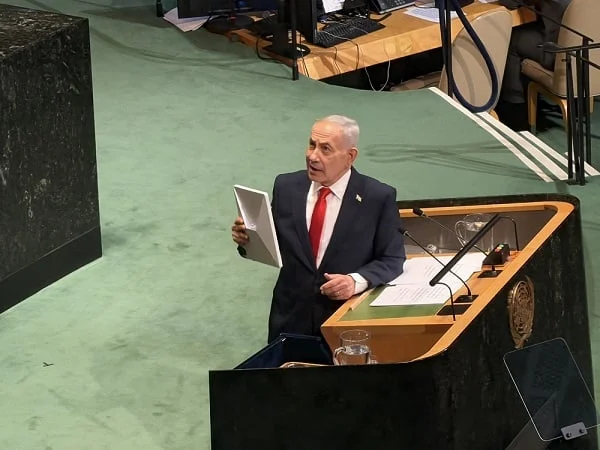
The United Arab Emirates (UAE) officially confirmed that Prime Minister Benjamin Netanyahu held high-level discussions with President Sheikh Mohammed bin Zayed Al Nahyan (MBZ) in Abu Dhabi late last week. This diplomatic engagement, which took place against a backdrop of escalating regional instability and sensitive geopolitical maneuvering, marks a significant moment in the normalization trajectory between the two nations. The confirmation, issued via the official Emirates News Agency (WAM) on Monday, followed intense media speculation in Israel regarding the nature and timing of the Prime Minister’s visit.
The meeting between the two leaders occurs at a critical juncture for both the Middle East and the domestic political landscape of Israel. While the UAE and Israel have maintained a steady pace of cooperation since the signing of the Abraham Accords in 2020, this specific dialogue has drawn increased attention due to reports alleging prior intelligence exchanges regarding the security threat posed by Hamas.
Chronology and Context of the Diplomatic Engagement
The diplomatic visit occurred under conditions of heightened secrecy, characteristic of the delicate nature of Israel-UAE relations during the ongoing war in Gaza. According to diplomatic sources, the meeting was aimed at reviewing the bilateral framework established under the Abraham Accords and exploring mechanisms to insulate the partnership from the severe repercussions of the current regional conflict.
The timing is particularly notable as it coincides with the one-year anniversary period of the October 7, 2023, attacks. Reports from various outlets, including Haaretz, have highlighted a critical piece of intelligence history: approximately ten days before the October 7 incursion, President Sheikh Mohammed bin Zayed reportedly engaged in a telephonic conversation with Prime Minister Netanyahu. During this exchange, the Emirati leader allegedly cautioned the Israeli Prime Minister regarding intelligence suggesting that Yahya Sinwar, the late leader of Hamas, was preparing a "major surprise" against Israel.
The reported warning, which was purportedly shared with Israel’s domestic intelligence agency, Shin Bet, highlights the complex intelligence-sharing network that exists between Israel and its Arab normalization partners. However, the apparent failure of Israeli security apparatuses to preemptively act on such high-level warnings has become a focal point of intense political debate within Israel, contributing to the pressure facing the current administration.
The Evolution of the Abraham Accords
To understand the current state of UAE-Israel relations, one must look back to the 2020 normalization agreement. The Abraham Accords were designed to create a regional coalition based on mutual economic interests, technological cooperation, and a shared concern regarding regional threats, primarily those originating from Iran and its proxies.
Since 2020, the trade volume between the two countries has surged, reaching billions of dollars in sectors ranging from renewable energy and agriculture to cybersecurity and tourism. The UAE has consistently sought to maintain these ties even as the humanitarian crisis in Gaza intensified, testing the resolve of the normalization agreement. For Abu Dhabi, the relationship with Israel is not merely transactional but part of a long-term strategic vision for a modernizing, interconnected Middle East.
However, the war in Gaza has introduced severe friction. With the death toll in the Palestinian enclave surpassing 73,000, according to local health authorities, the UAE—along with other Arab nations—has faced immense domestic and regional pressure to distance itself from Israel. The recent visit by Netanyahu signifies a deliberate effort by both parties to signal that their strategic partnership remains intact despite the volatility on the ground.
Data and Humanitarian Impact
The broader context of this meeting is defined by the devastating human cost of the conflict. Since the October 7 attacks, which resulted in the deaths of approximately 1,195 people in Israel and the taking of 250 hostages, the scale of military operations has been unprecedented. The subsequent war has left large swaths of Gaza in ruins.
International organizations have repeatedly called for a ceasefire, citing the humanitarian catastrophe, food insecurity, and the breakdown of medical infrastructure. While the UAE has been a leading provider of humanitarian aid to Gaza, including the establishment of field hospitals and the delivery of thousands of tons of supplies via air and sea corridors, its diplomatic communication with the Israeli leadership remains a point of contention for some regional actors who advocate for a complete diplomatic freeze.
Official Responses and Diplomatic Messaging
The Emirates News Agency (WAM) maintained a measured tone in its reporting, stating, "In the meeting, the two sides discussed bilateral relations between the UAE and Israel and ways to strengthen and develop them." This statement serves to reassure both the domestic Emirati public and international observers that the UAE remains committed to its long-term policy of engagement.
From the Israeli perspective, the visit serves to bolster the Prime Minister’s standing by demonstrating that Israel is not diplomatically isolated in the Middle East. Despite the widespread condemnation of the war in the United Nations and other international forums, the Israeli government continues to prioritize its relationship with the UAE as a cornerstone of its regional security architecture.
Observers note that while the UAE has been vocal in its criticism of Israel’s military conduct in Gaza, it has simultaneously avoided taking steps that would dismantle the Abraham Accords. This "pragmatic approach" reflects the UAE’s desire to remain a bridge-builder in the region, capable of maintaining security ties with Israel while continuing to advocate for a two-state solution and the eventual reconstruction of Gaza.
Implications for Regional Stability
The meeting between Netanyahu and MBZ carries several implications for the near future:
- Intelligence and Security Cooperation: The validation of reports regarding early warnings suggests that the security dialogue between Israel and the UAE is deep-seated. Moving forward, the effectiveness of this intelligence sharing will be under intense scrutiny as both nations assess the threat landscape posed by non-state actors and regional powers.
- Resilience of Normalization: The fact that the meeting took place at all indicates that the Abraham Accords are more resilient than many analysts initially predicted. The UAE’s willingness to host the Israeli Prime Minister despite the intensity of the war demonstrates a significant level of strategic commitment.
- The Gaza Post-War Architecture: The discussions likely touched upon the "day after" in Gaza. The UAE has positioned itself as a potential partner in the reconstruction of the territory, provided there is a credible path toward a Palestinian state. Netanyahu’s engagement with the UAE leadership may be seen as an effort to secure Emirati participation in a post-conflict governance framework for Gaza, though such an arrangement faces massive political hurdles.
- Domestic Israeli Politics: For Netanyahu, this visit serves as a temporary diversion from the intense domestic criticism regarding the handling of the war and the failure to secure the release of all remaining hostages. By emphasizing his role as a statesman maintaining vital regional alliances, the Prime Minister seeks to reinforce his security credentials.
Fact-Based Analysis
The current state of UAE-Israel relations is a study in geopolitical pragmatism. The UAE is navigating a difficult path, balancing its role as a leader in the Arab world—where public sentiment is heavily aligned with the Palestinian cause—with its strategic interest in a stable, technologically advanced partnership with Israel.
The report that the UAE warned Israel of a "major surprise" from Hamas underscores a vital reality: the regional security architecture is highly interconnected. When one part of that architecture fails, as it did on October 7, the ripple effects are felt throughout the entire Middle East. The visit to Abu Dhabi suggests that both nations are looking to recalibrate their cooperation to prevent future intelligence failures and to align their strategies against shared regional adversaries.
However, the longevity of this partnership will remain contingent on the trajectory of the war. Should the conflict expand further or should the humanitarian situation in Gaza continue to deteriorate without a clear political horizon, the political cost for the UAE will inevitably rise.
In conclusion, the confirmation of the Netanyahu-MBZ meeting is a clear signal that both nations are prioritizing their strategic, economic, and security interests over the immediate pressures of the current conflict. As the Middle East remains in a state of high tension, the role of the UAE as a sophisticated diplomatic player will be central to how the region navigates the post-war reality. The ongoing dialogue between these two powers is not merely a diplomatic routine; it is a critical component of the broader effort to manage, and eventually resolve, the conflicts that continue to shape the regional order. Future developments will likely depend on whether this high-level engagement can translate into concrete policies that address both the security concerns of Israel and the humanitarian and political aspirations of the Palestinian people.