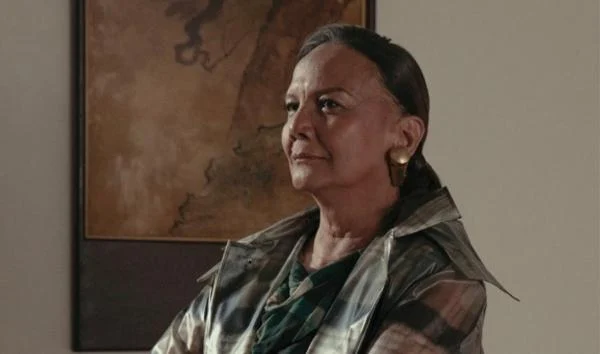
The Indonesian entertainment and cultural landscape was plunged into mourning following the sudden passing of Mohammad Guruh Irianto Soekarnoputra, better known as Guruh Soekarnoputra. The news of the death of the legendary choreographer, songwriter, and cultural icon, who served as a pillar of the nation’s artistic heritage, triggered an immediate outpouring of grief from colleagues, public figures, and the wider Indonesian community. Among those most affected by the loss is veteran actress and cultural ambassador Christine Hakim, who shared her profound disbelief upon receiving the news while returning from a filming project in Pangandaran.
The emotional weight of the loss was palpable at the residence of the late maestro on Jalan Sriwijaya, Kebayoran Baru, Jakarta Selatan. As mourners gathered to pay their final respects, the sense of shock resonated among those who had worked closely with the man who had dedicated his life to preserving and modernizing Indonesian dance and music.
A Sudden Departure and the Reaction of Peers
The news of Guruh Soekarnoputra’s passing caught many by surprise, including those within his intimate circle. Christine Hakim, a close associate and longtime friend, learned of the situation while traveling back to the capital. During a somber moment at the funeral home, actress Asri Welas facilitated a brief phone conversation with Christine, who was still en route.
"I am currently on my way back from Pangandaran, where I have been shooting for a project," Christine stated, her voice thick with emotion. "I made the decision to rush back immediately upon hearing that Mas Guruh was in a critical condition."
For Christine, the shock stemmed from the lack of prior knowledge regarding any severe health complications. In the Indonesian arts community, Guruh was often viewed as a constant force of creative energy. The sudden transition from a man actively engaged in artistic discourse to one who has passed away has left his peers grappling with the reality of his absence. Christine recalled that only a month prior, she and Asri Welas had engaged in a video call with Guruh, during which they discussed potential future collaborations and the possibility of staging a new theatrical production.
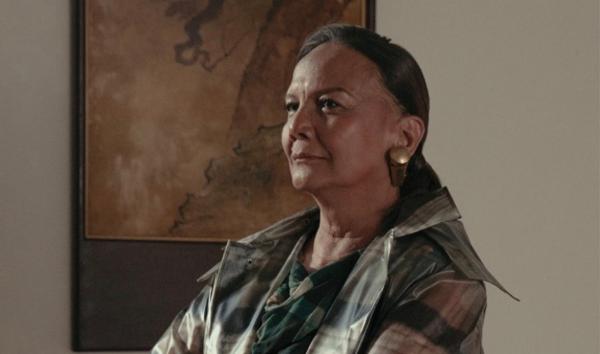
"It is truly heartbreaking because I was never aware that Mas Guruh was suffering from any serious illness," she added. "When we last spoke, we were actively encouraging him to return to the stage. We were discussing, ‘Let’s create another performance, Mas Guruh.’ His passion for the arts remained at the forefront of our conversations."
The Legacy of Guruh Soekarnoputra
Guruh Soekarnoputra, the youngest son of Indonesia’s first president, Sukarno, carved a unique identity that extended far beyond his familial lineage. Born in Jakarta on January 13, 1953, he became a defining figure in the fusion of traditional Indonesian dance—particularly Balinese and Javanese styles—with contemporary music and global choreography.
Throughout his prolific career, Guruh founded the Gencar (Guruh Ensemble) and later the Swara Mahardika, a legendary performing arts group that influenced generations of Indonesian performers. His work often explored the intersection of nationalism and artistic expression, blending indigenous rhythms with symphonic arrangements. His contributions to the Indonesian music industry, including iconic songs and elaborate stage spectacles, cemented his status as a maestro.
Beyond the stage, Guruh was known as an intellectual who deeply valued cultural discourse. He frequently engaged with political and societal leaders, not necessarily to discuss partisan politics, but to advocate for the importance of cultural identity in a rapidly modernizing nation. Recent accounts, such as those shared by former President Susilo Bambang Yudhoyono, highlight how the maestro often preferred discussions centered on the preservation of traditional arts and the role of culture in building a nation’s character.
A Chronology of Artistic Influence
To understand the magnitude of this loss, one must look at the timeline of Guruh’s impact on Indonesian culture:
- The 1970s: Guruh emerged as a pioneer in the music scene, notably through his groundbreaking album Guruh Gipsy, which is widely considered one of the most influential progressive rock albums in Indonesian history.
- The 1980s: This decade marked the height of the Swara Mahardika era, which revolutionized stage performances in Indonesia. Guruh introduced complex choreography that integrated hundreds of dancers into a single, cohesive visual narrative.
- The 1990s and 2000s: He shifted his focus toward large-scale cultural spectacles, including the "Untukmu Indonesiaku" concerts, which showcased the diversity of the Indonesian archipelago.
- Recent Years: Despite stepping back from the limelight, Guruh remained an influential advisor and mentor to younger generations of choreographers and musicians, consistently pushing for the protection of Indonesian cultural property.
Implications of the Loss
The death of Guruh Soekarnoputra marks the end of an era for the Indonesian performing arts. Experts in the field of culture and sociology note that the void left by his passing is significant, particularly in the realm of preserving indigenous dance forms that are at risk of being forgotten by the younger, more digital-native generations.

"Guruh was not just a performer; he was a custodian of our cultural identity," noted a senior arts researcher. "His ability to bridge the gap between classical tradition and modern appeal was his greatest gift. Without his active advocacy, there is a legitimate concern regarding the continuity of high-quality, large-scale traditional productions."
The broader impact of his death is expected to trigger a wave of retrospectives and memorial performances. His peers, including Christine Hakim and others, have indicated that there is a collective desire to honor his memory by revisiting the projects they had discussed, potentially bringing some of his unfinished creative visions to fruition as a tribute to his life’s work.
Official Responses and Public Sentiment
While the government and national institutions have yet to issue a formal declaration regarding the specifics of his final public service, the response from the public has been immediate. Social media platforms in Indonesia have been flooded with tributes, with many users sharing clips of his past performances.
The funeral arrangements and the gathering at the Jalan Sriwijaya residence reflect the high esteem in which he was held. Dignitaries, artists, and former collaborators have been streaming to his home, underscoring the bipartisan respect he commanded. For many, Guruh was a unifying figure, someone who could discuss the aesthetics of a Javanese dance with the same passion as the complexities of national development.
Analysis: A Cultural Vacuum?
The departure of a figure like Guruh Soekarnoputra naturally raises questions about the future of the Indonesian arts scene. While there are many talented choreographers and musicians, few possess the institutional memory and the cross-disciplinary authority that he maintained.
His life’s work serves as a case study in the necessity of cultural stewardship. He demonstrated that Indonesian arts could compete on a global stage while maintaining deep, authentic ties to the local soil. The challenge for the next generation of Indonesian artists will be to emulate his commitment to authenticity without sacrificing the innovation that he championed.

As the nation mourns, the focus remains on the immense body of work he left behind. For friends like Christine Hakim, the immediate focus is on mourning a close companion, but the secondary focus is undoubtedly on the preservation of a legacy that defined the artistic heartbeat of Indonesia for over five decades.
"He was a visionary," Christine remarked in the final moments of her interview at the funeral home. "His vision for Indonesia, for our arts, was always so expansive. It is our duty now to ensure that this vision does not fade away with him."
As the final preparations for his internment are made, the Indonesian public continues to reflect on a man who transformed the way the country viewed its own artistic potential. Guruh Soekarnoputra’s life was a testament to the power of art to unify, to educate, and to inspire, leaving behind a footprint that will undoubtedly influence the cultural trajectory of the nation for years to come.