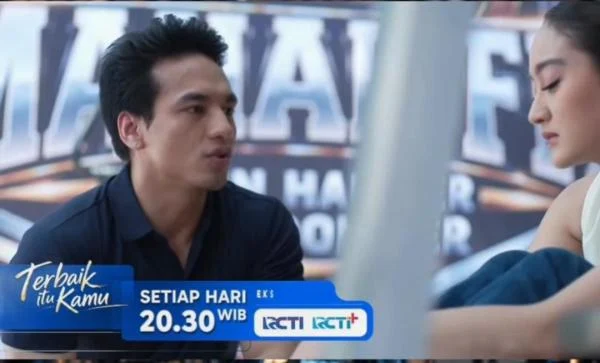
The Indonesian television landscape continues to see a significant evolution in its prime-time programming, with the latest production, Terbaik Itu Kamu, securing a prominent position on the RCTI broadcast schedule at 20:30 WIB. The series, which integrates elements of romantic tension, familial conflict, and high-stakes corporate maneuvering, has quickly established itself as a focal point for evening entertainment in the country. By utilizing a blend of established industry veterans and emerging talent, the production aims to capture a broad demographic, leveraging themes that resonate with contemporary audiences navigating the complexities of modern personal and professional relationships.
The Narrative Framework and Character Dynamics
At its core, Terbaik Itu Kamu explores the fragility of trust within both corporate boardrooms and domestic spheres. The narrative centers on the pursuit of strategic alliances, specifically the search for investment opportunities for the entity known as Mahar Fit. This central plot device serves as the catalyst for the conflict, forcing characters into high-pressure environments where their true motivations are laid bare.
The production boasts a substantial ensemble cast designed to anchor these complex character arcs. Salsabila Andriani, portraying the protagonist Sera Maharani, leads a cast that includes Jefri Nichol as Kenzi Adrian, alongside notable performances from Arya Vasco as Marvin Daneswara and Rachel Patricia as Clara Putri. The presence of industry stalwarts like Benny Ruswandi, cast as the formidable Prayoga Bratanegara, and Cinta Dewi, as Lena Saputri, provides a necessary gravitas to the show’s more intense dramatic sequences. The inclusion of diverse acting profiles suggests a deliberate strategy by the production team to balance the youthful energy of its leads with the experienced craftsmanship of its supporting cast, a common and effective trope in successful long-form drama series.
Chronology of the Evernight Gala Conflict
The most recent development in the series revolves around the Evernight gala, a high-society event that serves as the backdrop for several key confrontations. The timeline of this episode is defined by the converging agendas of the primary characters:
- Initial Strategic Deployment: Sera, Kenzi, Lita, and Bebeto arrive at the gala with the primary objective of securing a partnership with a elusive investor. Their approach is characterized by a strategic division of labor, as they scatter throughout the venue to maximize their chances of securing a formal meeting.
- The Deception of Prayoga: Simultaneously, the antagonist Prayoga Bratanegara enters the event accompanied by Clara and Marvin. In a calculated move to project an image of vitality and corporate stability, Prayoga masks his physical vulnerability by concealing his use of a wheelchair, underscoring the lengths to which he is willing to go to manipulate the perception of potential investors.
- External Complications: The narrative scope expands with the arrival of Wilda and Bimo, who had previously been engaged in informal activities at a local café. Wilda’s presence is fueled by internal resentment, particularly regarding the perceived favoritism Vonny shows toward Sera, adding an emotional layer to the already tense corporate environment.
- The Deadlock with Pak Bisam: The focal point of the evening’s tension is the presence of Pak Bisam, a high-profile investor known for his guarded nature. As multiple factions converge on him to solicit financial support, the investor adopts an evasive strategy, ultimately becoming weary of the relentless professional badgering. The resulting interactions between Sera, Prayoga, and Pak Bisam serve as a microcosm for the show’s central theme: the transactional nature of human relationships.
Industry Context and Television Market Trends
The success of dramas like Terbaik Itu Kamu is not incidental but reflective of current trends in Indonesian television. Market data indicates that "family-drama" remains the most resilient genre in the prime-time slot. According to industry analysis from local media monitoring agencies, programs that blend corporate intrigue with interpersonal conflict tend to maintain higher audience retention rates, particularly among the 25-45 age demographic.
The decision to broadcast at 20:30 WIB is a strategic move by RCTI, positioning the show to capture the "prime-time peak," where viewership typically reaches its highest density. By incorporating elements of "action" into the standard romance-drama formula, the show differentiates itself from traditional soap operas that rely solely on emotional melodrama. This hybrid approach is increasingly common in Southeast Asian media, where the demand for higher production values and more intricate plot structures is growing alongside the accessibility of international streaming content.
Production Value and Casting Implications
The casting of Jefri Nichol and Salsabila Andriani represents a calculated effort to bridge the gap between digital-native audiences and traditional television viewers. Nichol, a prominent figure in the Indonesian film industry, brings a certain "prestige" to the production, which can often elevate the perceived value of a television series. For the network, this casting choice is an attempt to mitigate the migration of viewers to Over-The-Top (OTT) platforms by offering talent that is typically associated with high-budget cinema.
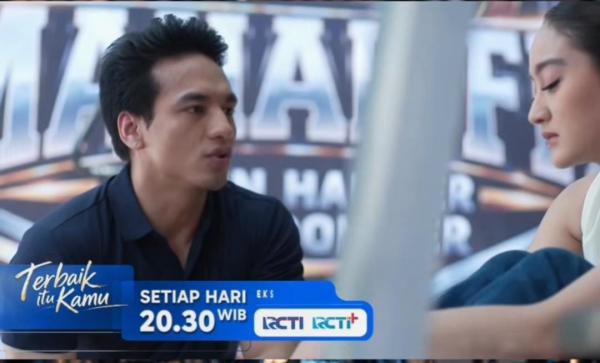
Furthermore, the character of Prayoga, played by Benny Ruswandi, represents the "institutional villain." This archetype is essential for sustaining long-term tension in television dramas. By creating a character whose physical limitations are hidden to project an image of power, the writers provide a visual metaphor for the show’s exploration of corporate hypocrisy. This thematic depth allows the series to be more than just a sequence of romantic interactions, grounding it in a critique of the superficiality often found in elite social circles.
Analysis of the Conflict and Future Implications
The standoff at the Evernight gala serves as a crucial turning point for the series. The failure of both Sera and Prayoga to effectively engage Pak Bisam suggests a narrative pivot: the characters may soon be forced to abandon traditional business strategies in favor of more aggressive or unethical methods to achieve their goals.
From a structural standpoint, the episode highlights the "collision of interests." When too many characters pursue the same objective in a confined space, the narrative naturally shifts from cooperation to sabotage. The inclusion of subplot characters like Wilda and Bimo ensures that the central plot—the investment deal—remains surrounded by interpersonal drama, which is a staple of effective serial storytelling.
The underlying implication of the current story arc is the volatility of the characters’ alliances. As the competition for resources intensifies, viewers can expect the relationships between the leads to deteriorate further. The tension between Sera and Vonny, for instance, is likely to become a secondary source of conflict that complicates the primary corporate goals. This multi-layered approach to plot development ensures that the audience remains engaged, as the stakes are not merely financial, but deeply personal.
Broader Societal Reflections
While Terbaik Itu Kamu is a fictional narrative, it reflects real-world anxieties regarding economic instability and the pressure to succeed in a competitive corporate environment. The character of Pak Bisam, who views the pursuit of his capital with apathy and irritation, serves as a mirror for the unreachable nature of wealth for many viewers. The desperation of the protagonists to secure investment is a relatable struggle, framing the pursuit of financial stability as a high-stakes battle for survival rather than a mere pursuit of luxury.
As the series continues, the reliance on such themes will be critical for its long-term viability. The show must continue to balance the intensity of its plot with the emotional relatability of its characters. If the narrative can maintain this equilibrium, it is likely to remain a cornerstone of the evening broadcast schedule, continuing to influence public discourse through its portrayal of ambition, betrayal, and the complex pursuit of truth.
In conclusion, the current trajectory of Terbaik Itu Kamu suggests a production that is acutely aware of its audience’s requirements for suspense and emotional investment. Through its strategic use of setting, character archetypes, and pacing, the series successfully navigates the complexities of the modern television drama, providing a compelling look into the lives of those who inhabit its high-pressure, high-reward world. With the Evernight gala setting the stage for future conflict, the coming episodes will be pivotal in determining the ultimate fate of the Mahar Fit venture and the shifting allegiances of its key players.