
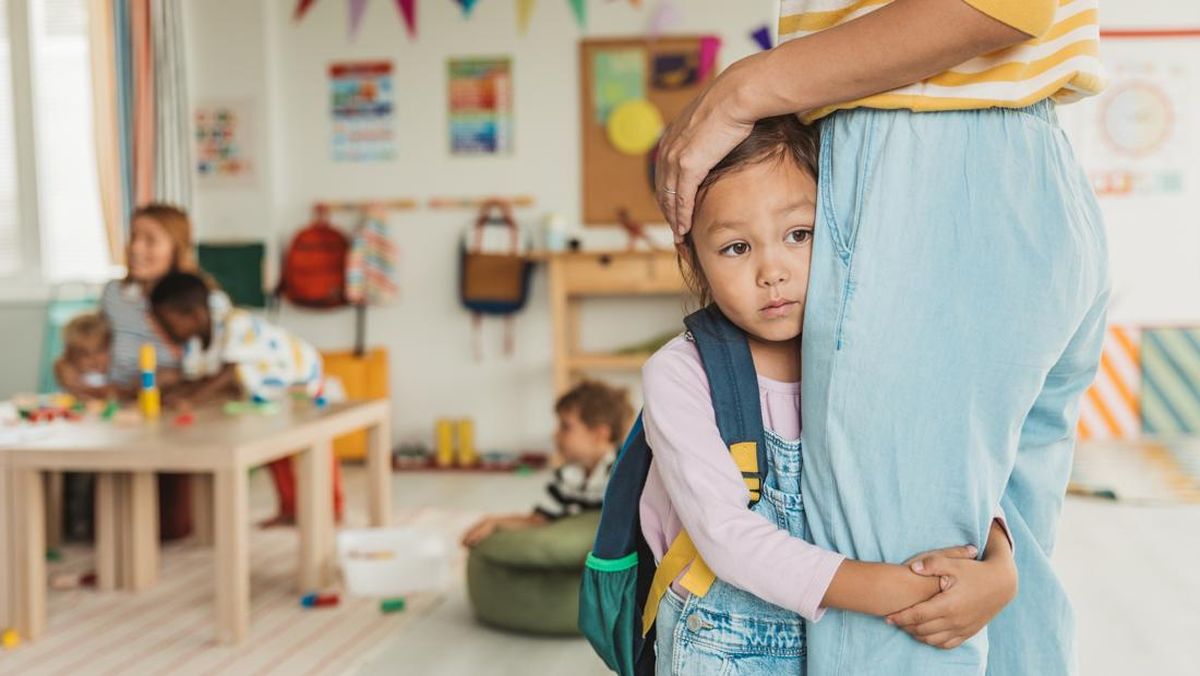
Many parents harbor significant concerns regarding their children’s inherent shyness, often fearing that a reserved demeanor may hinder their social integration, academic participation, or long-term emotional well-being. This apprehension frequently leads parents to seek guidance from social media communities, educational blogs, or professional child psychologists to determine whether such behavioral patterns require intervention or if they are simply a standard stage of childhood development. Recent insights from developmental experts at the Children’s Hospital of Philadelphia (CHOP) clarify that shyness is not a personality defect or a psychological disorder. Instead, it is increasingly viewed as a natural facet of human development, where some children simply require more time to acclimate to new environments and social stimuli than their more extroverted peers.
The Developmental Context of Childhood Shyness
Psychological research suggests that approximately 20 to 30 percent of children display a temperament characterized by behavioral inhibition—the tendency to be shy, cautious, or fearful in new situations. This trait is often observable as early as infancy and can persist into early childhood. Experts emphasize that the neurobiological roots of shyness are complex, involving a combination of genetics and environmental influences.
Historically, society has often pressured children to "come out of their shell," viewing shyness as a barrier to leadership and social success. However, modern child development experts argue that labeling a child as "shy" can create a self-fulfilling prophecy. When a child is constantly reminded of their shyness, they may begin to internalize the label as a fixed identity, which further limits their willingness to take social risks. Instead of viewing shyness as a problem to be "cured," experts recommend viewing it as a temperament that requires specific, supportive scaffolding to help the child navigate social complexities.
Chronology of Social Skill Acquisition
The journey toward social confidence is rarely linear. During the toddler years, "parallel play"—where children play near each other but not necessarily together—is considered normal. As children transition into the preschool years, the expectation for interactive play increases. It is during this developmental window that parents often begin to notice a discrepancy between their child’s social comfort levels and those of their peers.
- Early Childhood (Ages 2-4): Children primarily focus on self-regulation. Observations of peers are a form of engagement.
- Preschool Years (Ages 4-6): Social interaction shifts toward cooperative play. Children begin to understand social cues, but shy children may struggle with the unpredictability of group dynamics.
- School-Age (Ages 7+): Formal schooling introduces structured social hierarchies. This is where the ability to initiate conversation and express needs becomes vital for a child’s confidence.
Evidence-Based Strategies for Parents
To support children in overcoming the paralyzing effects of shyness, experts suggest a methodical, low-pressure approach. The goal is not to force an extroverted personality, but to provide the child with a "toolkit" for social navigation.
Strategic Preparation
Preparation acts as a buffer against social anxiety. When parents take the time to preview an upcoming social event, they reduce the "unknown" factors that trigger apprehension. By describing the environment, identifying potential playmates, and suggesting low-stakes ways to join a group, parents empower their children. Crucially, upon arrival, parents should respect the child’s need to "observe first." This period of observation is not procrastination; it is the child’s way of assessing safety and group dynamics.
Structured Social Practice
Social skills are like muscles; they require consistent, gentle exercise. Parents can facilitate "micro-interactions" at home or with trusted family friends. This practice helps children identify social "hooks"—shared interests that can bridge the gap between strangers. For instance, noticing a peer’s interest in a specific cartoon character or a unique toy can provide the child with an opening line. Teaching children to offer a simple, sincere compliment can be a transformative social tool that breaks the ice effectively.
The Power of Positive Reinforcement
Behavioral psychology emphasizes the efficacy of positive reinforcement. When a shy child makes even a minor effort to engage—such as standing near a group or responding to a peer—it should be acknowledged. However, the praise should be directed at the effort rather than the outcome. For example, saying, "I noticed how brave you were when you asked that child about their toy," is more effective than saying, "I’m glad you finally talked to someone."
Emotional Validation
Validating a child’s feelings is essential for emotional intelligence. When a child retreats after a social interaction, they are often processing an intense internal experience. Parents should avoid dismissing these feelings with phrases like "Don’t be shy." Instead, creating a safe space for dialogue allows the child to express their frustrations or fears. Asking open-ended questions like, "How did it feel when you were in the playground today?" helps the child process their emotions and develop a positive internal monologue.
The Role of Independence and Anxiety Management
As children grow, they must transition from relying on their parents for social mediation to managing these interactions independently. This should be a gradual process. Parents can begin by "fading" their presence—sitting nearby but engaging in their own task, thereby signaling to the child that they are capable of navigating the situation solo.
Furthermore, children should be taught to recognize the physiological signs of anxiety, such as a rapid heartbeat or shallow breathing. By identifying these symptoms early, children can employ grounding techniques, such as deep, slow breathing, to regain composure before the anxiety becomes overwhelming.
Broader Implications for Child Development
The long-term implications of managing shyness effectively are significant. Children who are taught to understand their temperament and are provided with social tools often exhibit higher levels of empathy and observational skills compared to their peers. Because they are accustomed to watching and analyzing social situations, they frequently become excellent listeners and thoughtful friends.
However, parents must remain vigilant regarding the distinction between "healthy shyness" and "social anxiety disorder." While shyness is a preference for solitude or caution, social anxiety involves a persistent, irrational fear of social situations that interferes with daily functioning, such as school attendance or the ability to communicate basic needs. If a child displays extreme distress, panic attacks, or total social withdrawal that persists despite consistent support, professional intervention from a pediatric psychologist or counselor is strongly recommended.
Conclusion: A Supportive Environment as the Foundation
The overarching message for parents is that their role is to be a supportive coach rather than a director. Shyness is a legitimate, often misunderstood, part of the human experience. By implementing these structured, evidence-based strategies—focusing on preparation, practice, and validation—parents can provide their children with the confidence needed to engage with the world on their own terms.
As society becomes increasingly aware of neurodiversity and the varying spectrums of human personality, the narrative surrounding childhood shyness is shifting. It is no longer viewed as a deficiency, but as a trait that, when nurtured with patience and understanding, allows children to develop unique strengths. By fostering an environment where a child’s pace of social growth is respected, parents ensure that their children not only survive in social environments but eventually thrive, bringing their own quiet but profound contributions to their peer groups and communities. Consistent, compassionate, and informed guidance remains the most effective strategy for ensuring that a shy child feels both understood and empowered.