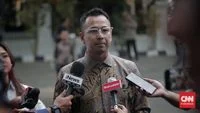
The entertainment industry and public sphere in Indonesia recently experienced a wave of intense discussion following the attendance of prominent celebrity and public figure Raffi Ahmad at the 2026 Indonesian Student Youth Pledge Declaration event. The appearance, which took place on October 29, quickly drew widespread public scrutiny, triggering extensive online debates and diverse reactions across various social media platforms. In response to the escalating controversy and public discourse surrounding his participation, Raffi Ahmad formally released a comprehensive video statement through his official Instagram account. The statement aimed to clarify the context of his attendance, address misunderstandings, offer an unreserved apology for any public discomfort caused, and outline his commitment to exercising greater caution in his professional and public engagements moving forward.
Background Context of the Event and Public Reception
The Indonesian Student Youth Pledge Declaration is designed as a platform intended to foster youth mobilization, national unity, and civic engagement among students across the archipelago. Traditionally, such events draw numerous public figures, influencers, and notable personalities to help amplify messages of patriotism and national development to younger generations. However, the 2026 iteration of the event faced unexpected complexities regarding public perception, largely due to shifting sensitivities surrounding the involvement of public figures in politically or institutionally sponsored gatherings.
When photographs and video footage of Raffi Ahmad attending the event surfaced online, they immediately caught the attention of netizens and social media commentators. Given his massive digital footprint—spanning tens of millions of followers across Instagram, YouTube, and other platforms—any public appearance by Ahmad carries significant weight and frequently becomes a focal point of public commentary. Critics and observers questioned the exact nature of his involvement, leading to a cascade of speculations regarding potential political affiliations or endorsements. The rapid dissemination of unverified narratives prompted both confusion and criticism among segments of the public who closely monitor the socio-political activities of high-profile celebrities.
Chronology of Events Leading to the Clarification
The sequence of events began on October 29, when the declaration event was officially held. Raffi Ahmad attended the gathering, a move that he later explained was driven by routine professional courtesy and a willingness to support youth-centric initiatives. In the immediate aftermath, digital discussions intensified, moving from initial curiosity to pointed criticism regarding the optics of his presence at the gathering.
As the digital discourse threatened to overshadow the intended message of the youth event, law enforcement authorities stepped in to clarify procedural aspects of the gathering. The Jakarta Metro Police (Polda Metro Jaya), acting as one of the institutional entities linked to the oversight and facilitation of the youth activities, publicly addressed the nature of the event. Officials confirmed that Ahmad’s presence was strictly that of an invited guest, intended to support youth engagement rather than serve any partisan or controversial agenda.
Recognizing the need to address the mounting public discussion directly, Raffi Ahmad recorded and published his video clarification. By utilizing his primary social media channel, he sought to reach his vast audience directly, ensuring his perspective was communicated transparently without the filter of secondary rumors or speculative media interpretations.
The Full Clarification Statement by Raffi Ahmad
In his video address, delivered with a calm and measured demeanor, Raffi Ahmad began by establishing a respectful and humble tone, addressing his followers and the wider public directly.
"Assalamualaikum warahmatullahi wabarakatuh. Good evening, I am Raffi Ahmad, and with all humility, allow me to convey several matters regarding the event on October 29," he stated at the opening of his address.
Ahmad proceeded to outline the official stance regarding his invitation, aligning his explanation with the prior clarifications issued by law enforcement authorities. "As previously explained by the Jakarta Metro Police as the organizers of the event, I attended as an invited guest in that youth activity. I came with a sincere intention and good faith, with no intention of degrading, let alone undermining, the fighting spirit of the younger generation."
Addressing the broader question of why he accepts various invitations, the celebrity highlighted a long-standing personal policy regarding public appearances. "It has been my habit since a long time ago that whenever there is an invitation, whoever invites me, God willing, I always strive to attend, even if only for a brief moment."
Acknowledging the friction caused by his appearance, Ahmad offered a direct and sincere apology. "I apologize from the bottom of my heart for the public commotion that arose from my presence. I fully understand that good intentions still need to be accompanied by careful scrutiny of every activity one attends."
Broader Insights on Media Literacy and Digital Responsibility
Beyond addressing the immediate controversy, Raffi Ahmad utilized the platform to reflect on broader societal issues, particularly concerning digital literacy, misinformation, and online behavior. Having experienced the rapid spread of unverified claims firsthand, he took the opportunity to advocate for responsible digital citizenship.
"All this time, I have invited the entire community not to spread information that is not yet clear in its truth," Ahmad remarked. He emphasized the importance of abstaining from hate speech, malicious insults, and defamation, which frequently plague modern digital discourse. "And this incident serves as a reminder for me to be more thorough, understand information better, and be more careful in taking steps."
Furthermore, the entertainer expressed his respect for public feedback, welcoming diverse perspectives from critics and supporters alike. "I appreciate everyone who conveys their aspirations, criticisms, views, and suggestions; I appreciate all of them, because I firmly believe that everyone has a way to contribute and give their absolute best in their own way for the nation and the state."
Concluding his statement, Ahmad expressed gratitude for the public scrutiny, viewing it as a constructive mechanism for personal growth. "Thank you once again for the attention, criticism, and feedback provided. All of this certainly serves as a lesson for me to continuously improve myself." He closed by expressing hope that his clarification would put an end to ongoing speculation. "I hope the explanation that has been conveyed helps to clarify the situation as it truly is, and at the same time serves as a lesson and evaluation for all parties, including myself. Wassalamualaikum warahmatullahi wabarakatuh."
Analysis of Implications for Public Figures and Digital Culture
The incident involving Raffi Ahmad highlights a growing trend in modern Indonesian media and public relations: the delicate intersection between celebrity culture, public events, and socio-political sensitivities. As digital platforms continue to accelerate the spread of information—and misinformation—public figures with high visibility face unprecedented levels of scrutiny regarding their associations and public appearances.
Industry analysts note that high-profile personalities are increasingly required to exercise rigorous due diligence before accepting invitations to events that may carry institutional or political undertones. What might have previously been viewed as a routine appearance out of politeness can quickly transform into a complex public relations challenge in an era dominated by hyper-connected social media ecosystems.
Moreover, the episode underscores the vital role of institutional transparency. The prompt clarification by the Jakarta Metro Police played a crucial role in contextualizing the event, helping to separate verified facts from speculative narratives circulating online. Coupled with Ahmad’s direct, accountable response, the situation demonstrates an emerging framework for crisis management in the digital age, where proactive communication and humility are essential for mitigating reputational fallout.
Ultimately, the event serves as a significant case study for both public figures and the broader public regarding the responsibilities of digital communication, the necessity of media literacy, and the ongoing dialogue between public personalities and their audiences in contemporary Indonesia.