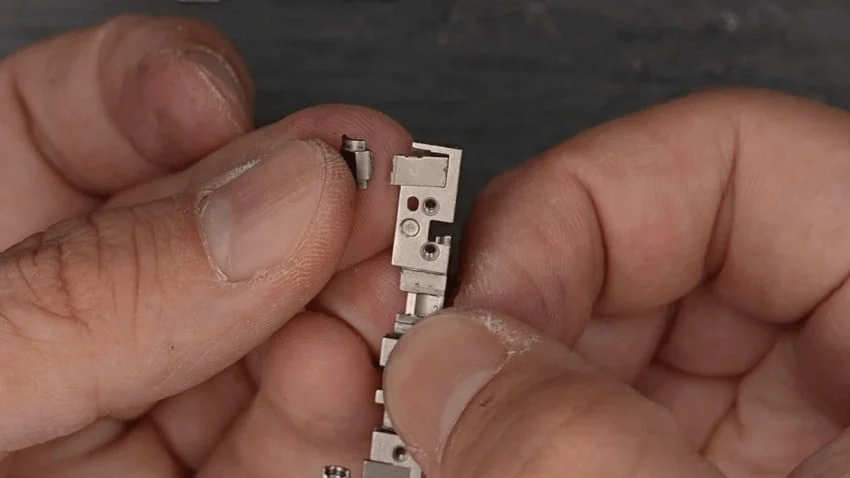
The technology sector has been abuzz following widespread reports of structural failures and display anomalies affecting the highly anticipated iPhone Duo, Apple’s tentative foray into the foldable smartphone market. Amid intensifying public scrutiny and technical evaluations from industry experts, Fine M-Tec, a key component manufacturer implicated in the design controversy, has issued a formal statement denying responsibility for the mechanical breakdowns. The controversy, centered around localized fractures occurring along the primary fold line of the device, has sparked rigorous debate regarding the durability of ultra-thin flexible glass, internal support plates, and hinge mechanisms. While supply chain entities actively distance themselves from the manufacturing defects, tech giant Apple has reportedly stepped forward to provide comprehensive customer support and warranty services to early adopters experiencing hardware failures. This developing situation highlights the immense engineering hurdles inherent in producing commercially viable foldable technology, where mechanical stress management remains a critical vulnerability for device manufacturers and their tier-one suppliers alike.
Background Context of the Foldable Market and the iPhone Duo Launch
The introduction of foldable smartphones marked a paradigm shift in mobile device design, promising users the compact form factor of a traditional smartphone combined with the expansive display real estate of a tablet. However, transitioning from rigid displays to flexible OLED panels has consistently challenged engineers across the global consumer electronics industry. When Apple reportedly entered this competitive arena with the launch of the iPhone Duo, expectations were extraordinarily high. Consumers and industry analysts alike anticipated that Apple’s notoriously stringent quality control and proprietary engineering methodologies would resolve the persistent durability issues that had plagued early-generation foldable devices from rival manufacturers.
Foldable devices rely heavily on sophisticated hinge architectures and internal metallic support plates—often constructed from advanced titanium or specialized aluminum alloys—to absorb the kinetic energy and mechanical tension generated every time a user opens or closes the device. The iPhone Duo was marketed as a pinnacle of modern metallurgical and material engineering, boasting a seamless closing mechanism designed to withstand hundreds of thousands of fold cycles. Despite these high-end specifications, early consumer adoption quickly revealed unforeseen structural vulnerabilities. Users participating in online technology communities, alongside independent durability testing channels, began documenting alarming instances of screen degradation, mechanical lockups, and fractures concentrated precisely along the vertical crease axis. These anomalies immediately shifted the spotlight toward the complex supply chain responsible for fabricating the device’s internal skeletal framework.
Chronology of Events and the Emergence of the Defect Reports
The timeline of the iPhone Duo controversy unfolded rapidly in the weeks following its global commercial release. Initially, early reviews praised the device for its sleek aesthetic profile, fluid software adaptation, and seemingly robust hinge resistance. However, within the first month of deployment, the narrative shifted as independent testers and everyday consumers began publishing video evidence of catastrophic display failures.
By mid-October, reports had accumulated across multiple technology forums and social media platforms, highlighting a specific pattern: cracks and mechanical binding were not randomly distributed across the screen but were instead concentrated in a single, distinct location along the hinge fold. This localized concentration immediately raised red flags among hardware engineers, who suggested that the anomaly stemmed from a fundamental design flaw in either the metallic support plates, the OLED panel’s substrate, or the internal gear mechanism of the hinge itself.
As public pressure mounted and teardown videos dissected the device’s inner workings—revealing instances where portions of the hinge mechanism appeared visibly fractured or displaced—analysts began pointing fingers at the various subcontractors within Apple’s sprawling supply chain. The speculation reached a critical juncture in late October, prompting component manufacturers to address the public allegations directly to protect their corporate reputations and stock valuations.
Fine M-Tec’s Official Denial and Legal Posture
On October 26, Fine M-Tec, the prominent manufacturing firm responsible for producing key mechanical hinge components and internal metal support plates for the foldable device, released an official statement via industry publication The Elec. The corporate communication served as an aggressive rebuttal against circulating claims that attributed the device failures to sub-par manufacturing standards at Fine M-Tec facilities.
Company representatives firmly asserted that all components supplied to assemblers strictly adhered to the rigorous design blueprints, material specifications, and quality assurance benchmarks mandated by the client. "The quality issues recently reported on some products do not originate from defects in the components supplied by our company," the representative emphasized in the official release. Furthermore, Fine M-Tec adopted a stern legal stance, warning that the organization would pursue necessary legal actions against entities, media outlets, or commentators disseminating unverified claims or baseless allegations regarding the integrity of their manufactured goods.
This defensive maneuver illustrates the high-stakes environment of consumer electronics manufacturing. For a tier-one supplier like Fine M-Tec, an association with widespread product failures can result in severed business contracts, significant financial liabilities, and devastating blows to market capitalization. By publicly drawing a line in the sand, Fine M-Tec sought to isolate its operational integrity from the broader design or assembly-level criticisms facing the end product.
Technical Breakdown: The Physics of Foldable Stress Mechanics
To understand the gravity of the dispute between assemblers and component suppliers, one must examine the intricate mechanical physics governing foldable display technology. Fine M-Tec’s core responsibility within the production pipeline involves the fabrication of internal hinge mechanisms and metal support plates specifically engineered to back the foldable OLED panels.
When a foldable device is manipulated, the display undergoes severe mechanical stress. The outer radius of the screen experiences tensile stress (stretching), while the inner radius experiences compressive stress (squashing). To mitigate these opposing forces, manufacturers utilize precision-engineered metal plates—often perforated with microscopic patterns to enhance flexibility—that move in tandem with a multi-axis mechanical hinge. This system is designed to neutralize compression forces and evenly distribute mechanical tension across the entire fold cycle.
However, if tolerances deviate by even a fraction of a millimeter, or if the distribution of force is unevenly channeled into a single focal point, catastrophic material fatigue occurs. The concentration of cracks observed along the iPhone Duo’s crease suggests that either the dynamic load distribution failed, leading to localized metal fatigue in the hinge, or the support plate was unable to absorb the cumulative kinetic energy of repeated folding. While Fine M-Tec maintains that its fabricated parts meet exact dimensional and material tolerances, engineers suggest that the interface between the hinge, the support plate, and the flexible display substrate represents a multi-variable engineering challenge where blame cannot be easily isolated to a single component.
Apple’s Response and Consumer Support Infrastructure
In the wake of consumer complaints and escalating public concern, Apple initiated a customer service protocol to manage the hardware crisis and maintain brand loyalty. Historically renowned for its responsive warranty frameworks and comprehensive retail support, the tech giant mobilized its technical teams to evaluate returned devices and assist users experiencing screen and hinge anomalies.
While Apple has yet to release a sweeping public press release detailing the exact engineering root cause of the failures, reports from retail stores and authorized service providers indicate that affected users are receiving substantial assistance. Devices exhibiting the characteristic crease fractures or hinge binding are being systematically cataloged for engineering analysis at corporate headquarters, while consumers are being offered repairs, replacements, or hardware upgrades under standard and extended warranty provisions.
This proactive intervention by Apple serves a dual purpose. From a customer relations perspective, it dampens consumer outrage and prevents the public relations nightmare associated with hardware unreliability. From an investigative standpoint, gathering damaged units directly from the field allows Apple’s internal failure analysis laboratories to diagnose whether the defects stem from supply chain manufacturing inconsistencies, material degradation under thermal stress, or unforeseen user error resulting from accidental drops or environmental exposure.
Broader Industry Implications and Future Outlook
The challenges currently facing the iPhone Duo and its supply chain partners carry significant implications for the broader smartphone industry. As foldable devices transition from luxury novelties to mainstream productivity tools, consumers demand the same level of structural durability and longevity expected from traditional slab-style smartphones. Incidents involving structural fatigue and hinge breakage threaten to stall consumer adoption rates, instilling a lingering hesitation among potential buyers who fear investing in fragile technology.
For component manufacturers and original equipment manufacturers (OEMs), this episode underscores the critical need for enhanced collaborative testing protocols. Traditional supply chain compartmentalization—where individual vendors produce isolated parts without holistic oversight of how those parts interact under dynamic, real-world stress—may no longer suffice in the realm of advanced form-factor engineering. Moving forward, tighter integration between display fabricators, hinge manufacturers, and final assembly designers will be essential to anticipate points of mechanical failure before products reach commercial shelves.
Ultimately, the resolution of the iPhone Duo controversy will serve as a definitive case study for the foldable device sector. As Fine M-Tec defends its manufacturing standards and Apple absorbs the warranty costs of early failures, the industry is reminded that innovation in design must be inextricably matched by absolute resilience in execution. The lessons learned from these initial structural hurdles will undoubtedly shape the engineering blueprints of the next generation of foldable technology, determining whether such devices can truly achieve the long-term durability demanded by the global market.