The question of whether one should bathe while suffering from the flu remains a persistent point of confusion among the general public. While many individuals adhere to cultural myths suggesting that water exposure during a viral infection can exacerbate symptoms, contemporary medical consensus offers a more nuanced perspective. Understanding the physiological impact of bathing during a respiratory infection is crucial for maintaining personal hygiene without compromising the body’s natural immune response or recovery trajectory.
The Biological Context of Influenza
Influenza is a viral infection that primarily targets the respiratory system, including the nose, throat, and lungs. According to the World Health Organization (WHO), seasonal influenza affects millions of people globally, leading to symptoms such as high fever, muscle aches, fatigue, and nasal congestion. When the human body is under viral attack, the immune system redirects significant energy toward combating the pathogen. This redirection often manifests as systemic fatigue, a decreased ability to thermoregulate, and heightened sensitivity to external environmental changes.
The historical reluctance to bathe while ill is largely rooted in the fear that temperature fluctuations—specifically cooling the body—might trigger a "shock" to the system. While there is no empirical evidence that water itself causes viral propagation, the physical exertion required to bathe and the potential for rapid temperature shifts can indeed place an undue burden on a weakened body.
Chronology of Symptoms and Recovery
For most healthy adults, the flu follows a predictable arc. The incubation period typically lasts one to four days, followed by the onset of acute symptoms. The first 48 to 72 hours are generally the most intense, characterized by fever and severe malaise. It is during this acute phase that individuals are most likely to experience vertigo or physical weakness.
Medical experts suggest that the timing of a bath should align with the severity of the symptoms:
- Acute Phase (Days 1–3): During the onset of high fever or intense shivering, the body’s metabolic rate is elevated. Energy expenditure should be minimized. If bathing is necessary for comfort, it must be performed with extreme caution.
- Recovery Phase (Days 4–7): As the fever subsides and energy levels return, maintaining hygiene becomes beneficial for psychological well-being and preventing secondary infections.
Debunking the Myth: Cold Water vs. Warm Water
A critical distinction in medical advice regarding bathing involves the temperature of the water. Research published in health journals, including insights from medical platforms like Vinmec, emphasizes that while viral infections are not caused by water, the thermal environment is vital.
Cold water immersion during a fever is generally contraindicated. When a patient is experiencing a fever, the body is already working to regulate its internal thermostat. Exposing the body to cold water triggers a shivering reflex—an involuntary mechanism designed to generate heat. For a person already battling a high temperature, this can lead to dangerous spikes in core body temperature and significant physical distress.
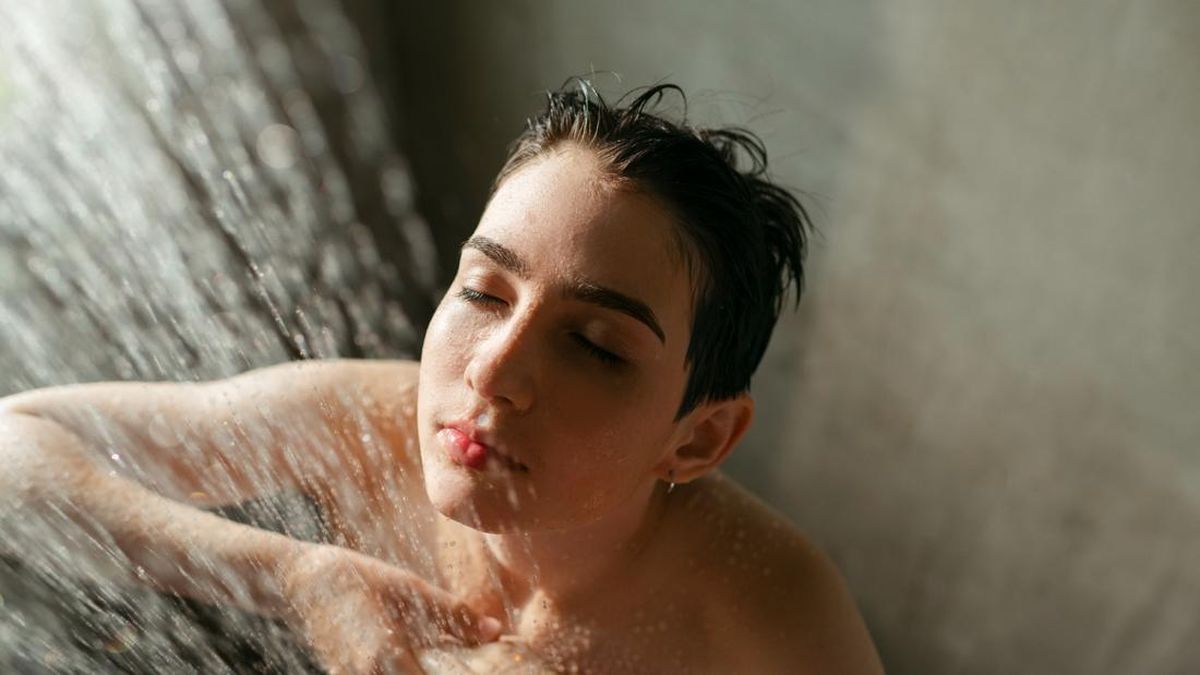
Conversely, warm water—specifically within the range of 27 to 32 degrees Celsius—can be therapeutic. Warmth assists in vasodilation, which may help relax muscles strained by the fever. Furthermore, the steam generated by a warm bath acts as a natural expectorant, helping to loosen mucus in the nasal passages and providing relief from congestion.
Supporting Data and Therapeutic Considerations
The practice of a "detox bath," often involving Epsom salts, ginger, or essential oils like eucalyptus, has gained popularity in domestic care. While these additions are not curative, they offer legitimate physiological benefits:
- Epsom Salts (Magnesium Sulfate): These are known to aid in muscle relaxation. For patients suffering from the common flu symptom of myalgia (muscle pain), a warm soak can alleviate physical tension.
- Essential Oils: Eucalyptus and peppermint oils have been shown in some studies to have mild antiseptic properties and can provide a sensory perception of clearer breathing, which reduces the psychological distress associated with nasal obstruction.
However, it is essential to note that these methods are adjunctive. They do not replace antiviral treatments or the fundamental necessity of hydration and sleep. The clinical consensus remains that the primary objective of any flu-related care routine is to conserve energy and provide a stable environment for the immune system to neutralize the virus.
Safety Protocols for Patients
For those who choose to bathe while symptomatic, medical professionals suggest the following safety protocols to mitigate risks:
- Stability: Patients experiencing vertigo or lightheadedness should never attempt to stand in a shower. A stool or chair should be used to prevent falls, which are a leading cause of accidental injury during bouts of severe influenza.
- Duration: Keep the bathing session brief. Prolonged exposure to humidity, while helpful for the nose, can lead to exhaustion if the patient is still in the acute phase of the illness.
- Environment: Ensure the bathroom is well-ventilated but warm. Moving from a hot, humid bathroom into a cold, drafty hallway can cause rapid vasoconstriction, which may trigger a headache or discomfort.
- Assistance: If the patient is elderly or severely debilitated, bathing should not be attempted without supervision. The risk of fainting due to orthostatic hypotension (a drop in blood pressure when changing positions) is significantly higher during an illness.
Broader Implications for Public Health
The misconception regarding bathing while sick highlights a broader issue in health literacy. When patients avoid basic hygiene, they may inadvertently create conditions that favor secondary bacterial infections. Keeping the skin clean is a standard recommendation in clinical settings to prevent the accumulation of pathogens.
Public health organizations emphasize that self-care during the flu is not merely about comfort; it is about management. By understanding that bathing is permitted—and often encouraged—when performed safely, patients can improve their quality of life during recovery. This also reduces the burden on healthcare systems by empowering individuals to manage minor symptoms at home effectively.
When to Seek Medical Attention
While bathing is a matter of personal comfort, it is never a substitute for medical intervention. Patients should be cautioned that the flu can progress into more severe conditions such as pneumonia or bronchitis.
"If a patient exhibits symptoms such as difficulty breathing, persistent chest pain, sudden dizziness, or a fever that does not respond to over-the-counter antipyretics after several days, they must seek professional medical evaluation," says a public health analyst. Furthermore, vulnerable populations, including the elderly, young children, and those with underlying chronic conditions, should consult a primary care physician at the earliest sign of symptoms rather than relying solely on home-based remedies.
Conclusion
The answer to the question "Should I bathe while I have the flu?" is a qualified "yes." It is not the act of bathing that harms the patient, but the physical exertion and thermal shock associated with improper bathing techniques. By choosing warm water, ensuring physical stability through the use of seating, and keeping sessions brief, patients can maintain their hygiene without compromising their recovery. As the body fights off the influenza virus, the goal is to balance cleanliness with the imperative need for rest and metabolic conservation. Ultimately, the best course of action is to listen to the body’s signals; if the effort of bathing feels overwhelming, it is a clear indication that rest is the superior priority.