
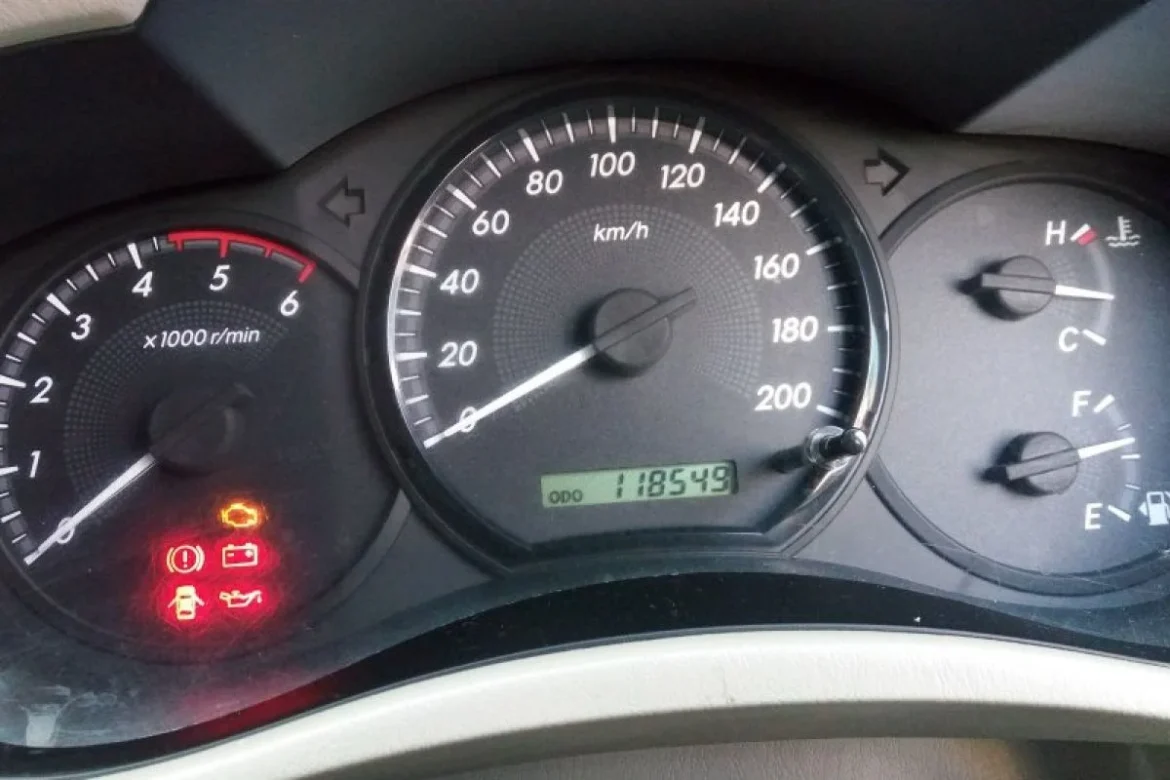
The moment a yellow or orange engine-shaped icon illuminates on a vehicle’s instrument cluster, a wave of anxiety often washes over the driver. Commonly referred to as the check engine light or malfunction indicator lamp, this digital sentinel is an integral component of modern automotive engineering. While it immediately signals that something within the vehicle requires attention, it does not automatically denote a catastrophic mechanical failure. In contemporary vehicles, onboard computers continuously monitor hundreds of data points related to engine performance, emissions, and electrical stability. When an anomaly is detected outside of pre-set factory thresholds, the system triggers the warning light to prompt a driver response. However, deciphering the severity of the alert requires a nuanced understanding of vehicle diagnostics, ranging from loose gas caps to complex powertrain misfires.
Main Facts and Diagnostic Fundamentals of Modern Powertrain Control Modules
To understand why the check engine light activates, one must look at the brain of the modern automobile: the Powertrain Control Module or Engine Control Unit. This sophisticated onboard computer relies on a vast network of sensors placed strategically throughout the exhaust, ignition, fuel, and emission control systems. These sensors measure parameters such as oxygen levels in the exhaust, engine temperature, throttle position, and manifold pressure hundreds of times per second.
When a sensor registers a reading that deviates from standard operational baselines, the ECU logs a Diagnostic Trouble Code into its memory and activates the dashboard indicator. These DTCs fall under standardized protocols, allowing professional mechanics to plug an OBD-II scanner into the vehicle’s port and retrieve exact error codes.
However, the presence of an active warning light rarely provides a complete diagnosis on its own. The spectrum of triggers spans from minor electrical glitches to severe mechanical degradation. Automotive experts emphasize that categorizing the behavior of the check engine light—whether it flashes, stays solid, or illuminates temporarily—is the first line of defense for any motorist trying to prevent expensive roadside breakdowns.
Chronology and Normal Operation Versus Warning States
Vehicle self-diagnostic sequences follow a strict chronological timeline every time a driver starts a car. When the ignition key is turned to the "ON" position or the start button is engaged without cranking the engine, multiple dashboard warning indicators illuminate simultaneously. This brief illumination is not a malfunction; it is a routine electronic self-test. During this phase, the ECU checks the continuity of its warning circuits to ensure that the bulbs and digital displays are functioning properly. Once the engine successfully starts and the alternator begins charging the electrical system, these indicators should automatically extinguish within a few seconds.
If the check engine light behaves in this manner—lighting up during ignition and turning off promptly once the engine idles—the vehicle’s diagnostic system has confirmed that all monitored parameters are operating within normal limits. Panic in these scenarios is entirely unfounded.
Conversely, complications arise when the light refuses to turn off after the engine starts, or if it illuminates mid-journey while driving at highway speeds. This persistent illumination transitions the vehicle from a normal operational state to an active warning state, requiring systematic troubleshooting by the operator.
Supporting Data and Common Triggers for Persistent Dashboard Warnings
When the check engine light remains continuously lit while the vehicle drives normally, the underlying cause is typically non-emergency related, though it still demands professional evaluation. Statistical data compiled by automotive aftermarket networks and service centers indicate that several recurring issues account for the vast majority of check engine light activations globally.
The Loose or Damaged Fuel Cap
Counterintuitively, one of the most frequent and easily resolved causes of an illuminated check engine light is a poorly tightened or damaged fuel filler cap. Modern vehicles rely on sealed, pressurized fuel systems to prevent harmful hydrocarbon vapors from escaping into the atmosphere. If the gas cap is left loose after refueling, or if the rubber gasket degrades and develops microscopic cracks, the evaporative emission control system detects a pressure leak. This triggers the ECU to log an EVAP system fault code. Fortunately, tightening the cap until it clicks—or replacing a worn cap—often resolves the issue, though the light may take several driving cycles to automatically reset.
Worn Spark Plugs and Ignition Components
Internal combustion engines depend on precise timing between fuel injection and spark ignition. Over time, spark plugs suffer from electrode erosion, carbon fouling, and gap widening. When a spark plug fails to fire cleanly, it creates an engine misfire. The ECU detects this unburned fuel entering the exhaust stream via the oxygen sensors and illuminates the check engine light. Along with the warning light, drivers may notice rough idling, sluggish acceleration, or reduced fuel economy. Addressing worn ignition coils and spark plugs promptly prevents unburned fuel from melting expensive catalytic converters.
Mass Air Flow Sensor and Oxygen Sensor Failures
The Mass Air Flow sensor measures the volume of air entering the engine, allowing the computer to meter the correct amount of fuel. If dust, oil, or debris coats the MAF sensor wire, it sends inaccurate data to the ECU, leading to a lean or rich air-fuel mixture. Similarly, oxygen sensors monitor unburned oxygen in the exhaust. Both sensors operate in harsh environments and eventually degrade, triggering dashboard warnings that diminish overall vehicle efficiency and increase toxic emissions.
Official Responses and Manufacturer Guidelines on Critical Warnings
Automotive manufacturers, including global giants like Toyota, Ford, and General Motors, provide explicit guidelines in their owner manuals regarding how drivers should respond to varying states of the check engine light. These manufacturer protocols draw a sharp distinction between a steady light and a flashing light.
When the warning light flashes rapidly, manufacturers designate this as an urgent mechanical emergency, most commonly associated with severe engine misfires. A flashing check engine light indicates that unburned fuel is entering the exhaust system at a rate high enough to overheat and permanently destroy the catalytic converter within minutes. In such cases, manufacturers advise drivers to immediately find a safe location to pull over, shut down the engine, and arrange for professional towing services. Attempting to drive through a flashing indicator event can transform a relatively inexpensive ignition repair into a four-figure exhaust system replacement.
Furthermore, official manufacturer guidance stresses the importance of monitoring secondary dashboard indicators. If the check engine light activates simultaneously with red warning lights—such as low oil pressure, battery charging system failure, or high coolant temperature—the vehicle must be parked immediately. Red indicators signify critical system failures that will cause catastrophic internal engine damage if operation continues even for a short distance.
Broader Impact, Economic Implications, and Diagnostic Best Practices
Ignoring a persistent check engine light carries significant economic and environmental consequences. From an environmental standpoint, a compromised emissions control system can cause a vehicle to emit hazardous pollutants well above legal regulatory limits. Economically, minor faults like a failing thermostat or a degraded oxygen sensor force the engine to run inefficiently, wasting fuel and driving up monthly operating costs. Over time, small neglected issues snowball into major component failures.
A common pitfall among vehicle owners is the temptation to use inexpensive OBD-II code readers to clear error codes manually without addressing the root cause. While erasing a code makes the light go away temporarily, it does not repair the underlying mechanical or electrical fault. Within a few miles of driving, the self-diagnostic computer will detect the recurring anomaly and illuminate the dashboard icon once more. Professional technicians stress that diagnostic trouble codes should be used merely as a roadmap to locate the source of a problem, followed by physical inspection and targeted parts replacement.
Conclusion and Summary of Actionable Steps for Motorists
Navigating the complexities of vehicle maintenance requires separating panic from pragmatism. Motorists must remember that a check engine light is an automated communication tool, not an immediate sentence of roadside breakdown.
If the light illuminates briefly during startup and turns off, the vehicle is healthy. If the light remains steadily illuminated while the vehicle performs normally, the driver should schedule a diagnostic appointment with a certified mechanic within a reasonable timeframe, checking simple items like the fuel cap first. If the light flashes continuously, or if it is accompanied by severe engine vibrations, loss of power, unusual smoke, or red warning indicators, the vehicle must be pulled over immediately to safeguard both the driver and the mechanical integrity of the automobile. By understanding these distinct operational parameters, vehicle owners can ensure optimal safety, extend the lifespan of their powertrain, and avoid unnecessary repair expenses.
