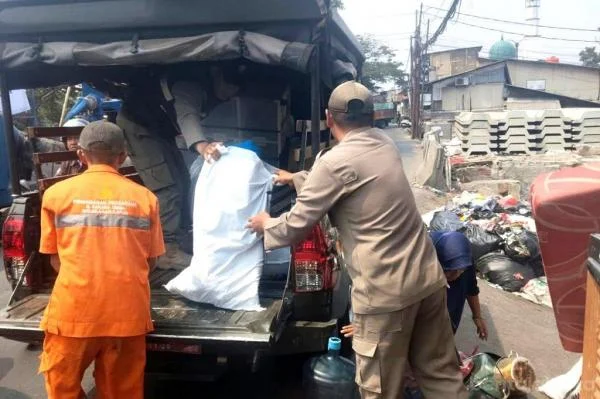
The municipal administration of West Jakarta has successfully completed the relocation of 31 families living in the RT 08/12 area of Kapuk, Cengkareng, marking a significant milestone in the ongoing efforts to mitigate chronic flooding in the region. The evacuation of these residents is a critical prerequisite for the construction of a new pump house and the necessary widening of the Kali Apuran riverbank. This project, which falls under the broader mandate of the Jakarta Provincial Government’s flood mitigation master plan, aims to enhance the discharge capacity of local waterways, which have historically been prone to overflow during peak monsoon seasons.
The Chronology of Displacement and Transition
The relocation process, which officially concluded this week, was not an abrupt measure but rather the culmination of a deliberate, multi-week engagement strategy. According to the Cengkareng Sub-district administration, the process began in earnest on Wednesday, September 30, 2026. The initial phase focused on community outreach and coordination, spearheaded by the Mayor of West Jakarta, Iin Muthmainnah, who conducted direct dialogues with the affected residents at the Rusun Cinta Kasih Budha Tzu Chi facility.
The approach prioritized consensus-building, ensuring that the 31 property-owning families understood the urgency of the infrastructure project while being provided with stable, standardized housing alternatives. By maintaining open lines of communication, the local government sought to minimize the social friction often associated with urban redevelopment and land clearance projects in densely populated Jakarta neighborhoods.
Addressing the Needs of Non-Property Owners
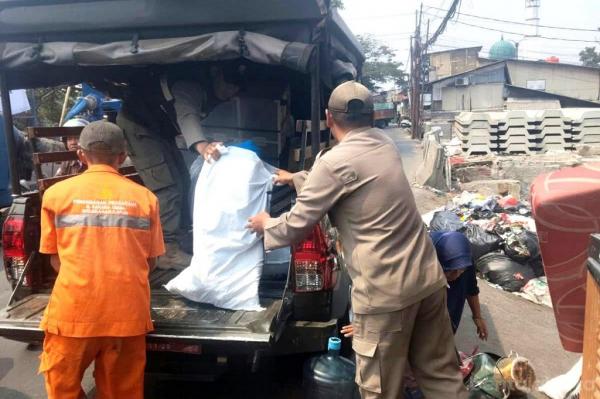
While the primary focus was on the 31 families who held legal claims to the land, the West Jakarta administration also accounted for the needs of nine additional families residing in the area as tenants. The inclusion of these households in the relocation plan highlights a shift toward a more comprehensive humanitarian approach to urban displacement.
The distribution of these nine families was handled with logistical precision to ensure they remained within the city’s social housing network. Five families were integrated into the Rusun Cinta Kasih Budha Tzu Chi facility, keeping them within close proximity to their previous community. The remaining four families were dispersed to other city-managed housing units: two families were relocated to the Rusun Pulogadung, while one family each was moved to the Rusun Rawa Bebek and Rusun Rorotan facilities. This strategic distribution reflects the city’s attempt to optimize the occupancy rates of existing vertical housing while preventing the formation of new informal settlements in flood-prone zones.
Strategic Infrastructure: The Role of the Kali Apuran Pump House
The Kali Apuran river system serves as a vital artery for the water drainage network in West Jakarta. However, the area has long suffered from hydraulic bottlenecks caused by narrow canal widths and insufficient mechanical pumping capacity. The decision to widen the river and install a dedicated pump house is part of a systemic response to the increasing intensity of rainfall in the capital.
Infrastructure experts note that simply dredging or widening a river is often insufficient in low-lying areas like Cengkareng, where tidal influence from the Java Sea often prevents gravity-based drainage. The addition of a high-capacity pump house is designed to force water out into the main sea-facing canals even during high tide. The completion of this project is expected to significantly reduce the duration and frequency of inundation in the surrounding Kapuk neighborhoods, which have historically seen water levels rise to knee or waist height during extreme weather events.

Official Stance and Administrative Commitment
Suhardin, the Head of the Cengkareng Sub-district, emphasized that the relocation was executed entirely through a process of mutual agreement and consultation. "The entire process of relocating the building owners to the Rusun Cinta Kasih Budha Tzu Chi was carried out according to the agreements reached during our deliberations," Suhardin stated in a release from the Jakarta Provincial Government on Monday, October 26, 2026.
The municipal government’s insistence on a collaborative process serves as a benchmark for future urban renewal projects. By ensuring that residents are moved to facilities that provide better sanitation, structural integrity, and access to public services, the government is attempting to mitigate the long-term socio-economic impact of displacement. For many of these families, the move to a Rusun (low-cost vertical housing) represents a transition from living in precarious, flood-prone structures to organized, state-supported residential environments.
Broader Implications for Jakarta’s Flood Resilience
The success of the Kali Apuran project is viewed as a vital piece of the puzzle in Jakarta’s broader flood mitigation strategy. As the city faces the twin threats of land subsidence and rising sea levels, the government has accelerated the "Normalisasi" (normalization) of its rivers. This process involves clearing riverbanks of illegal or obstructive structures, widening channels to allow for greater water volume, and reinforcing embankments with sheet piles.
However, the human element remains the most complex aspect of this policy. The Kali Apuran case demonstrates that when the government provides viable alternatives—such as the Rusun Cinta Kasih Budha Tzu Chi—compliance levels increase, and the timeline for infrastructure development becomes more predictable.

Furthermore, this development occurs against a backdrop of increased investment in public health and municipal infrastructure in West Jakarta. The recent inauguration of the new Taman Sari Community Health Center (Puskesmas), which is designed to serve over 120,000 residents, underscores a concurrent push to improve the quality of life for residents in the city’s western districts. The synergy between flood control measures and expanded public services suggests a holistic effort to revitalize the urban landscape.
Technical Challenges and Future Outlook
Looking ahead, the city faces the challenge of maintaining the cleared land to prevent the return of informal settlements. Once the remaining structures are dismantled, the Department of Water Resources (Dinas Sumber Daya Air) is expected to commence the heavy construction phase of the project. This will involve the deployment of excavators and the installation of heavy-duty pumping equipment.
The success of this specific operation in Kapuk may influence how future relocations are managed across other parts of the city. Observers point to the importance of the "Cinta Kasih" model, which emphasizes proximity to social support networks and the maintenance of neighborhood cohesion during the transition. While physical engineering is the primary goal, the social stability of the affected residents remains a critical metric for the success of the project.
In conclusion, the relocation of the 31 families in Cengkareng is a testament to the complexities of modernizing a city that is simultaneously fighting nature and managing dense population pressures. The completion of this phase clears the path for engineers to begin the critical work of expanding the Kali Apuran capacity. For the residents, the transition to the Rusun facilities marks the end of their struggle with seasonal flooding, while for the city administration, it represents the successful application of a policy that balances urban infrastructure requirements with the welfare of its most vulnerable citizens. As the demolition crews prepare to clear the remaining debris, the focus now shifts to the mechanical installation phase, which will determine the long-term effectiveness of the Kali Apuran flood mitigation system. The progress made in this sector will be closely watched as a bellwether for the city’s capacity to execute large-scale, sensitive, and necessary urban transformations.