Since the inception of the Nobel Peace Prize in 1901, the Norwegian Nobel Committee has sought to recognize individuals who have performed the most or the best work for fraternity between nations, for the abolition or reduction of standing armies, and for the holding and promotion of peace congresses. While the prize is frequently awarded to humanitarian organizations or activists, heads of state have occasionally been recognized for their pivotal roles in navigating geopolitical crises, mediating long-standing conflicts, and fostering international cooperation. These awards, while sometimes controversial, serve as a historical barometer for global efforts to contain the cyclical nature of human conflict.
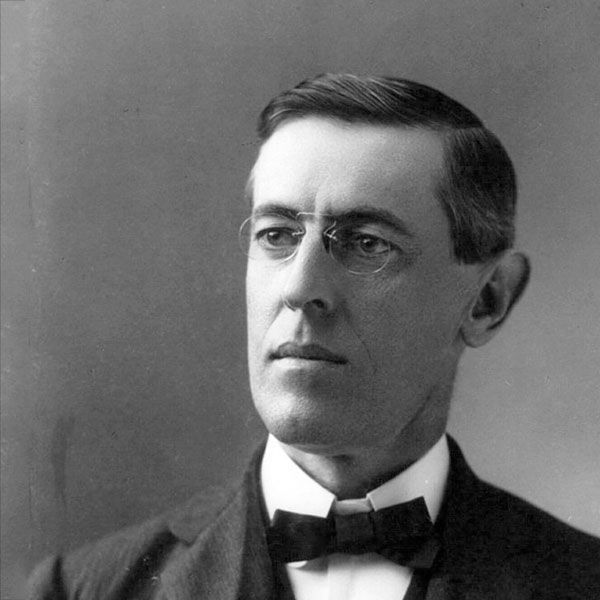
The Foundations of International Diplomacy: Woodrow Wilson
The trajectory of the Nobel Peace Prize in the early 20th century was inextricably linked to the aftermath of the First World War. Woodrow Wilson, the 28th President of the United States, was awarded the Nobel Peace Prize in 1919. His primary contribution was the conceptualization and establishment of the League of Nations, the first worldwide intergovernmental organization whose principal mission was to maintain world peace.
Wilson’s "Fourteen Points," presented to the United States Congress in January 1918, outlined a blueprint for post-war international relations. The subsequent creation of the League of Nations represented a paradigm shift from traditional balance-of-power politics toward a system of collective security. Despite the League’s eventual failure to prevent the Second World War—largely due to the United States’ refusal to join and the organization’s lack of an enforcement mechanism—Wilson’s efforts established the framework for modern international bodies, including the United Nations.
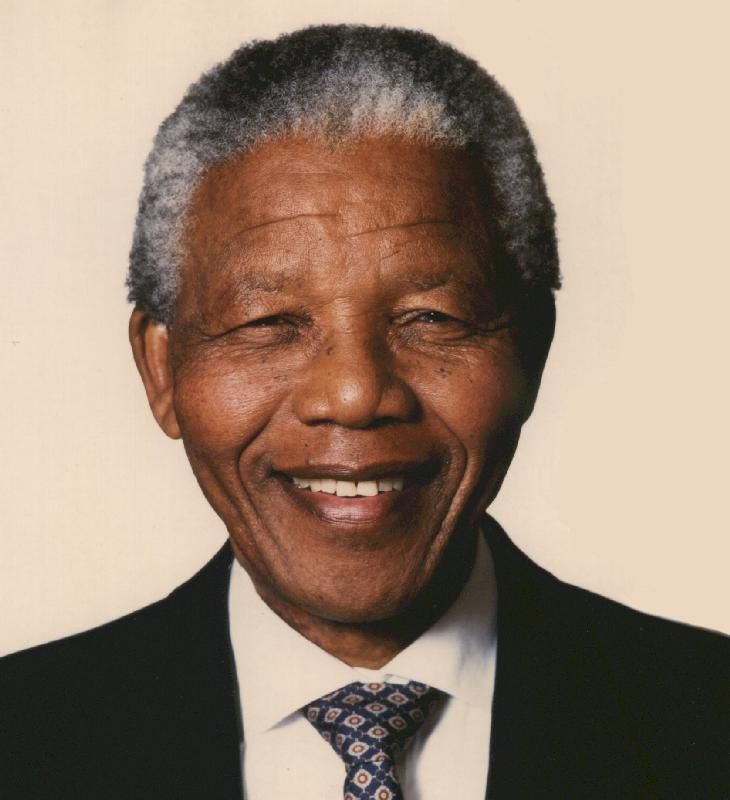
The Fight Against Institutionalized Injustice: Nelson Mandela
In 1993, the Nobel Peace Prize was awarded jointly to Nelson Mandela and F.W. de Klerk for their work for the peaceful termination of the apartheid regime in South Africa. Apartheid was a systemic policy of racial segregation and political disenfranchisement that defined South African society from 1948 until the early 1990s.
Mandela’s journey from a political prisoner to a global symbol of reconciliation remains one of the 20th century’s most significant political transformations. Following 27 years of incarceration, Mandela engaged in arduous negotiations with the National Party government to dismantle the racial caste system. His leadership was defined by a commitment to non-violent transition, which prevented a catastrophic racial civil war. The transition to a multiracial democracy in 1994, which saw Mandela elected as the first Black president of South Africa, underscored the efficacy of dialogue in addressing deep-seated societal trauma.
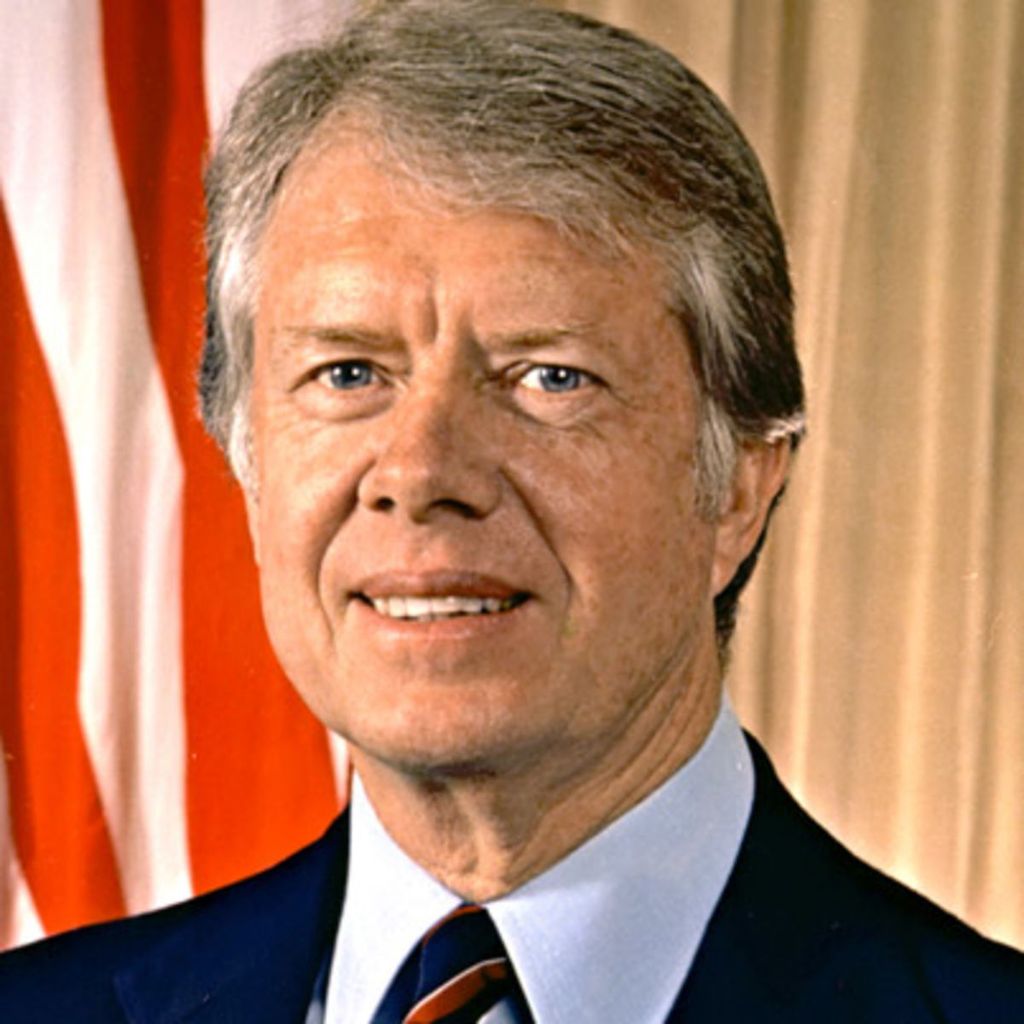
Mediating the Impossible: Jimmy Carter and the Middle East
Former U.S. President Jimmy Carter received the Nobel Peace Prize in 2002, long after his presidency concluded. The Norwegian Nobel Committee cited his decades of untiring effort to find peaceful solutions to international conflicts, to advance democracy and human rights, and to promote economic and social development.
Carter’s most notable diplomatic achievement was the 1978 Camp David Accords. By hosting Prime Minister Menachem Begin of Israel and President Anwar Sadat of Egypt, Carter facilitated a framework for peace that resulted in the 1979 Egypt-Israel Peace Treaty. This treaty remains a cornerstone of Middle Eastern stability, ending three decades of hostility between the two nations. Carter’s post-presidential career, through the Carter Center, further cemented his legacy as a global mediator, focusing on election monitoring and the eradication of tropical diseases, illustrating that the work of "peace" extends beyond state-level treaty signing.

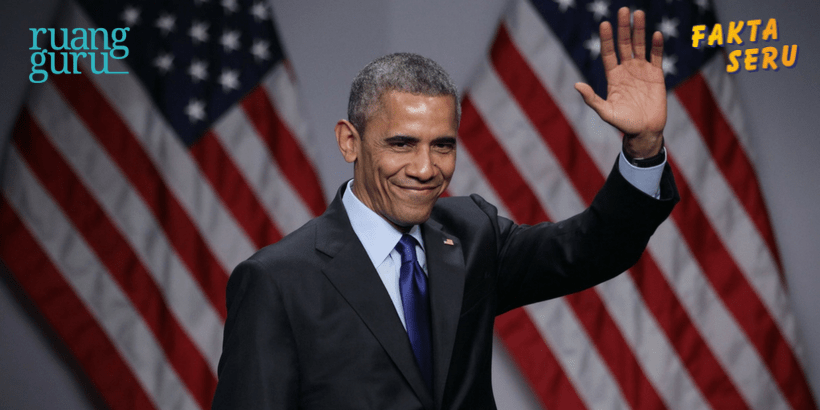
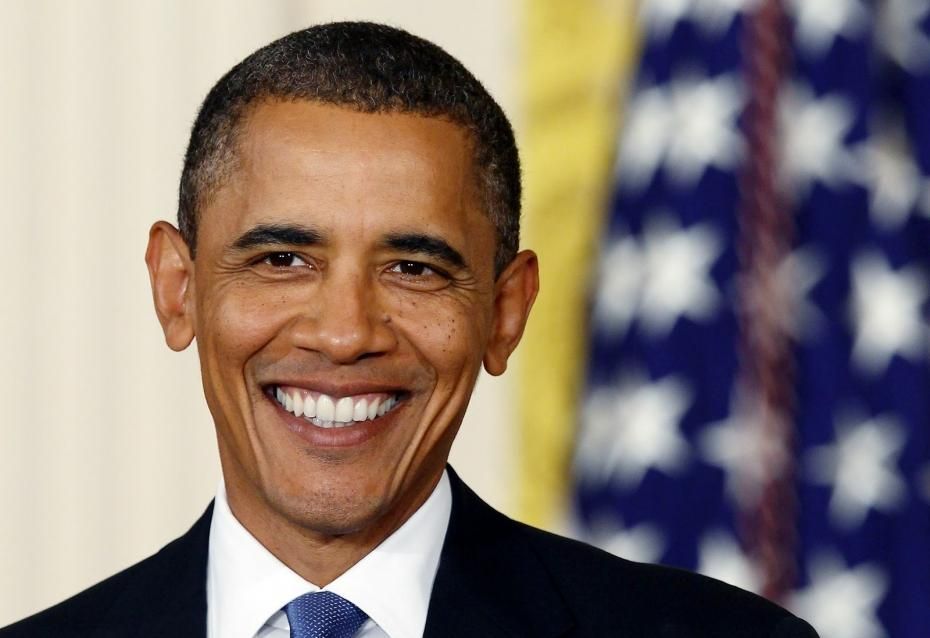
Nuclear Non-Proliferation and Global Cooperation: Barack Obama
In 2009, Barack Obama was awarded the Nobel Peace Prize less than a year into his first term as President of the United States. The committee highlighted his extraordinary efforts to strengthen international diplomacy and cooperation between peoples. Specifically, the award recognized his focus on nuclear non-proliferation and his commitment to a "world without nuclear weapons."
While the timing of the award drew criticism from those who felt it was premature, Obama’s administration utilized the momentum to push for the New START treaty with Russia and the initiation of talks that eventually led to the Joint Comprehensive Plan of Action (JCPOA) regarding Iran’s nuclear program. His tenure marked a shift toward multilateralism, attempting to pivot U.S. foreign policy from unilateral interventionism toward a framework of collective international engagement.
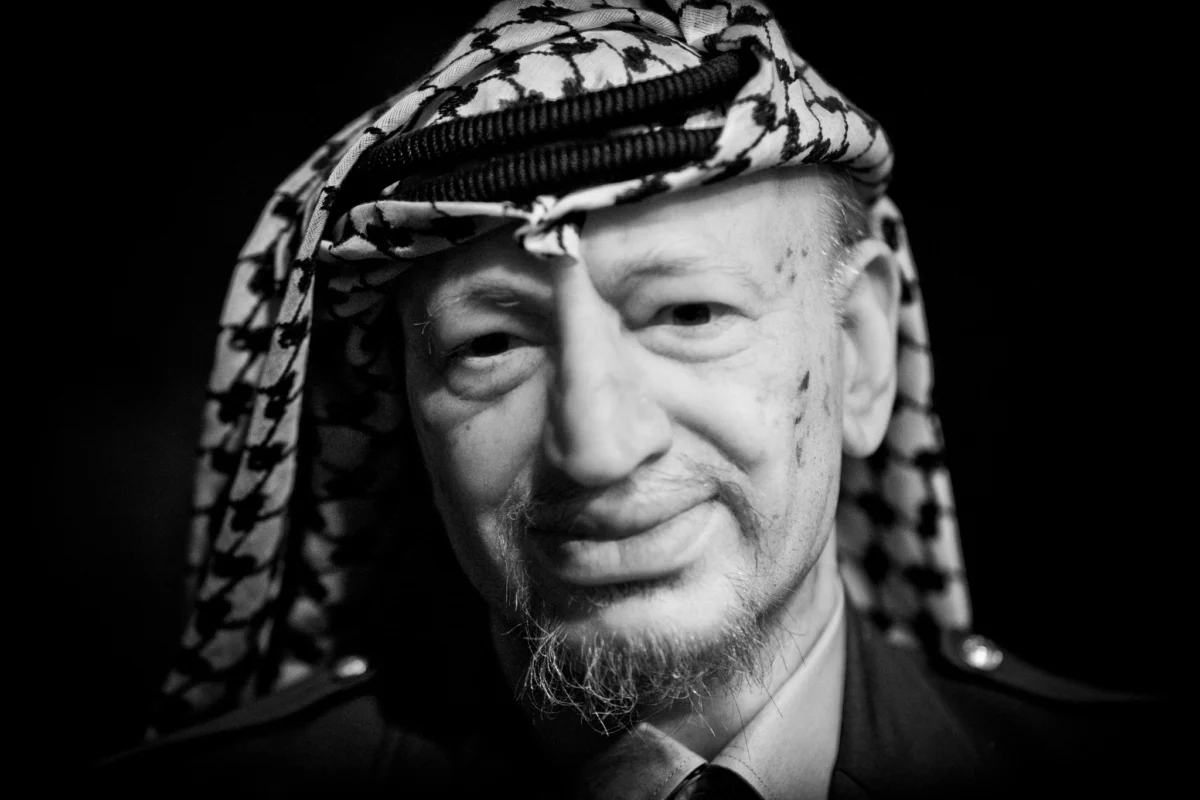
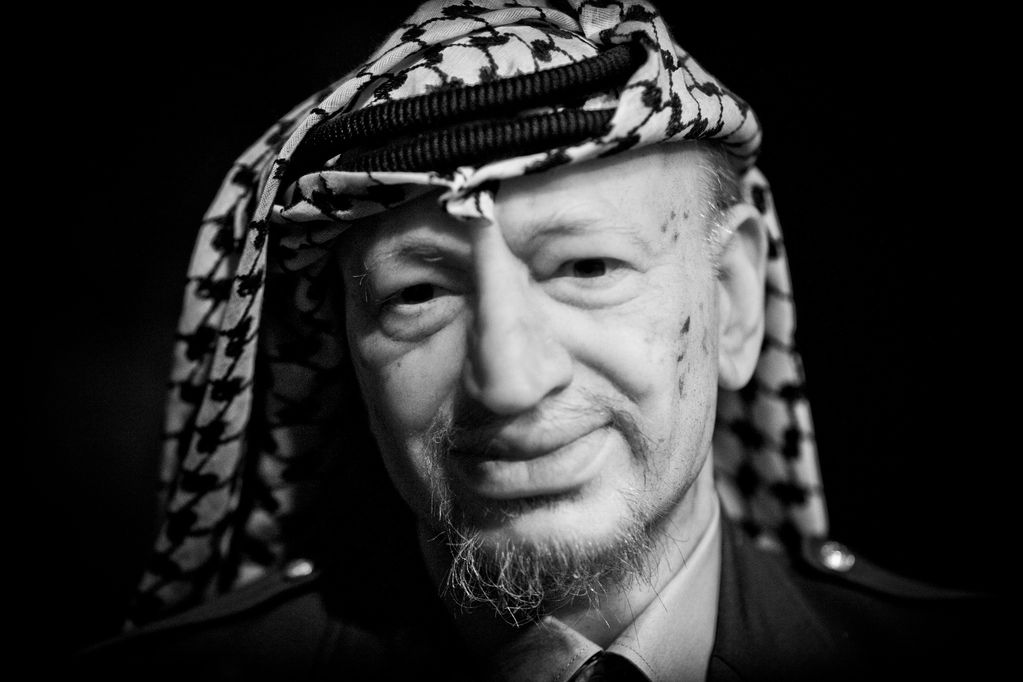
Navigating Fragile Peace in the Middle East: Yasser Arafat
The 1994 Nobel Peace Prize was awarded to Yasser Arafat, Shimon Peres, and Yitzhak Rabin for their efforts to create peace in the Middle East. The Oslo Accords, signed in 1993, represented the first direct, face-to-face agreement between the government of Israel and the Palestine Liberation Organization (PLO).
The agreement was intended to be a framework for a two-state solution, establishing the Palestinian Authority and granting limited self-governance in parts of the West Bank and Gaza Strip. While the process eventually stalled and failed to achieve a permanent resolution, the recognition of these leaders by the Nobel Committee emphasized the necessity of acknowledging political adversaries in the pursuit of peace. The volatility of this region continues to serve as a reminder of the fragility of diplomatic breakthroughs.
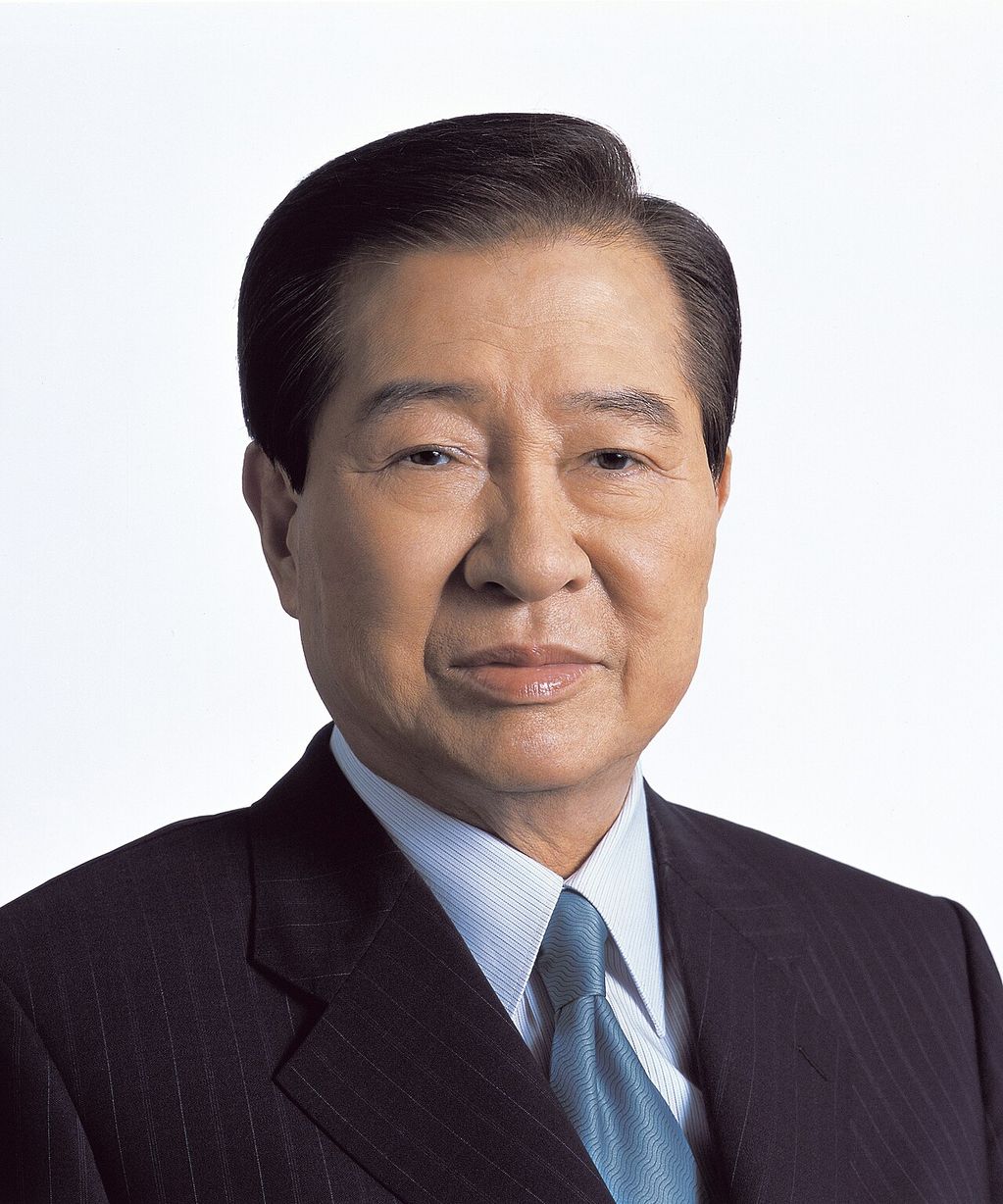
The Sunshine Policy and the Korean Peninsula: Kim Dae-jung
In 2000, South Korean President Kim Dae-jung was awarded the Nobel Peace Prize for his "Sunshine Policy" toward North Korea. For decades, the Korean Peninsula had remained in a state of technical war since the armistice of 1953. Kim’s policy was premised on the idea that engagement, rather than isolation, was the only pathway to long-term stability and eventual reunification.
Kim’s historic summit with North Korean leader Kim Jong-il in 2000 marked the first time the leaders of the two nations had met since the peninsula’s division. The policy led to the reunion of families separated by the war and increased economic cooperation through projects like the Kaesong Industrial Complex. Although the political climate on the peninsula has since fluctuated, Kim’s efforts provided a roadmap for de-escalation that remains a subject of study in international relations.
Ending the Longest Civil War: Juan Manuel Santos
In 2016, Colombian President Juan Manuel Santos was awarded the Nobel Peace Prize for his resolute efforts to bring more than 50 years of civil war to an end. The conflict between the Colombian government and the Revolutionary Armed Forces of Colombia (FARC) had claimed at least 220,000 lives and displaced nearly six million people.
The peace agreement, which was signed after years of negotiations in Havana, Cuba, represented one of the most complex peace-building exercises in modern history. Despite a narrow defeat in a national referendum, which forced a renegotiation of the terms, Santos demonstrated political perseverance in securing a final deal. The agreement included provisions for transitional justice, land reform, and the reintegration of combatants into civil society. It remains a definitive case study in how a state can navigate the transition from internal armed conflict to democratic stability.
Analytical Perspective: The Weight of the Nobel
The awarding of the Nobel Peace Prize to sitting or former heads of state is rarely without political friction. Critics often argue that the prize can be used as a political tool to influence current policy, while proponents maintain that recognizing the difficulty of peace-making is essential for global progress.
Statistically, the awarding of these prizes reflects the shifting priorities of the international community. In the early 20th century, the focus was largely on the formation of international institutions like the League of Nations. In the latter half of the century and into the 21st, the focus transitioned toward civil rights, the mitigation of internal civil wars, and the management of nuclear proliferation.
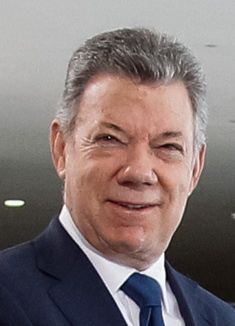
Ultimately, these seven leaders demonstrate that while the path to peace is often interrupted by political reality and historical grievance, the role of executive leadership is vital. Whether through the bold establishment of new international norms, as in the case of Wilson, or the arduous, incremental work of mediating civil strife, as seen with Santos and Mandela, these presidencies illustrate that the pursuit of global stability is a constant, evolving, and essential duty of governance. As the world faces new challenges in the 21st century, the legacy of these Nobel laureates serves as both a record of past achievements and a reminder of the persistent work required to maintain the global peace.