The rapid proliferation of generative artificial intelligence tools capable of producing high-resolution artwork, complex literary compositions, and sophisticated musical arrangements has ignited a global debate regarding intellectual property. As artists, developers, and enterprises increasingly incorporate algorithms into their creative workflows, courts and regulatory bodies worldwide are grappling with a foundational legal dilemma: Do outputs generated by artificial intelligence qualify for copyright protection? In Indonesia, the Directorate General of Intellectual Property (DGIP) under the Ministry of Law has articulated a definitive stance. While autonomous AI-generated output remains unprotected, works that utilize AI strictly as a tool under substantial human guidance may secure legal safeguards, setting a nuanced precedent for the digital age.
The Legal Definition of Authorship Under Indonesian Law
At the heart of Indonesia’s regulatory approach is the foundational principle that copyright is inherently tied to human creation. According to Law Number 28 of 2014 concerning Copyright, an author is strictly defined as a human being. This statutory definition serves as the legal bedrock for the government’s current policy regarding synthetic media.

When a system operates autonomously—generating text, images, or code without direct human intervention beyond a basic initialization prompt—the output fails to meet the legal threshold of authorship. Consequently, purely autonomous AI creations reside in the public domain under Indonesian jurisdiction, lacking the exclusive commercial and moral rights afforded to human creators. This interpretation aligns with international intellectual property offices, including the United States Copyright Office and the European Union Intellectual Property Office, which have similarly denied copyright registration to works lacking human authorship.
The Spectrum of Human Contribution: When AI Acts as a Tool
While autonomous generation is excluded from copyright eligibility, Indonesian regulatory authorities recognize that modern creative workflows frequently integrate advanced software. The crucial distinction lies in the extent of intellectual contribution made by the human operator.
If a creator utilizes artificial intelligence merely as an advanced brush or a drafting assistant, the resulting work may still enjoy full copyright protection, provided the human input is substantial. Legal experts and regulatory authorities evaluate several distinct milestones within the creative process to determine sufficient human contribution:

- Conceptualization and Prompt Engineering: The originality of the initial prompt, conceptual design, and structural planning formulated by the human creator.
- Iterative Direction and Editing: The extent of post-processing, manual corrections, structural alterations, and artistic curation applied to the raw AI output.
- Personal Expression: The injection of subjective human emotion, distinct personal style, and specialized editing that transforms the algorithmic output into a unique expression.
- Statutory Eligibility: Verification that the final composite work falls squarely within the categories traditionally recognized and protected under national copyright statutes.
Merely inputting a generic command into a generative model and accepting the unedited output does not fulfill these criteria. The human must remain the indispensable architect of the final expression.
Global and Domestic Chronology of AI Copyright Disputes
The intersection of generative AI and intellectual property rights has accelerated dramatically over the past several years, shifting from theoretical discussions to high-stakes legal battles:
- 2022 to 2023: The explosive public release of commercial generative models, such as OpenAI’s GPT-4, Midjourney, and Stable Diffusion, sparked a surge in user-generated synthetic content, overwhelming intellectual property registries globally.
- Mid-2023: Major international courts began issuing landmark decisions clarifying that unedited AI output cannot be copyrighted, citing the absolute requirement of human authorship.
- 2024 to 2025: Creators and media publishers globally initiated class-action lawsuits against major tech conglomerates, alleging the unauthorized harvesting of copyrighted literary, artistic, and musical works to train proprietary machine learning models.
- 2026: Regulatory bodies, including Indonesia’s DGIP, stepped up efforts to formulate comprehensive legislative updates to address both output copyrightability and input data scraping.
The Emerging Regulatory Frontier: The Draft Copyright Law
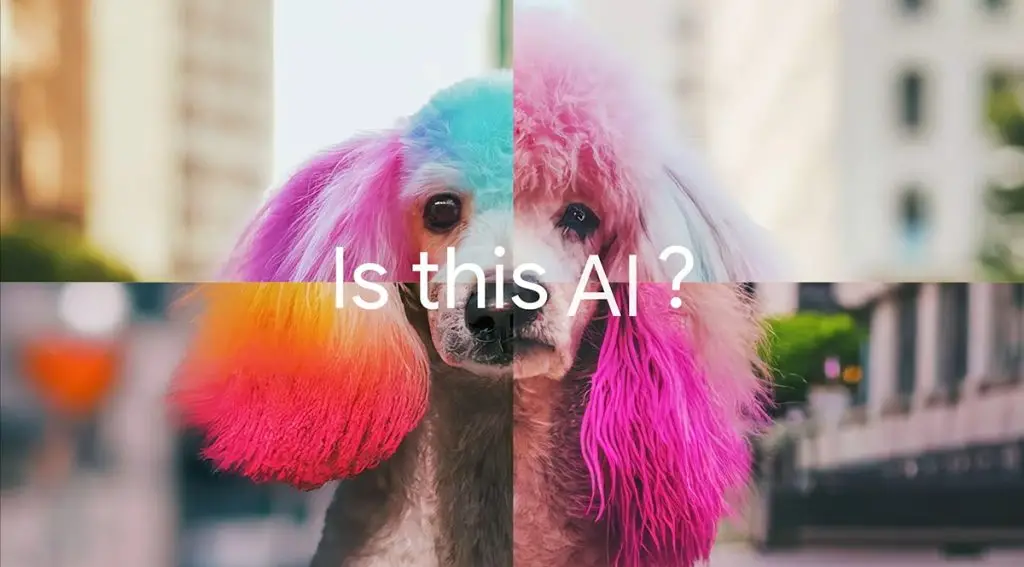
Beyond the question of who owns the output of an AI model, regulators are increasingly focused on the input side of the technological equation. The practice of "data scraping"—wherein developers ingest massive volumes of copyrighted text, images, and code from the internet to train machine learning models without explicit authorization or financial compensation—has become a major point of contention for creative industries.
In response to these systemic challenges, the Indonesian government is actively developing comprehensive structural enhancements through the upcoming Draft Copyright Law (Rancangan Undang-Undang Hak Cipta or RUU HC). This legislative initiative aims to close existing regulatory gaps by addressing several critical areas:
- Training Data Compliance: Establishing clear statutory norms that require commercial AI developers to secure explicit licenses and provide fair financial compensation to copyright holders whose works are utilized in training datasets.
- Statutory Status of AI-Assisted Works: Codifying explicit evidentiary standards to determine the exact threshold of human intellectual contribution required for a hybrid work to secure registration.
- Mandatory Transparency and Labeling: Enforcing strict labeling mandates for commercial entities and content creators to transparently disclose when digital media has been substantially generated or altered by artificial intelligence.
Economic and Industrial Implications for Creators
The ongoing evolution of copyright policy carries profound implications for Indonesia’s creative economy, which contributes significantly to the national GDP through software development, graphic design, advertising, and digital publishing.

For commercial enterprises and independent creators alike, the lack of copyright protection for autonomous AI output introduces notable financial risks. Businesses that rely on unedited generative models to produce marketing assets, logos, or software code may find themselves unable to legally prevent competitors from duplicating or utilizing those exact assets, as the material cannot be legally claimed as proprietary intellectual property.
Conversely, legal certainty surrounding AI-assisted human creation empowers local creators to safely adopt cutting-edge software to boost productivity without sacrificing their legal protections. By positioning artificial intelligence as a sophisticated tool rather than a legal rival, policymakers aim to foster technological innovation while simultaneously safeguarding the livelihoods of human artists and writers.
Outlook and Future Trajectory
As artificial intelligence systems continue to advance in complexity and autonomy, the boundary between human creativity and machine generation will inevitably face further scrutiny. Indonesia’s regulatory framework reflects a balanced approach: safeguarding the foundational principle of human authorship while remaining flexible enough to accommodate technological integration within professional workflows.

For creators operating within this transitional landscape, understanding the legal distinctions between autonomous generation and human-directed AI utilization is essential. Ensuring that human intervention remains the decisive factor in the creative process is not only the key to securing statutory copyright protection in Indonesia, but also the vital practice that preserves the authenticity of human expression in an increasingly automated world.