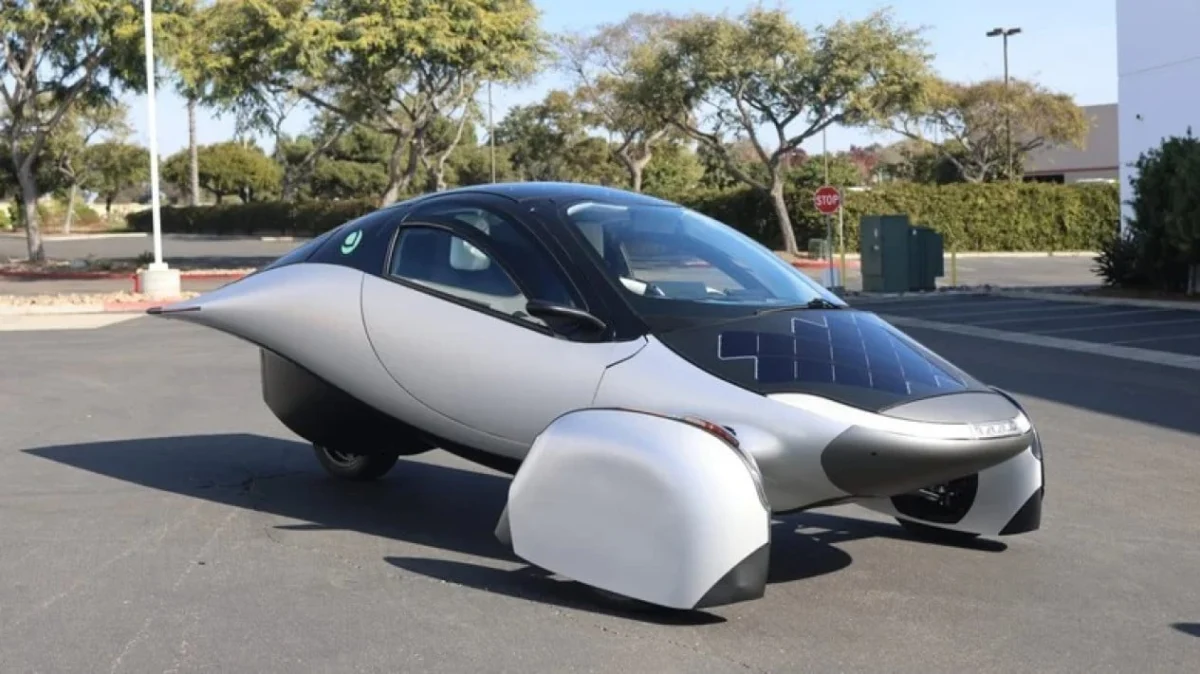
The global automotive industry is on the cusp of a transformative shift, as solar-powered vehicles, long confined to the realm of conceptual designs and experimental prototypes, prepare to enter mass production, heralding a new era of sustainable mobility. This innovation is widely anticipated to offer a dual solution to pressing global challenges: mitigating the escalating energy crisis and substantially reducing carbon emissions. The projected timeline for this significant leap forward points to late 2026, with pioneering companies like California-based Aptera Motors leading the charge towards mainstream adoption.
The Dawn of Solar Mobility: A Historical Perspective
The concept of harnessing solar energy to propel vehicles is far from new. Early attempts date back decades, with rudimentary solar-powered cars often appearing in academic competitions or as experimental showcases. These initial endeavors, while demonstrating the feasibility of the concept, were largely hampered by significant technological limitations. Solar panels of yesteryear possessed low energy conversion efficiencies, were bulky, and prohibitively expensive. Battery technology, crucial for storing excess solar energy and enabling nighttime or low-light operation, was similarly underdeveloped, offering limited capacity and long charging times. Consequently, these early solar vehicles were often slow, had limited range, and were impractical for everyday use, relegating them to niche applications or scientific curiosities.
However, the past two decades have witnessed an unprecedented acceleration in technological advancements that have fundamentally altered the landscape for solar mobility. Breakthroughs in photovoltaic (PV) cell technology have been particularly instrumental. Modern solar panels boast significantly higher efficiency rates, capable of converting a greater percentage of sunlight into usable electricity. This efficiency gain is critical for automotive applications where surface area for panel integration is limited. Furthermore, these new-generation panels are lighter, more durable, and increasingly cost-effective to produce, making their integration into vehicle designs more viable than ever before. Simultaneously, the relentless progress in battery technology, primarily driven by the electric vehicle (EV) revolution, has yielded high-capacity, energy-dense, and fast-charging lithium-ion batteries that can store substantial amounts of solar energy, ensuring vehicles can operate reliably even when direct sunlight is unavailable.
Aptera Motors: Spearheading the Solar EV Revolution
Among the companies at the forefront of this nascent industry, Aptera Motors stands out with its audacious vision and distinctive approach. The California-based startup has been meticulously developing its unique solar-electric vehicle (SEV) for years, aiming to redefine personal transportation. Unlike conventional electric vehicles that rely solely on grid charging, Aptera’s design integrates advanced solar panels directly into its aerodynamic body, enabling the vehicle to generate a significant portion, and in some use cases, all, of its required energy directly from the sun.
The company’s journey began with a clear objective: to create the most energy-efficient vehicle possible. This philosophy is evident in every aspect of their design. Their three-wheeled configuration, teardrop shape, and lightweight composite materials contribute to an exceptionally low drag coefficient and overall vehicle mass, drastically reducing energy consumption compared to traditional four-wheeled automobiles. This hyper-efficiency is a cornerstone of their strategy, allowing even a modest amount of solar energy to translate into meaningful range.
Technological Marvels: Efficiency and Design Integration
The technological heart of Aptera’s vehicle lies in its sophisticated integration of advanced solar photovoltaics and cutting-edge battery systems. The surface of the vehicle is largely covered with high-efficiency solar cells, engineered to absorb solar energy optimally, even under less-than-ideal weather conditions or partial shading. This distributed solar array continuously feeds power to the vehicle’s battery pack. The energy collected is then stored in advanced, high-capacity battery units, designed to provide ample range for daily commuting and extended journeys. This allows the vehicle to operate consistently, drawing power from its internal reserves during nighttime hours or periods of limited solar irradiance.
A key differentiator for Aptera is its promise of "never charge" capability for many users. The company claims that for typical daily commutes, the integrated solar panels can generate enough energy to cover the vehicle’s needs, effectively liberating owners from reliance on external charging infrastructure. While conventional charging ports are included for longer trips or specific user preferences, the core appeal lies in the potential for energy independence, a feature that could profoundly impact vehicle ownership economics and convenience.
The Road to Mass Production: A Detailed Timeline
Aptera Motors’ ambition to transition from prototype to mass production is a testament to years of dedicated research, development, and strategic planning. The company first opened reservations for its innovative solar-electric vehicle in 2020, generating substantial interest and accumulating approximately 50,000 pre-orders to date, underscoring significant market demand for such a revolutionary product.
- 2020: Initial reservations opened, gauging early consumer interest and providing crucial early-stage capital. This phase allowed Aptera to refine its design based on feedback and market expectations.
- 2021-2024: Extensive research and development, including advanced aerodynamic testing, material science innovation for lightweight composites, and iterative prototyping. During this period, Aptera showcased various alpha and beta prototypes, demonstrating the vehicle’s capabilities and attracting further investment.
- 2025: A pivotal year for the company, Aptera Motors successfully listed on the NASDAQ stock exchange. This public offering provided a substantial influx of capital, critical for scaling operations, investing in manufacturing infrastructure, and strengthening supply chain partnerships. The NASDAQ listing also raised the company’s profile, attracting more significant investor and supplier attention.
- Late 2026 Target: The company aims to commence mass production of its long-awaited premiere edition models by the end of 2026. This target represents a significant milestone, marking the culmination of years of engineering and strategic execution.
To meet this aggressive production schedule, Aptera has been systematically enhancing its operational capabilities. Their manufacturing facility in Carlsbad, California, is currently engaged in producing validation units. These pre-production vehicles are crucial for rigorous road testing, ensuring that the final design meets all safety standards, performance metrics, and regulatory requirements before full-scale manufacturing begins. The manufacturing process itself is being developed in stages, with an optimized system targeting an output of approximately 40 vehicles per shift once fully operational. This phased approach allows for continuous refinement of the production line and quality control protocols.
Furthermore, Aptera has initiated the construction of its validation assembly line. This critical phase represents a definitive transition from manual prototype construction to a more structured and automated production system. It is a necessary intermediate step, bridging the gap between bespoke engineering builds and the high-volume efficiencies required for full mass production. This line will validate assembly processes, tooling, and supply chain integration, ensuring consistency and quality in the final product.
Funding, Partnerships, and Market Reception
The journey from concept to mass production for an automotive startup is inherently capital-intensive. Aptera’s success in attracting significant investment, particularly through its 2025 NASDAQ listing, highlights growing investor confidence in the solar EV market and the company’s unique value proposition. The public offering not only provided necessary funding but also enhanced transparency and governance, further appealing to institutional investors and strategic partners.
Beyond direct investment, Aptera has focused on forging robust relationships with key suppliers and technology partners. These collaborations are essential for securing critical components, leveraging specialized manufacturing expertise, and ensuring the scalability of their production. The interest from approximately 50,000 pre-order holders underscores a vibrant market appetite for innovative, sustainable transportation solutions. This strong pre-order book provides a solid foundation for initial sales and signals to investors and partners the significant demand for Aptera’s offering.
Performance and Efficiency Claims: A New Benchmark
Aptera’s vehicle promises to set new benchmarks in automotive efficiency. The combination of its lightweight construction, ultra-low aerodynamic drag, and integrated solar charging capabilities translates into impressive performance figures. The company’s testing and claims suggest that the vehicle can achieve tens of kilometers of range daily solely from solar energy, depending on geographical location and sunlight exposure. When combined with its high-capacity battery pack and conventional charging options, the total range extends to hundreds of kilometers, rivaling and in many cases surpassing, that of many contemporary electric vehicles.
This emphasis on efficiency is not merely about extending range; it’s about fundamentally altering the energy consumption profile of personal transportation. By reducing the need for frequent grid charging, Aptera aims to lessen the strain on electrical grids, particularly during peak demand, and empower users with greater energy autonomy.
Broader Implications: Environmental, Economic, and Infrastructural Impact
The mass production of solar-powered vehicles, epitomized by Aptera’s endeavors, carries profound implications across multiple sectors.
- Environmental Impact: The most immediate and significant benefit is the potential for drastically reduced carbon emissions. By drawing energy directly from the sun, solar EVs minimize reliance on fossil fuel-derived electricity, even from grids that still utilize a high proportion of non-renewable sources. This directly contributes to global efforts to combat climate change and improve air quality in urban centers. Furthermore, the inherent efficiency of these vehicles means less energy is consumed overall, leading to a smaller environmental footprint throughout their lifecycle.
- Economic Impact: The emergence of a new automotive segment will undoubtedly spur economic growth. This includes the creation of new jobs in manufacturing, research and development, sales, and maintenance. It could also drive innovation in related industries, such as advanced materials, solar technology, and battery storage. For consumers, the promise of reduced operating costs—less money spent on fuel or electricity bills—presents a compelling economic incentive, potentially democratizing access to sustainable transportation.
- Infrastructural Impact: While the widespread adoption of solar EVs might reduce the immediate pressure on charging infrastructure, it also necessitates a reevaluation of energy grid management. If a significant portion of vehicles can generate their own power, it could lead to more decentralized energy systems and potentially even vehicle-to-grid (V2G) capabilities, where cars could feed excess power back into the grid. This future scenario would require sophisticated smart grid technologies and regulatory frameworks.
Challenges and Future Outlook
Despite the immense promise, the path to widespread solar EV adoption is not without its challenges.
- Scalability: Mass production at automotive scale is complex and capital-intensive. Aptera and other pioneers must navigate the intricacies of supply chain management, quality control, and efficient manufacturing processes to meet demand and maintain profitability.
- Cost: While long-term operating costs may be lower, the initial purchase price of innovative solar EVs could be a barrier for some consumers. As technology matures and production scales, costs are expected to decrease, but early adopters will likely pay a premium for cutting-edge technology.
- Public Acceptance and Education: The unique design (e.g., three wheels) and operational characteristics of solar EVs will require a shift in consumer perception and education. Overcoming ingrained preferences for traditional vehicle designs and effectively communicating the benefits of solar charging will be crucial.
- Regulatory Frameworks: Governments and regulatory bodies will need to adapt existing automotive standards and develop new ones to accommodate solar-powered vehicles, particularly concerning safety, efficiency ratings, and potential grid interactions.
- Geographical Limitations: The efficiency of solar charging is inherently dependent on sunlight availability, which varies by geographical location and season. While Aptera’s design accounts for this, the "never charge" promise will be more readily achievable in sunnier regions, influencing market penetration.
Nevertheless, the trajectory of technological advancement and the increasing global imperative for sustainable solutions suggest a bright future for solar-powered vehicles. Aptera’s commitment to mass production by late 2026 represents a critical inflection point, moving solar mobility from a futuristic concept to a tangible reality. As more companies enter this space and technology continues to evolve, solar-powered cars are poised to play an increasingly vital role in shaping the future of transportation, offering a cleaner, more energy-independent, and ultimately, more sustainable way to move. The automotive revolution has truly begun, powered by the sun.