The cinematic landscape of 2027 is poised for a significant nostalgic resurgence as production for the long-awaited fourth installment of The Mummy franchise officially shifts into high gear. On Monday, September 28, the entertainment industry witnessed the highly anticipated reunion of Brendan Fraser and Rachel Weisz on set, signaling the definitive return of the beloved Rick O’Connell and Evelyn Carnahan duo. Captured by cameras at various locations across the United Kingdom, the production marks a pivotal moment for Universal Pictures as it seeks to revitalize a franchise that has remained dormant in its original iteration for nearly two decades.
Production Highlights and Set Sightings
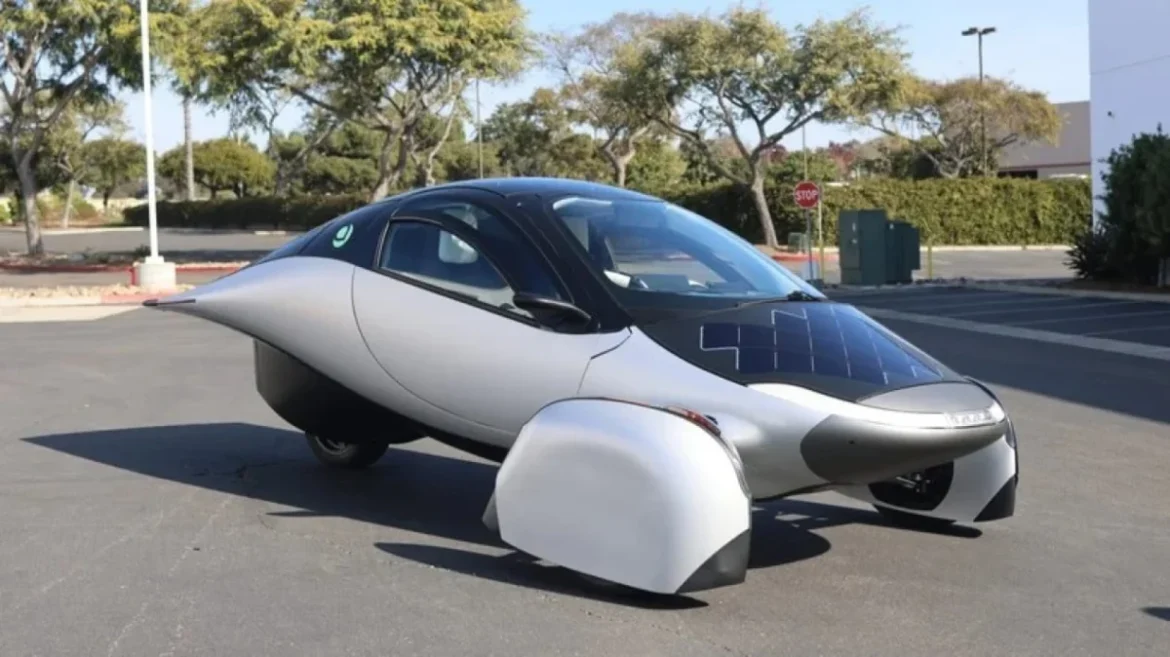
The production team has utilized diverse locations to capture the film’s high-stakes atmosphere. Brendan Fraser, 57, was spotted at a former military facility in Suffolk, where he appeared fully immersed in his character. Dressed in signature black leather attire, Fraser was observed operating a high-speed silver-and-red rocket car, an element that suggests the film will maintain the high-octane, adventurous spirit characteristic of the 1999 original and its immediate sequel. On-set reports indicate that Fraser’s performance was met with enthusiasm from his colleagues, as he engaged with fellow cast members during breaks in the high-speed testing sequences.
Simultaneously, Rachel Weisz was photographed in London, filming sequences in the vicinity of the iconic British Museum. Her aesthetic, characterized by a mustard-yellow polka-dot midi skirt, a cropped brown jacket, and period-appropriate accessories, indicates that the film may lean into the historical charm that defined the earlier entries. Observers noted that Weisz was seen utilizing a prop camera, hinting at a scene where her character, the erudite Egyptologist Evelyn Carnahan, continues her exploration of historical mysteries.
A Chronology of a Franchise Rebound
The path to The Mummy 4 has been complex, spanning nearly twenty years of speculation and creative shifts. The franchise, which became a global phenomenon in the late 90s and early 2000s, underwent a significant change in 2008 with The Mummy: Tomb of the Dragon Emperor. While that film featured Fraser, it famously lacked the presence of Rachel Weisz, who was replaced by Maria Bello—a creative choice that many fans and critics identified as a turning point that diminished the series’ core chemistry.
Following the lukewarm reception of the 2008 sequel, the franchise attempted a total reboot in 2017 with a film starring Tom Cruise. That iteration, designed to launch a "Dark Universe" of interconnected monster movies, failed to resonate with audiences who felt the tone was too dark and lacked the swashbuckling, lighthearted adventure that defined the original trilogy. The failure of the 2017 reboot effectively stalled the franchise until February 2026, when Universal Pictures officially confirmed that Fraser and Weisz would return to headline a new, direct continuation of the series.
Creative Vision and Directorial Leadership
Universal Pictures has entrusted the project to the directing duo Matt Bettinelli-Olpin and Tyler Gillett. Known for their work on modern genre-defining hits like Ready or Not and the recent Scream franchise, their involvement suggests a commitment to blending visceral action with a reverence for the source material. The screenplay, penned by David Coggeshall—the writer behind Orphan: First Kill—is expected to navigate the difficult balance of satisfying long-time fans while introducing the franchise to a new generation of moviegoers.
Brendan Fraser has been vocal about his desire to return to the role that defined his career. During an interview in November 2025 with the Associated Press, the Academy Award winner described this project as the culmination of two decades of anticipation. "I have been waiting twenty years for this call," Fraser remarked. He has been particularly candid about his past frustrations with the direction of the 2008 sequel, noting that the shift in location to China, while commercially driven, strayed from the narrative vision he and his original collaborators had cultivated.
Industry Implications and Franchise Legacy
The decision to bring back the original leads is a strategic maneuver by Universal, reflecting a broader industry trend of "legacy sequels." By reuniting the original cast, the studio is capitalizing on the massive, ongoing popularity of the 1999 The Mummy, which has enjoyed a sustained cult following on streaming platforms.
The broader franchise history remains extensive, including the spin-off series The Scorpion King, which launched the career of Dwayne Johnson and spanned five films. However, the foundational roots of the narrative trace back to the 1932 black-and-white classic directed by Karl Freund. By grounding the fourth film in the narrative continuity established by the 1999–2001 era, Universal is clearly aiming to reclaim the "fun-adventure" brand identity that defined the series at its peak.
Economically, the success of this project could determine the future of Universal’s "monster" intellectual properties. Should The Mummy 4 achieve the box office milestones expected of a major studio tentpole, it may provide the blueprint for how other classic franchises can be successfully revived without resorting to full-scale reboots that alienate established fanbases.
Analysis of the Production Environment
The logistics of this production appear to be meticulously planned to ensure authenticity. By shooting on location at the British Museum and repurposing historical military infrastructure, the creative team is signaling an intent to prioritize practical sets and tangible environments over an over-reliance on computer-generated imagery. This approach aligns with the current audience preference for "grounded" blockbuster filmmaking, a sentiment that has contributed to the success of other recent high-budget legacy projects.
Furthermore, the casting of Weisz is widely seen as the most critical element for the film’s success. Her return is not merely a cameo but a central component of the story, serving as the emotional anchor that was missing in the later years of the franchise. The chemistry between Fraser and Weisz, which was the backbone of the original film’s critical success, is the primary variable that Universal is betting on to drive international box office returns.
Future Outlook and Anticipation
As the production moves toward its final stages, the anticipation continues to build among the global fanbase. Social media channels have been flooded with images from the set, with audiences expressing relief and excitement at seeing the iconic duo together once more. The film is currently slated for a worldwide release on October 15, 2027.
The journey from the 1932 original to the 2027 revival encapsulates the evolution of the action-adventure genre. The Mummy has transitioned from a gothic horror classic to a blockbuster action franchise, and now, to a legacy project that bridges generations. While the industry is often prone to repeating past mistakes through unnecessary remakes, the specific choice to reunite the original creative team suggests that Universal has learned from the lessons of the 2017 reboot.
The production of The Mummy 4 is more than just a return to a popular title; it is an acknowledgment of the irreplaceable chemistry of the original cast and the enduring appeal of the specific tone they established. Whether the film can replicate the magic of the late 90s remains to be seen, but the clear commitment to character, narrative continuity, and practical filmmaking suggests that Universal is taking the right steps to honor the franchise’s legacy. For now, fans and industry analysts alike will be watching closely as the production concludes, awaiting the first official trailer that will confirm whether Rick and Evelyn can truly reclaim the magic of the desert once again.