The global motorcycle market witnessed a strategic shift on September 11, 2026, as Yamaha Motor Co., Ltd. officially launched the Fuzzy 125, a new scooter model designed to blend retro aesthetics with modern urban utility. Debuting initially in the Chinese market, the Fuzzy 125 represents Yamaha’s deliberate attempt to capture the growing demographic of city dwellers who prioritize maneuverability, ergonomic comfort, and minimalist design over the aggressive, sporty styling that has dominated the manufacturer’s lineup for the past decade. Priced at 11,580 yuan—approximately equivalent to 43 million VND or roughly $1,600 USD—the vehicle is positioned as a competitive entry-level option in the highly saturated 125cc segment.
Design Philosophy and Aesthetic Departure
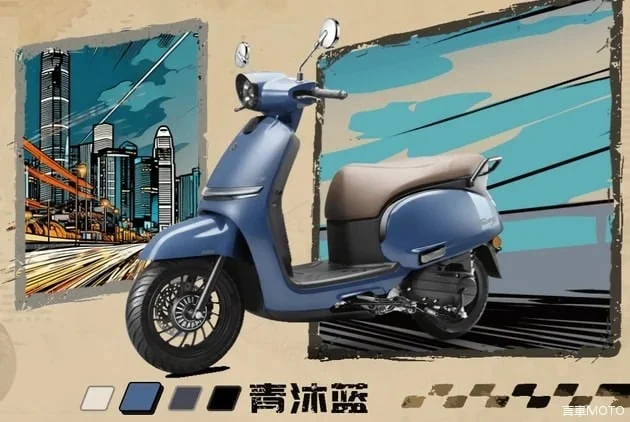
The Yamaha Fuzzy 125 marks a departure from the "Max" series design language—characterized by sharp lines, aerodynamic fairings, and an aggressive stance—that has defined much of Yamaha’s recent portfolio. Instead, the Fuzzy 125 leans into the "neo-retro" trend currently surging in Asian and European markets. The scooter features a prominent circular headlight, soft, flowing body panels, and a flat floorboard that maximizes legroom and storage flexibility.
The decision to adopt a more neutral design profile is a calculated move to broaden the model’s appeal. By moving away from hyper-masculine or overtly sporty styling, Yamaha aims to target a wider range of commuters, including students, office workers, and urban delivery professionals. The inclusion of a sturdy rear grab handle and a minimalist instrument cluster reinforces the vehicle’s utility-first identity. With a seat height of 765 mm and a total curb weight of only 108 kg, the Fuzzy 125 is engineered for accessibility, ensuring that riders of various heights and physical builds can maneuver the bike with confidence in dense traffic environments.
Technical Specifications and Performance Metrics
Beneath its retro-inspired exterior, the Fuzzy 125 is equipped with a 125cc engine specifically tuned for the stop-and-go nature of urban transit. While Yamaha has not released the full power output figures, the engine is designed to optimize fuel efficiency and low-end torque. The inclusion of a 7-liter fuel tank is significant for this class of scooter, offering a range that minimizes the frequency of refueling stops for daily commuters—a key selling point in cities where infrastructure is increasingly congested.
The chassis dimensions include a 1,285 mm wheelbase and 12-inch wheels, a configuration selected to strike a balance between high-speed stability and low-speed agility. These specifications align with current industry standards for compact urban mobility, where the ability to navigate tight corners and filter through gridlock is often valued more highly than raw top-end speed. The braking system and suspension components, while standard for the 125cc class, have been calibrated to handle the varied road surfaces typical of metropolitan infrastructure.
Market Context and Strategic Launch Timeline
The launch of the Fuzzy 125 follows a series of market shifts that have prompted major manufacturers to rethink their small-displacement offerings. Over the past three years, rising fuel costs and an increased focus on "last-mile" transportation solutions have intensified competition in the 125cc sector.
In early 2025, industry analysts noted a cooling trend in the high-performance sport scooter segment, with consumers shifting their preference toward vehicles that offer higher reliability, lower maintenance costs, and a more approachable aesthetic. Yamaha’s decision to introduce the Fuzzy 125 in China—the world’s largest market for two-wheelers—serves as a testing ground for this new design direction. If successful, the model is expected to influence Yamaha’s global product roadmap, potentially seeing a rollout in Southeast Asian markets such as Vietnam, Thailand, and Indonesia by late 2027.
Industry Analysis: The Shift Toward Utility and Minimalism
The introduction of the Fuzzy 125 reflects a broader trend in the automotive industry known as "utilitarian minimalism." As urban centers become increasingly densely populated, the functional requirements of personal transport have evolved. Today’s consumer demands a vehicle that functions as an extension of the urban living experience rather than a separate recreational object.
Fact-based analysis suggests that the 125cc segment remains the most resilient category in the two-wheeler industry. According to recent market reports, global sales for 125cc scooters have seen a steady year-over-year growth of approximately 4.2%. By pricing the Fuzzy 125 at 11,580 yuan, Yamaha is positioning the bike to compete directly with budget-friendly models from established domestic Chinese manufacturers and global rivals such as Honda and Piaggio, both of which have recently refreshed their own retro-inspired lineups.
The "retro" element is not merely a stylistic choice; it is a branding strategy intended to create an emotional connection with consumers who view their scooter as a fashion accessory. The choice of colors, which range from muted earth tones to classic primary colors, underscores the attempt to frame the Fuzzy 125 as a lifestyle product rather than a strictly utilitarian machine.
Implications for the Competitive Landscape
The launch of the Fuzzy 125 carries several implications for the competitive landscape of the light-motorcycle sector:
- Erosion of Niche Barriers: By designing a "gender-neutral" vehicle, Yamaha is effectively collapsing the traditional distinction between "masculine" and "feminine" scooter designs. This is expected to put pressure on competitors to diversify their own aesthetics or risk appearing outdated.
- Standardization of Convenience: Features like the flat floorboard and the 7-liter tank capacity set a new baseline for what consumers expect in the entry-level segment. Competitors failing to match these convenience features may find it difficult to justify their price points in the coming fiscal quarters.
- Strategic Regional Focus: The focus on China indicates that Yamaha is prioritizing market share in regions with high adoption rates for electric and internal combustion scooters. This could lead to an accelerated production schedule for future models, as Yamaha attempts to maintain its position as a global leader in the segment.
Official Stance and Future Outlook
While Yamaha has remained tight-lipped regarding specific sales targets for the Fuzzy 125, the company’s recent press materials emphasize a commitment to "smart, simple, and sustainable mobility." Industry observers suggest that the company is taking a cautious, data-driven approach to the launch. By limiting the initial release to a single version with select colorways, Yamaha is likely managing inventory risk while gauging consumer reaction to the model’s design and price point.
If the Fuzzy 125 achieves the desired penetration in the Chinese market, industry experts anticipate a rapid expansion of the line, possibly including performance-oriented variants or electric-hybrid versions in the future. The company’s focus on long-term sustainability suggests that the platform could eventually serve as a chassis for future electrification efforts, aligning with Yamaha’s global goal of achieving carbon neutrality across its product line by 2050.
Conclusion: A Strategic Pivot
The launch of the Yamaha Fuzzy 125 is a clear indication that even established industry giants must adapt to the evolving demands of the modern urban commuter. By eschewing the aggressive, hyper-technical design language that dominated the last decade, Yamaha has signaled a move toward a more inclusive, functional, and aesthetically pleasing form of transportation.
As the model rolls out into showrooms across China, the industry will be watching closely to see if the Fuzzy 125 can translate its promising specs and design into tangible sales growth. For the consumer, the arrival of this scooter offers a compelling alternative in a market often dominated by either high-cost, high-performance machines or low-quality, generic transport. The Fuzzy 125 sits in the middle—a balance of reliability, style, and utility that may well define the next chapter of urban mobility for Yamaha.
With the first units already reaching dealerships, the real-world performance of the 125cc engine and the long-term reliability of the new frame will soon be tested by thousands of daily users. If the feedback is as positive as the initial reception, the Fuzzy 125 could serve as the cornerstone of Yamaha’s efforts to dominate the entry-level scooter market for years to come.