JAKARTA – Global housing solutions giant LIXIL is spearheading a robust initiative to foster cross-sector collaboration aimed at significantly enhancing the quality of living spaces across Indonesia, promoting healthier and more sustainable environments. This strategic push aligns seamlessly with the dynamic trajectory of modern development, which increasingly prioritizes the holistic integration of design innovation and advanced technology beyond mere aesthetic considerations. The company’s commitment underscores a pivotal shift in the construction and architecture industries, recognizing that future-proof urban and residential solutions demand a confluence of expertise from diverse fields.
Arfindi Batubara, Marketing Director of LIXIL Water Technology Indonesia, articulated the company’s vision, stating, "Through the spirit of cross-sector collaboration, LIXIL is dedicated to being a strategic partner that cultivates an environment for professionals to thrive collectively, while simultaneously bolstering Indonesia’s national development agenda." This statement, issued in a press release on Wednesday, April 15, 2026, highlights LIXIL’s dual commitment: empowering the professional community and contributing substantively to the nation’s progress in sustainable infrastructure and urban planning. In an era where rapid urbanization presents both unprecedented challenges and opportunities, LIXIL’s proactive stance positions it as a key enabler for innovative, resilient, and human-centric design solutions.
The Imperative for Collaboration in Modern Development
In the contemporary landscape of urban planning and architectural design, the efficacy and quality of both residential dwellings and public spaces are increasingly contingent upon the seamless synergy between cutting-edge architectural design principles and breakthrough technological innovations. LIXIL firmly believes that collaboration is not merely advantageous but absolutely indispensable for forging new benchmarks in living quality, effectively addressing the multifaceted challenges posed by rapid urbanization, and proactively meeting the evolving needs and aspirations of future generations. Indonesia, with its vast archipelago, diverse demographics, and ambitious infrastructure projects, represents a critical nexus for such transformative efforts. The nation’s urban centers are grappling with issues ranging from adequate housing provision and sustainable resource management to climate resilience and public health, making integrated, collaborative approaches more vital than ever.
The global context further accentuates this urgency. According to the United Nations, by 2050, nearly 70% of the world’s population is projected to live in urban areas, placing immense pressure on existing infrastructure and resources. In Indonesia, urbanization rates have been steadily climbing, with major cities experiencing exponential growth. This growth necessitates not just more buildings, but smarter, greener, and more resilient structures that can withstand environmental pressures and promote well-being. LIXIL’s focus on "healthier and sustainable living spaces" directly addresses several Sustainable Development Goals (SDGs), particularly SDG 6 (Clean Water and Sanitation) and SDG 11 (Sustainable Cities and Communities), demonstrating a corporate strategy aligned with global sustainability objectives.
LIXIL’s Strategic Initiatives and Engagement Timeline
LIXIL’s commitment to fostering this collaborative ecosystem is concretely manifested through a series of ongoing initiatives and strategic engagements designed to stimulate innovation and facilitate knowledge exchange within the architectural and design community. These efforts span various platforms, from active participation in influential industry forums to the meticulous organization of proprietary programs such as the LIXIL Architectural Design Competition (LADC) and the LIXIL Day of Architecture and Design (LDAD). These programs serve as critical conduits for unlocking new ideas, nurturing design innovation, and robustly strengthening the architectural ecosystem across the Indonesian archipelago.
The LIXIL Architectural Design Competition (LADC), for instance, has historically served as a prestigious platform for emerging and established architects to showcase their visionary designs, often centered around themes of sustainability, adaptability, and cultural relevance. Previous editions have tackled challenges such as designing resilient housing for disaster-prone areas or reimagining urban communal spaces, drawing hundreds of submissions from across the nation. The LADC not only provides a competitive arena but also offers invaluable mentorship opportunities and exposure to global design trends, elevating the standards of architectural practice in Indonesia.
Similarly, the LIXIL Day of Architecture and Design (LDAD) typically involves a series of workshops, seminars, and panel discussions featuring leading experts from architecture, urban planning, engineering, and technology sectors. These events are instrumental in facilitating cross-disciplinary dialogue, disseminating best practices, and introducing cutting-edge materials and technologies to professionals. Through LDAD, LIXIL endeavors to bridge the gap between theoretical knowledge and practical application, empowering architects and designers with the tools and insights necessary to create impactful and sustainable solutions.
Spotlight on ARCH:ID 2026: "OASE: Architecture in the Water Cycle"
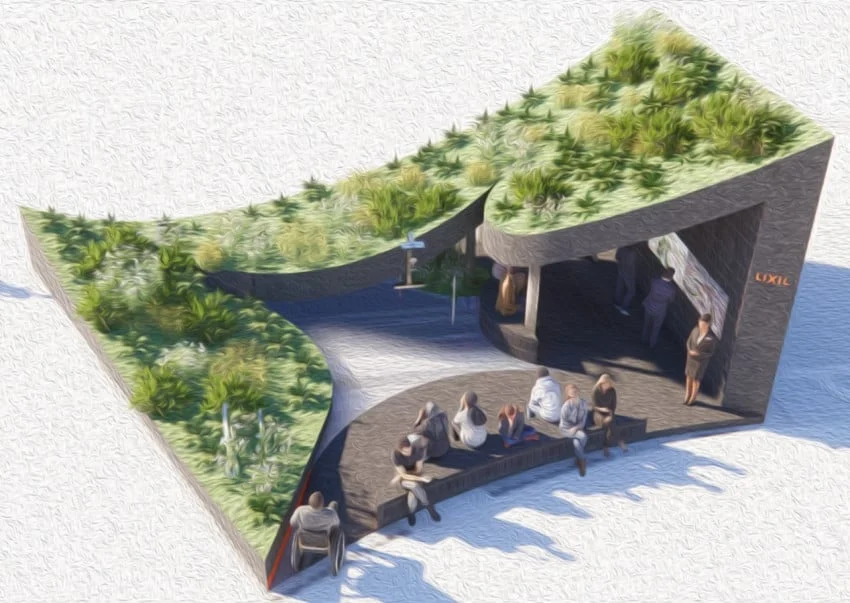
As a cornerstone of its strategic engagement for 2026, LIXIL is a prominent participant in ARCH:ID 2026, one of Southeast Asia’s most significant architectural events. The company’s presence at this prestigious exhibition is marked by an innovative pavilion titled "OASE: Architecture in the Water Cycle." This installation is the fruit of an intensive collaborative endeavor, bringing together the esteemed architect Adi Purnomo and a dedicated team of multi-disciplinary experts.
ARCH:ID, an annual event organized by the Indonesian Institute of Architects (IAI) and PT Citra Inovasi Strategi Exhibition, has established itself as the premier platform for architectural innovation, discourse, and networking in Indonesia. Held typically in March or April, it attracts thousands of architects, designers, developers, academics, and policymakers, offering a comprehensive showcase of materials, technologies, and design concepts. The theme of ARCH:ID 2026 itself is expected to revolve around pressing environmental and urban challenges, making LIXIL’s "OASE" pavilion particularly pertinent.
The "OASE" pavilion is more than just an exhibit; it is a conceptual exploration of architecture’s intrinsic relationship with water—a vital, yet often mismanaged, resource. The concept of "Architecture in the Water Cycle" delves into how design can harmoniously integrate with natural hydrological processes, from rainwater harvesting and greywater recycling to sustainable drainage systems and water-efficient fixtures. This initiative directly reflects LIXIL’s core business in water technology and its broader commitment to environmental stewardship.
Architect Adi Purnomo, known for his contextual and sustainable design philosophy, often incorporating local materials and traditional building wisdom with modern sensibilities, is an ideal collaborator for this project. His works frequently demonstrate a deep respect for natural elements and an innovative approach to resource management. The collaboration between LIXIL and Purnomo is expected to showcase practical, aesthetically pleasing, and technologically advanced solutions for water management within residential and urban contexts. The pavilion aims to inspire visitors to rethink the role of water in design, promoting a holistic approach to sustainable living that transcends mere efficiency to embrace regenerative principles. This multi-disciplinary team, comprising engineers, environmental consultants, and material scientists alongside architects, ensures that the "OASE" pavilion offers a comprehensive and actionable vision for future development.
Supporting Data and Broader Context
Indonesia’s construction sector has consistently been a significant contributor to the national GDP, demonstrating resilience even amidst global economic fluctuations. The demand for housing, particularly affordable and sustainable options, remains robust due to a growing population and ongoing urbanization. Government initiatives, such as the "One Million Houses Program" and various infrastructure development projects under the National Medium-Term Development Plan (RPJMN), underscore the scale of construction activity. However, these programs increasingly emphasize green building standards and sustainable practices. The Ministry of Public Works and Housing (PUPR) has been actively promoting the implementation of green building regulations and certifications, aligning with the country’s commitment to reducing carbon emissions and enhancing environmental quality.
Data from the Indonesian Green Building Council (GBCI) indicates a rising trend in the number of certified green buildings, reflecting a growing awareness and adoption of sustainable construction practices. Yet, significant challenges persist, particularly in water management. Indonesia, despite being rich in water resources, faces issues of uneven distribution, pollution, and inadequate sanitation infrastructure in many areas. Urban centers, in particular, struggle with managing stormwater, preventing floods, and ensuring access to clean water for all residents. LIXIL’s focus on the water cycle through its "OASE" pavilion directly addresses these critical national challenges, offering tangible solutions and fostering a dialogue on sustainable water resource management in built environments. The market for smart home technologies and eco-friendly building materials is also experiencing substantial growth, indicating a receptive environment for LIXIL’s innovative solutions.
Official Responses and Industry Implications
The initiative by LIXIL is expected to garner positive responses from various stakeholders, including government bodies, professional associations, and the broader architectural and design community. While direct statements from other parties were not provided in the original text, logical inference suggests strong support.
A representative from the Ministry of Public Works and Housing (PUPR) would likely commend LIXIL’s proactive engagement, viewing it as a valuable contribution to national development goals. Such a statement might emphasize the government’s commitment to fostering public-private partnerships to achieve sustainable infrastructure and housing targets. "The government welcomes and encourages private sector leaders like LIXIL to invest in and champion initiatives that align with our vision for green and resilient urban development," an inferred statement might read. "Collaborative platforms, such as those LIXIL is building, are crucial for integrating innovative solutions into our national agenda and ensuring a higher quality of life for all Indonesians."
Similarly, the Indonesian Institute of Architects (IAI), as the professional body representing architects, would likely express strong endorsement. An inferred statement from IAI could highlight the importance of LIXIL’s programs like LADC and LDAD in elevating professional standards, promoting continuous learning, and fostering a culture of innovation among its members. "LIXIL’s dedication to empowering the architectural community through competitions and knowledge-sharing events is invaluable," an IAI spokesperson might infer. "Their ‘OASE’ pavilion at ARCH:ID 2026 is a testament to the power of design and technology in addressing critical environmental challenges, inspiring architects to push the boundaries of sustainable design."
Beyond official responses, LIXIL’s approach could have significant implications for other industry players. By setting a precedent for deep, cross-sectoral collaboration and emphasizing sustainability, LIXIL is likely to inspire competitors and partners alike to adopt similar strategies. This could lead to a more vibrant and competitive market for sustainable building solutions, driving innovation across the board. The emphasis on integrating design and technology could also encourage educational institutions to update their curricula, preparing future professionals with the interdisciplinary skills required for modern architectural and urban planning challenges.
Broader Impact and Future Outlook
The long-term implications of LIXIL’s commitment to cross-sector collaboration extend far beyond specific projects or events. For Indonesian society, the ultimate impact will be manifested in improved living conditions, healthier environments, and an enhanced overall quality of life. By advocating for sustainable practices in water management, material selection, and energy efficiency, LIXIL contributes directly to creating more resilient and livable communities that can adapt to future environmental and social changes. This includes better access to clean water, more efficient waste management systems, and buildings that promote occupant well-being through superior indoor air quality and natural lighting.
For the architectural and design sector, LIXIL’s initiatives provide invaluable opportunities for professional development, knowledge exchange, and the infusion of cutting-edge innovation. The emphasis on collaboration encourages architects to look beyond traditional boundaries, working closely with engineers, scientists, urban planners, and even social scientists to create truly integrated solutions. This interdisciplinary approach is vital for tackling complex urban challenges and raising the overall standard of design and construction in Indonesia. It also helps to cultivate a generation of architects who are not only aesthetically inclined but also deeply conscious of environmental and social responsibilities.
From LIXIL’s perspective, this strategic direction solidifies its brand image as a responsible and forward-thinking industry leader. By actively contributing to sustainable development and empowering local professionals, LIXIL strengthens its market position and reinforces its commitment to corporate social responsibility (CSR) and global sustainability goals. This approach fosters deeper trust with clients, partners, and the public, positioning LIXIL as a preferred partner for projects that prioritize long-term value and environmental stewardship.
Economically, the push for sustainable and collaborative development could stimulate job creation in emerging fields such as green building consultancy, sustainable material manufacturing, and smart building technology. It could also encourage the development of new business models centered around circular economy principles, where resources are reused and recycled, minimizing waste and maximizing value. The "OASE" pavilion, for example, might inspire new product lines or services focused on integrated water solutions for urban settings.
Looking ahead, LIXIL’s collaborative model could serve as a blueprint for scaling up sustainable development efforts across Indonesia and even beyond. By demonstrating the tangible benefits of integrated approaches and fostering a strong network of professionals, LIXIL is not just selling products; it is actively shaping the future of living spaces. The continuous evolution of programs like LADC and LDAD, coupled with strategic participation in key industry events like ARCH:ID, will ensure that LIXIL remains at the forefront of driving positive change in Indonesia’s built environment for years to come. The goal is to move beyond simply addressing current needs to proactively designing a future where healthy, sustainable, and inspiring living spaces are the norm, not the exception.