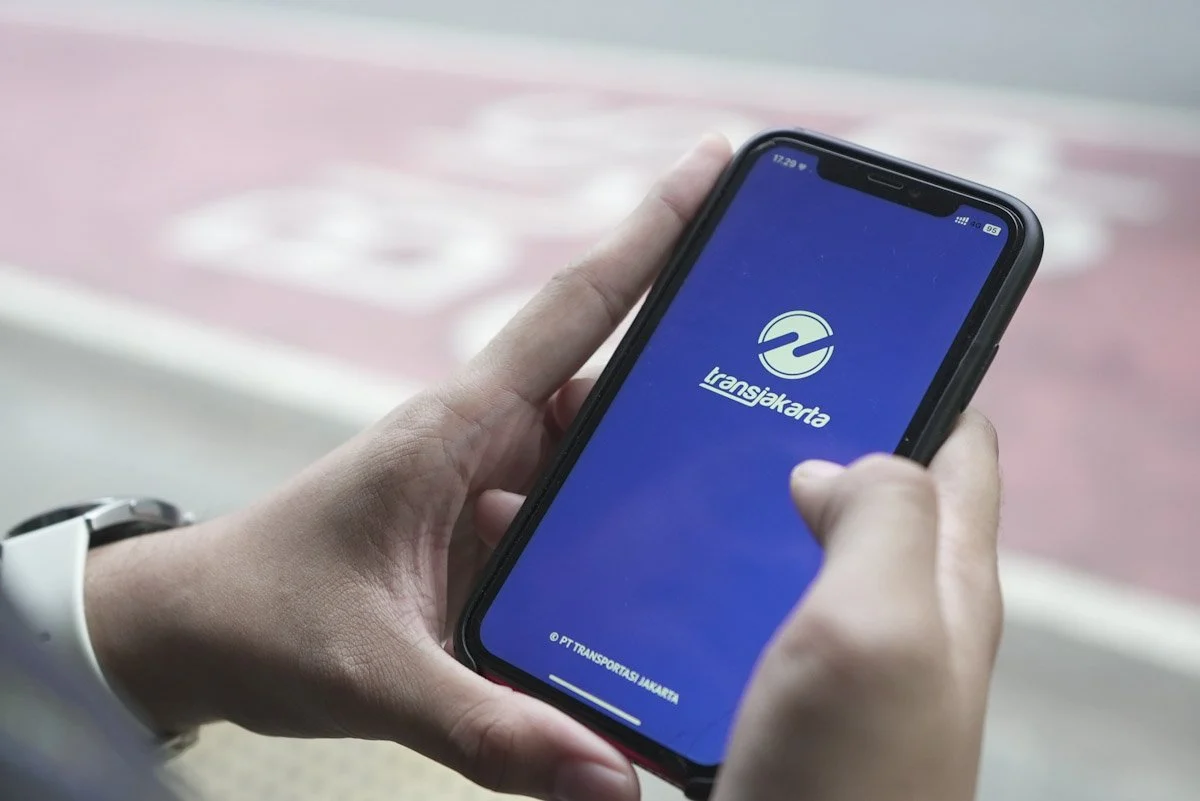
The Ministry of Communication and Digital (Komdigi) has officially issued formal notification letters to 25 Private Electronic System Providers (PSE), including high-profile transportation entities such as the Whoosh high-speed railway and the TransJakarta public bus network. This regulatory action serves as a stern reminder that all digital platforms operating within Indonesia must adhere to the mandatory registration requirements set forth by national law. The ministry has granted these organizations a final window of compliance, with a firm deadline set for September 22, 2026. Failure to register within this timeframe could result in severe administrative sanctions, up to and including the permanent revocation of access or the blocking of digital services.
The notification, issued by the Directorate of Supervision of Certification and Electronic Transactions under the Ministry’s Directorate General of Digital Space Supervision, underscores a broader push to bring all digital infrastructure—ranging from social media giants to essential public utility apps—under a unified regulatory framework. As digital transformation permeates the Indonesian transportation sector, the government’s insistence on compliance highlights the critical role of data protection, consumer safety, and operational transparency in an increasingly interconnected national economy.
The Regulatory Framework and Legal Obligations
At the heart of this enforcement action is the Ministry of Communication and Informatics Regulation Number 5 of 2020 (Permenkominfo 5/2020) concerning Private Electronic System Providers. Under Articles 2 and 4 of this regulation, any entity that manages an electronic system in Indonesia—whether they are domestic or foreign, and whether they operate in the public or private sector—must register their operations with the government.
The mandate was originally introduced to ensure that the government maintains oversight of digital platforms, particularly regarding data privacy, law enforcement coordination, and the prevention of illegal or harmful content. By registering as a PSE, companies essentially acknowledge their presence in the Indonesian digital ecosystem and commit to complying with local regulations regarding user information, cybersecurity, and the resolution of digital disputes.
Teguh Arifiyadi, the Director of Supervision of Certification and Electronic Transactions at Komdigi, confirmed that the letters were delivered on September 16, 2026. “Registration of Private Electronic System Providers is a fundamental obligation that must be fulfilled by every provider that meets the criteria stipulated by existing laws,” Teguh stated on September 18, 2026. He emphasized that the ministry is not merely checking off a bureaucratic box; it is ensuring that all services operating within Indonesia provide a secure and legally compliant environment for their users.
Chronology of the Enforcement Drive
The recent notices represent the latest phase in a long-standing government campaign to formalize the digital economy. While the PSE registration mandate garnered significant public attention during its initial rollout—when major global platforms like Google, Facebook, and Netflix were forced to register—the current wave of notifications demonstrates that the government is now pivoting its focus toward domestic entities and essential public services.
The timeline for the current group of 25 companies is as follows:
- September 16, 2026: Official notification letters are dispatched to 25 non-compliant PSEs.
- September 18, 2026: The Ministry publicly confirms the notices, signaling a shift in policy toward transparency.
- September 22, 2026: The absolute deadline for compliance.
- Post-September 22, 2026: The Ministry will begin the evaluation process to determine which, if any, companies require formal warnings or administrative sanctions.
Understanding the Impact on Transport Services
The inclusion of Whoosh (the Jakarta-Bandung high-speed rail) and TransJakarta in this list is particularly significant. These are not merely digital platforms; they are the backbone of modern mobility for millions of citizens in the Greater Jakarta area and beyond.
The digital infrastructure of these services—including their websites (kcic.co.id and transjakarta.co.id) and their respective mobile applications—is essential for ticket booking, route planning, and real-time transit updates. Should the ministry proceed with a block or a suspension of these digital services, the disruption to public mobility would be immediate and profound. However, authorities have clarified that the current status is one of "notification and warning" rather than an active move toward service termination. The goal is compliance, not disruption.
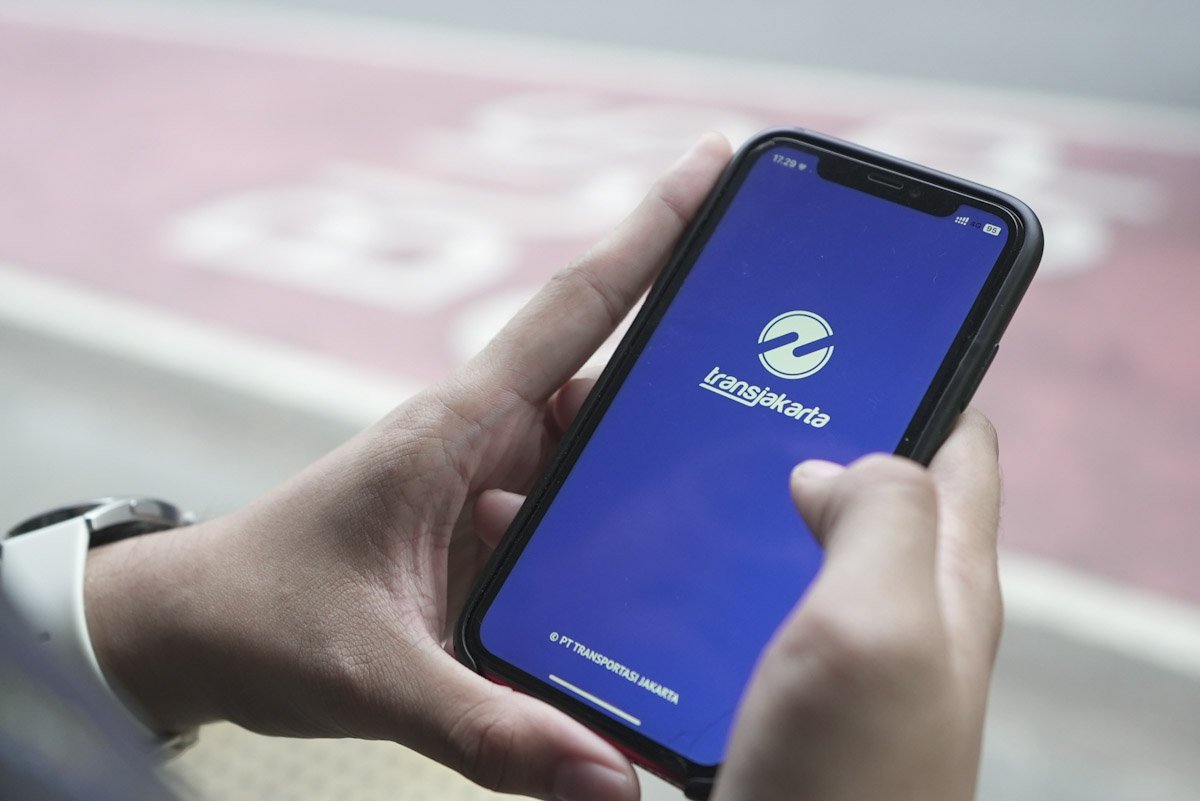
Other entities listed in the broader group of 25 companies span a diverse range of industries, including regional aviation, maritime transport, and logistics. Notable names mentioned in the notification list include Lion Air, Pelita Air, Super Air Jet, Cititrans, and Daytrans. The fact that the list is populated by critical transportation providers suggests that the government is treating the digitization of public infrastructure as a matter of national security and consumer protection.
The Consequences of Non-Compliance
While the government has not yet moved to restrict access, the threat of "access blocking" is a potent regulatory tool. Under the current legal framework, if a PSE fails to register by the specified deadline, the ministry is authorized to issue multiple warnings before escalating to a total suspension of the service’s domain or IP access within Indonesia.
Teguh Arifiyadi was categorical in his remarks regarding the potential consequences. “If, by the determined deadline, the PSE has not fulfilled its registration obligations, we will proceed with follow-up actions in accordance with statutory regulations, including the issuance of warning letters and the application of administrative sanctions in the form of access blocking,” he warned.
This process is designed to be graduated. A block is considered a "measure of last resort." The ministry’s primary objective remains ensuring that these platforms provide the necessary documentation and data to be fully integrated into the national digital oversight database. For most of the 25 companies, the path forward involves administrative filing, which is generally viewed as a straightforward, albeit necessary, bureaucratic process.
Broader Implications for the Digital Economy
The recent developments signal a new maturity in Indonesia’s digital governance. In the early years of the PSE registration requirement, critics argued that the mandate might stifle innovation or discourage foreign investment. However, as the digital landscape has expanded, the government’s focus on enforcing these rules across all sectors—including legacy transport companies—suggests that the administration views digital regulation as a standard requirement for doing business in the country.
For consumers, this is a double-edged sword. On one hand, the registration requirement ensures that companies are held accountable for their digital practices, which could lead to better data handling and stronger consumer rights. On the other hand, the threat of a service blackout, even as a regulatory tactic, creates a layer of uncertainty for the millions who rely on these apps for their daily commute.
Industry analysts observe that the inclusion of transportation services in this enforcement round reflects the reality that "transportation is now digital." When a user books a seat on a high-speed train or a bus, they are engaging in a digital transaction that involves payment, identity verification, and data sharing. By forcing these companies to register as PSEs, the government is ensuring that the digital infrastructure supporting physical movement is as regulated as the physical assets themselves.
Looking Ahead
As the September 22 deadline approaches, the attention of the tech and transport sectors is firmly fixed on the Ministry of Communication and Digital. Most industry observers expect the majority of the 25 companies, including the high-profile transport operators, to complete their registration processes before the cutoff. The bureaucratic nature of the requirement means that most companies likely have the internal resources to meet the demands, provided they prioritize the task.
Should any company fail to comply, the ministry will face a delicate balancing act: enforcing the law to maintain the credibility of its regulatory framework while avoiding a massive public backlash caused by the disruption of essential services. The coming days will serve as a litmus test for the effectiveness of Indonesia’s digital compliance regime and the willingness of major service providers to align with the evolving regulatory landscape.
In conclusion, the situation surrounding the 25 PSEs is a reminder that in the modern era, the line between a transportation company and a technology company has effectively vanished. As these entities continue to digitize their operations, their responsibility to the public extends beyond the tracks and the roads to the digital platforms that keep the country moving. The ministry’s intervention, while assertive, is a reflection of the state’s intent to formalize the digital economy and protect the interests of its citizens in an increasingly virtual world.