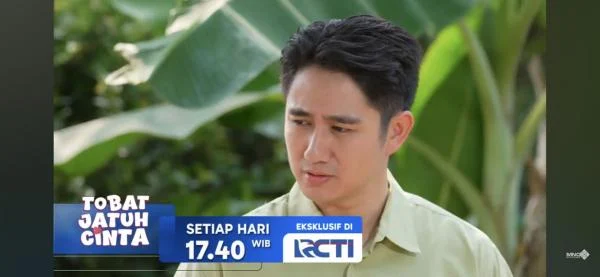
The Indonesian television landscape continues to be dominated by the "Layar Drama RCTI" lineup, with the series Tobat Jatuh Cinta emerging as a pivotal fixture in the late afternoon programming block. Scheduled to air at 17:40 WIB on Sunday, July 19, 2026, on Channel 28, the production has garnered significant attention for its unique classification as a communal drama-comedy. Unlike traditional soap operas that focus solely on high-society conflicts or supernatural themes, Tobat Jatuh Cinta prioritizes the socio-cultural dynamics of Kampung Sindang Barang, blending sharp social satire with emotionally resonant storytelling. This approach reflects a broader shift in the Indonesian broadcasting industry toward content that mirrors the everyday lives, anxieties, and humor of the archipelago’s diverse population.
Narrative Evolution and Episode Synopsis
The upcoming episode of Tobat Jatuh Cinta delves deeper into the escalating tensions between the residents of Kampung Sindang Barang and the character Erika, whose legal threats have cast a shadow over the community. The central conflict involves Dr. Bagas, portrayed by Kenny Austin, alongside Fajar (Fajar Sadboy) and Mining. The trio is currently embroiled in a frantic effort to find a diplomatic resolution to their dispute with Erika, hoping to prevent the situation from escalating into a formal police report. This plot point highlights a common theme in communal dramas: the preference for local mediation over the often-intimidating formal legal system.
Adding a layer of mystery to the proceedings is the character of Bunda Latifah. Her persistent demands for Mining to locate Jaka—a figure she believes holds the key to de-escalating the crisis—have left other characters and viewers alike questioning the underlying history between these individuals. The narrative suggests that Jaka possesses a specific influence or piece of information that could neutralize Erika’s aggressive stance, though the nature of this leverage remains undisclosed.
Simultaneously, the episode explores the romantic and social intricacies of the village. Firman is seen making subtle, clandestine advances toward Mila, played by the high-profile actress Gisella Anastasia. This subplot provides the "drama" in the drama-comedy mix, contrasting with the more lighthearted developments involving Rora (Angbeen Rishi) and Mang Ihin. The two have embarked on a precarious gold-trading venture, which is immediately complicated by the presence of Ding Ding, a rujak cingur (traditional Javanese salad) vendor. The situational comedy peaks when Mining erroneously identifies Ding Ding as a secret "intel" agent or undercover informant sent by Erika to spy on Hasna and Elin. This misunderstanding serves as a satirical take on the "paranoia" often found in tight-knit communities where everyone’s business is public knowledge.
Strategic Casting and Character Profiles
The success of Tobat Jatuh Cinta is largely attributed to its eclectic cast, which bridges the gap between established dramatic actors and viral internet sensations.
- Kenny Austin (Dr. Bagas): Known for his leading roles in various romantic dramas, Austin brings a sense of grounded authority to the role of Dr. Bagas. His character often serves as the moral compass of Kampung Sindang Barang, providing a rational counterpoint to the more eccentric residents.
- Gisella Anastasia (Mila): A household name in the Indonesian entertainment industry, Anastasia’s involvement brings a level of star power that ensures high viewership ratings. Her character, Mila, represents the emotional core of the series, often caught in the crosshairs of the village’s complex social web.
- Fajar Sadboy (Fajar): Transitioning from a viral social media figure known for his melancholic persona, Fajar has found a niche in the communal comedy genre. His presence appeals to a younger, digitally-native demographic, helping RCTI maintain its relevance across different age groups.
- Supporting Ensemble: The inclusion of talent such as Neneng Wulandari (Hasna), Larasati Nugroho (Elin), and Angbeen Rishi (Rora) ensures that the subplots are as engaging as the main narrative. Neneng Wulandari, in particular, utilizes her background in stand-up comedy to enhance the satirical elements of the script.
The Shift to Digital Broadcasting and Technical Accessibility
The announcement of the July 19 broadcast also serves as a reminder of Indonesia’s completed transition from analog to digital terrestrial television (ASO – Analog Switch Off). RCTI, as part of the MNC Media group, has been a vocal proponent of this transition, ensuring that its content is accessible in high definition on Channel 28.
For viewers in the Greater Jakarta area and beyond, the move to digital has not been without technical hurdles. The broadcast notes emphasize that for the clearest and most stable reception, viewers must ensure their Set Top Boxes (STB) are properly configured. Specifically, the Logical Channel Number (LCN) feature must be activated to maintain the correct channel ordering. This technical guidance is part of a larger effort by Indonesian broadcasters to educate the public on the benefits of digital TV, which include superior audio-visual quality and more efficient spectrum usage.
Contextual Analysis: The Rise of Communal Satire
Tobat Jatuh Cinta represents a maturing of the "Sinetron" (Indonesian soap opera) genre. Traditionally, these shows relied on "black and white" morality—clearly defined heroes and villains. However, the "communal drama-comedy" genre introduces grey areas. Erika, while an antagonist in the current arc, represents the external pressures of legalism and modernity clashing with the traditional, communal values of the village.
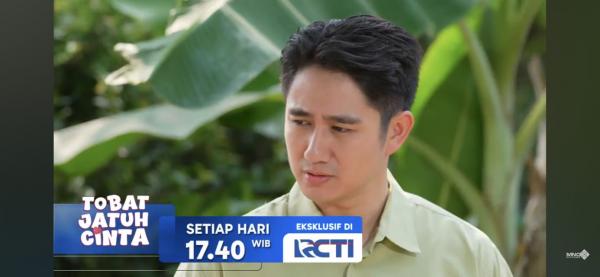
The "intel" misunderstanding involving the rujak cingur vendor is particularly telling. It mocks the collective anxiety of rural or semi-rural communities regarding surveillance and authority. By framing these fears in a comedic light, the show allows the audience to process social tensions through laughter. This formula has proven successful in maintaining "prime time" dominance, as it provides escapism while remaining deeply rooted in the Indonesian reality.
Industry Implications and Viewership Trends
Data from television rating agencies in 2025 and early 2026 indicates a steady preference for "local-flavored" content. While international streaming platforms have gained ground in urban centers, terrestrial television remains the primary source of entertainment for the majority of the Indonesian population. Shows like Tobat Jatuh Cinta are designed to be "sticky"—encouraging daily viewing through cliffhangers and relatable character growth.
Furthermore, the integration of social media stars like Fajar Sadboy into mainstream television indicates a convergence of media formats. RCTI’s strategy involves capturing the "viral" momentum of the internet and stabilizing it within the structured format of a television series. This not only boosts live viewership but also generates significant engagement on digital platforms like RCTI+, where viewers can catch up on missed episodes.
Official Responses and Production Standards
While official statements from the production house, MNC Pictures, emphasize the creative freedom given to the writers of Tobat Jatuh Cinta, they also highlight the rigorous standards applied to the communal drama format. The goal is to produce content that is "tontonan sekaligus tuntunan" (entertainment that also serves as a guide or lesson).
In response to the technical questions regarding the digital signal on Channel 28, RCTI’s technical department has reiterated its commitment to 24/7 support via social media channels. The directive to "scan ulang" (re-scan) digital tuners is a standard protocol to ensure that viewers are receiving the latest multiplexing updates, which can occasionally shift due to infrastructure maintenance.
Broader Impact and Future Outlook
As Tobat Jatuh Cinta moves into the latter half of July 2026, the narrative stakes are expected to rise. The resolution of the Erika conflict will likely set the tone for the season finale, potentially involving a communal reconciliation that reinforces the show’s core themes of solidarity and forgiveness.
The success of this series serves as a blueprint for future productions in the Southeast Asian market. By focusing on hyper-local settings like Kampung Sindang Barang and addressing universal themes through a local lens, RCTI is setting a standard for how traditional broadcasters can compete in an increasingly fragmented media environment. The blend of satire, drama, and technical excellence ensures that "Layar Drama RCTI" remains a formidable force in Indonesian culture.
In conclusion, the episode airing this Sunday is more than just a continuation of a storyline; it is a reflection of the current state of Indonesian media—technologically advanced, socially conscious, and deeply connected to its audience’s cultural identity. Whether the "intel" is real or a figment of Mining’s imagination, the real story lies in the enduring appeal of the communal spirit, captured faithfully every evening on Channel 28.