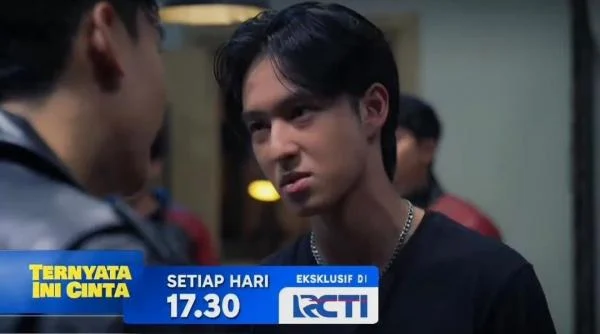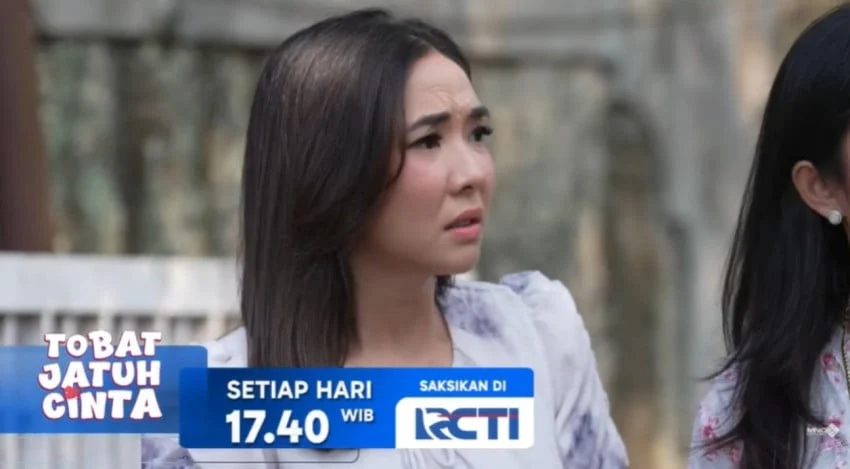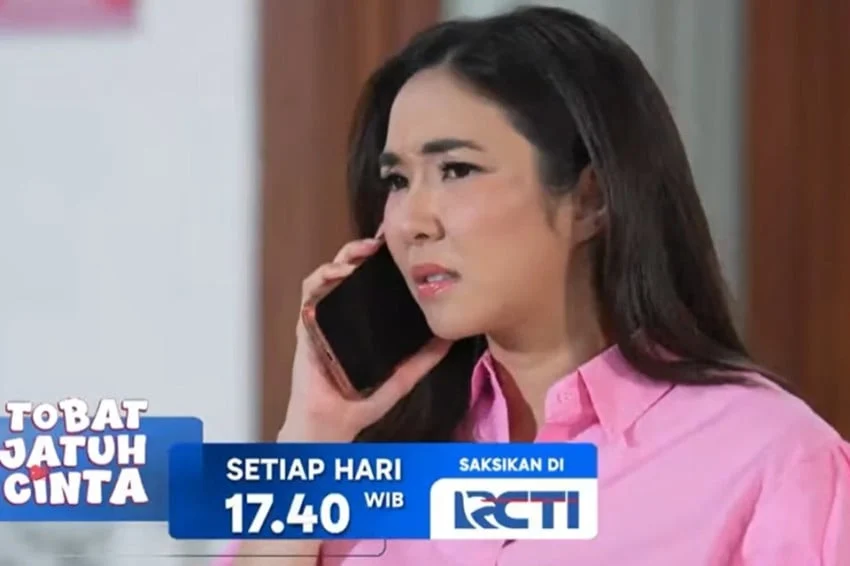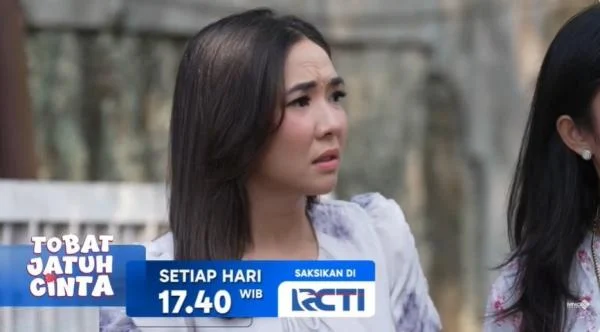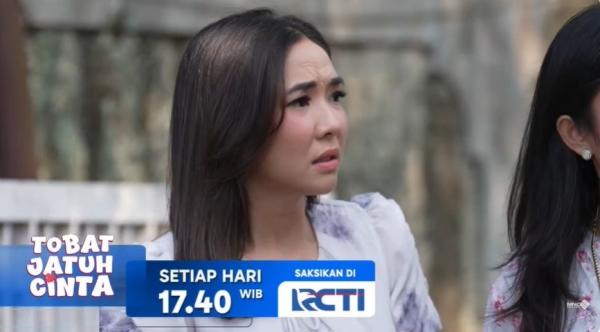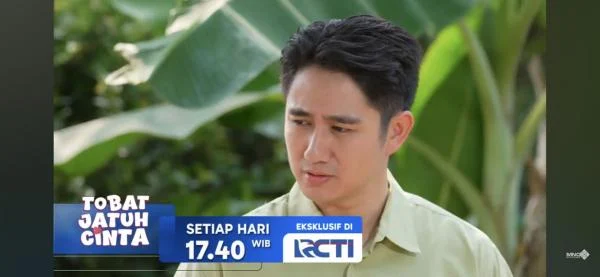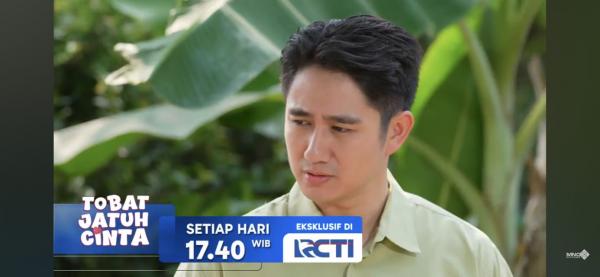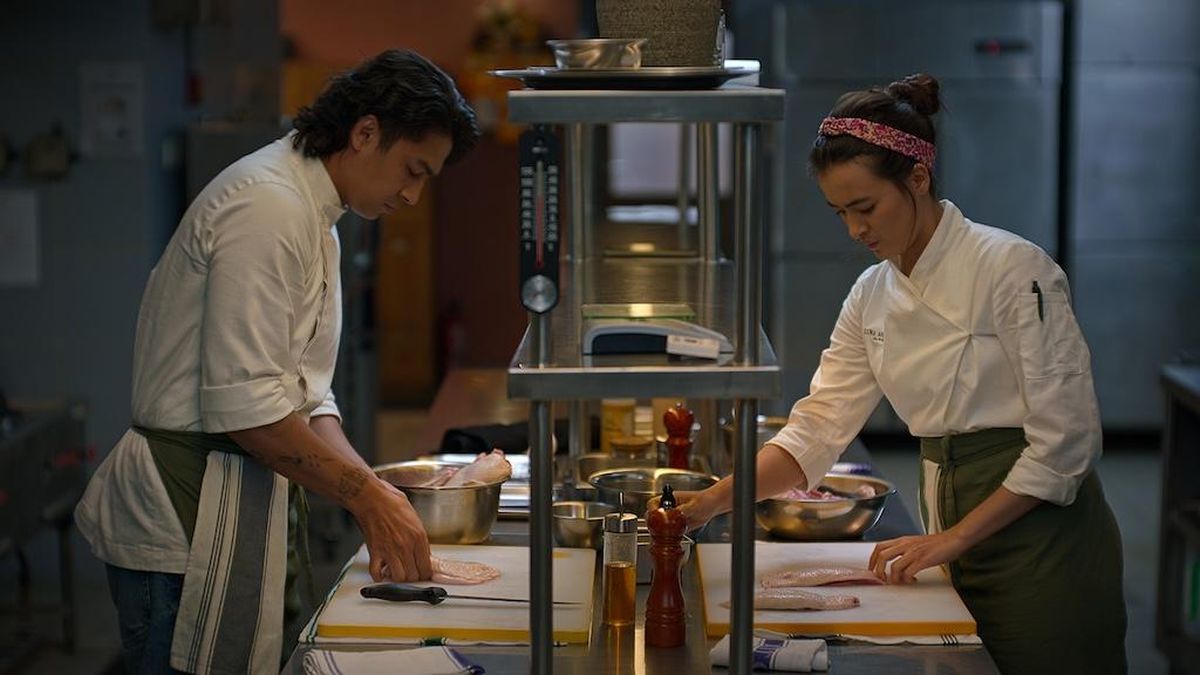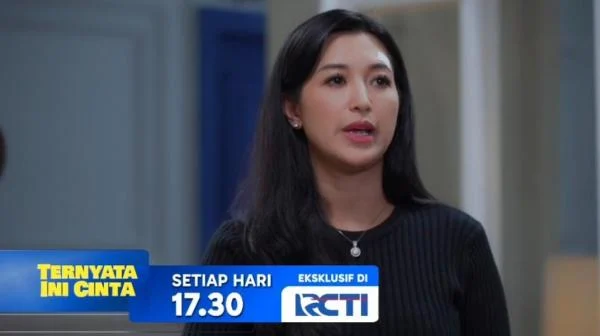
The primetime soap opera, which has garnered a significant following among Indonesian television audiences, centers on a multi-layered conflict involving a cast of high-profile young actors, including Elsa Japasal as Luna, Ari Irham as Marco, Betrand Peto as Bima, Yusuf Kartiko as Saga, and Bebby Hatami as Mila. The supporting ensemble, featuring veteran performers such as Sylvia Fully and Dafina Jamasir, provides the necessary gravitas to anchor the show’s increasingly dramatic plotlines.
The Catalyst: Uncovering a Fatal Deception
The current arc of the narrative hinges on the revelation of a long-concealed secret that has shifted the show’s primary conflict from interpersonal teenage drama to a more sinister investigation of criminal culpability. The central catalyst for this shift is the discovery made by the character Saga regarding the death of Ryan.
For the duration of the series, Ryan’s demise was treated as a tragic, isolated accident. However, the narrative trajectory changed drastically when Saga unearthed evidence confirming that his own father, Dewa, was the architect of the incident. This revelation serves as a classic trope of moral struggle: a protagonist forced to choose between familial loyalty and the pursuit of justice.
Saga’s decision to confront his father represents a turning point in the series. By attempting to dismantle his father’s illicit operations, Saga has moved from a passive participant in the story’s domestic affairs to an active antagonist against the series’ primary villain. This internal struggle—the son against the father—mirrors real-world narratives regarding corporate and familial accountability, providing a compelling anchor for the audience.
Chronology of Escalating Tensions
The recent episodes have tracked a rapid escalation of violence and surveillance that has heightened the stakes for all involved parties. The following chronology outlines the progression of the current crisis:
- The Revelation: Saga discovers the truth about Ryan’s accident, identifying his father, Dewa, as the perpetrator.
- The Confrontation: Saga attempts to expose Dewa’s actions to external parties.
- The Detention: In an effort to silence his son, Dewa orders his subordinates to capture and sequester Saga.
- The Escape: Saga manages to evade his captors, successfully fleeing to seek out Rifky and disclose the evidence of the crime.
- The Counter-Measure: Dewa shifts his focus toward Luna and Rifky, deploying his associates, Reno and Ivan, to maintain constant surveillance over their movements.
- The Sabotage: Under orders from Dewa, the braking system on Luna’s motorcycle is compromised.
- The Incident: While riding, Luna experiences a catastrophic brake failure, leading to a severe accident that leaves her unconscious.
Analysis of Narrative Implications
The shift in Ternyata Ini Cinta from a conventional teen drama to a thriller-adjacent narrative is a strategic move often seen in long-running Indonesian television series, or sinetron. By incorporating elements of mystery and life-or-death stakes, the production team effectively sustains audience retention through what is known in media studies as "cliffhanger pacing."
The inclusion of high-stakes sabotage—specifically the tampering with a vehicle—serves as an inflection point. From a narrative standpoint, it elevates the threat level. No longer are the characters merely dealing with emotional turmoil; they are now facing physical peril, which forces secondary characters to take sides. This transformation of the plot suggests a move toward a "resolution arc," where the secrets that have driven the show’s momentum are finally brought into the light, necessitating either the downfall of the villain or a significant sacrifice by the protagonists.
Character Dynamics and Industry Context
The ensemble cast plays a pivotal role in the show’s reception. Elsa Japasal’s portrayal of Luna, a character frequently caught in the crosshairs of external conflicts, provides a focal point for audience empathy. Meanwhile, the inclusion of actors like Ari Irham and Betrand Peto brings a cross-generational appeal, bridging the gap between younger digital-native audiences and traditional television viewers.
In the Indonesian television landscape, sinetron productions are often evaluated based on their ability to maintain a consistent "emotional temperature." Ternyata Ini Cinta utilizes the tension between the characters to ensure that each episode remains relevant. The presence of seasoned actors like Sylvia Fully acts as a stabilizing force, providing the dramatic weight necessary to ensure the conflicts—such as the legal and ethical implications of Dewa’s actions—are taken seriously by the audience.
The Broader Impact of Narrative Conflict
While the events described are fictional, they reflect universal themes that resonate deeply within the cultural framework of domestic drama. The betrayal of a father toward a son, and the subsequent cover-up of a fatal crime, are narrative devices that touch upon issues of power, systemic corruption, and the difficulty of whistleblowing.
Industry observers note that the success of such programs often relies on the "moral clarity" of the characters. Even when the plot becomes dark, the audience requires a clear distinction between the protagonists’ pursuit of truth and the antagonists’ preservation of power. The current trajectory of Ternyata Ini Cinta, with its focus on the physical danger posed to Luna, indicates that the writers are preparing for a climax where the moral debt of the antagonist will likely be called in.
Looking Forward: Future Narrative Arcs
As the show continues to air on RCTI, the immediate concern for viewers is the recovery of Luna and the success of Saga’s mission to inform Rifky. The narrative is currently at a high-pressure junction. If the show follows standard industry patterns, the upcoming episodes will likely focus on the investigation into the motorcycle accident, potentially leading to the discovery of the tampering and providing the necessary evidence to link Dewa to yet another criminal act.
Furthermore, the character arc of Saga is expected to evolve from one of fear and flight to one of confrontation. The psychological toll of realizing his father is a murderer provides fertile ground for character development, allowing the series to explore themes of redemption and the severance of toxic familial bonds.
Production and Reception Data
RCTI, as a network, has consistently utilized the 17.40 WIB slot for programs that command significant audience share. By blending the emotional resonance of family conflict with the high-octane excitement of a thriller, Ternyata Ini Cinta occupies a vital space in the afternoon programming block.
Engagement metrics for the show indicate that social media discourse remains active, with viewers frequently debating the morality of the characters’ decisions. This level of engagement is a hallmark of successful television in the region, where the audience views the characters as extensions of their own social sphere.
The production quality, particularly in action sequences like the motorcycle incident, reflects an increasing investment in technical execution within the Indonesian television sector. By utilizing professional stunts and careful editing, the production team has successfully maintained the suspension of disbelief necessary for the audience to invest in the severity of the situation.
Final Considerations
As Ternyata Ini Cinta progresses, the narrative remains focused on the struggle for justice in the face of insurmountable odds. The combination of mystery, interpersonal conflict, and the constant threat of danger ensures that the series remains a staple of its timeslot. Whether Saga will successfully navigate the web of deceit woven by his father or whether the antagonists will continue to consolidate their control remains the central question for the show’s growing audience. With the plot currently centered on the recovery of the lead character and the exposure of the truth, the coming weeks are poised to be the most decisive in the show’s current season, likely determining the long-term direction of its primary cast members and the eventual resolution of the conflict with the Dewa regime.