
The Indonesian entertainment landscape has witnessed a significant evolution in its partnership with global streaming giants, a trend further solidified by the release of the latest Netflix original series, Luka, Makan, Cinta. Premiering on April 15, 2026, the series delves into the high-pressure environment of professional kitchens, blending the intensity of culinary competition with the complexities of human relationships. Directed by the critically acclaimed Teddy Soeriaatmadja, the production brings together two of Indonesia’s most prominent young talents, Mawar de Jongh and Deva Mahenra, in a narrative that explores the intersection of professional legacy and personal aspiration.
The eight-episode series serves as a pivotal addition to Netflix’s "Time for Indonesia" content slate, which has consistently aimed to showcase local stories with international production standards. Luka, Makan, Cinta focuses on the internal politics of "Umah Rasa," a fictional but prestigious family-owned restaurant that stands as a symbol of tradition in a rapidly modernizing Jakarta food scene. The series is not merely a romantic drama; it is a meticulous study of the "chef de cuisine" culture, the pursuit of international accolades, and the economic vulnerabilities that threaten even the most established culinary institutions.
Narrative Overview and Character Dynamics
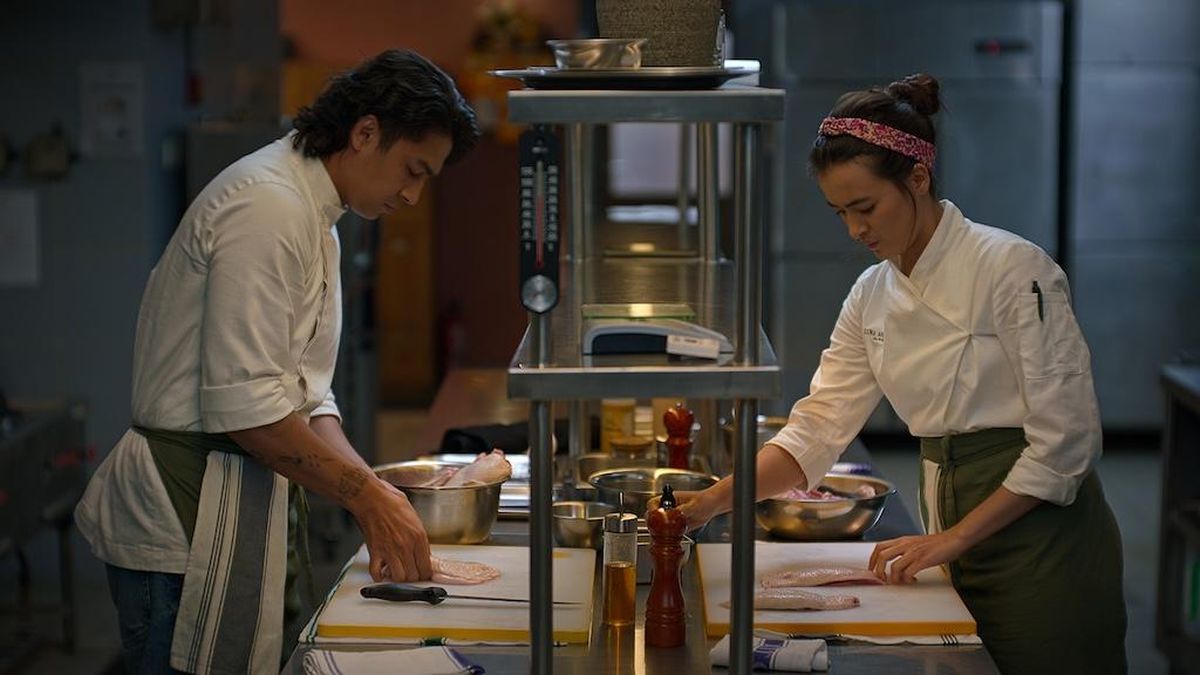
The story centers on Luka, portrayed by Mawar de Jongh, a disciplined and highly ambitious young chef who has spent years preparing to take the helm of her family’s legacy, Umah Rasa. Luka’s identity is inextricably linked to the kitchen, and her technical proficiency is matched only by her desire to modernize the restaurant’s offerings. However, the narrative’s primary conflict is ignited when her mother, Sari (Sha Ine Febriyanti), who currently serves as both the owner and the executive head chef, makes a controversial decision. Instead of promoting her daughter, Sari appoints an outsider, Dennis (Deva Mahenra), as the new head chef.
Dennis represents a different philosophy of cooking—one that emphasizes instinct and innovation over the rigid adherence to tradition that Luka has mastered. This appointment creates an immediate rift within the kitchen’s hierarchy. The power struggle between Luka and Dennis forms the backbone of the series, as they are forced to share a workspace while harboring mutual resentment. As the episodes progress, the friction between their disparate styles begins to yield unexpected results, leading to a professional synergy that eventually evolves into a complicated romantic attraction.
Chronology of Conflict and Resolution
The series is structured to follow the trajectory of a restaurant in crisis, providing a chronological look at the rise and fall of professional fortunes.
- The Succession Crisis: The opening episodes establish the stakes at Umah Rasa. Luka’s expectation of leadership is shattered by Sari’s lack of confidence in her readiness, leading to the introduction of Dennis. The tension is palpable as the kitchen staff is divided between loyalty to the owner’s daughter and the new authority of the outsider.
- The Pursuit of the Michelin Star: Central to the middle chapters of the series is the pursuit of a Michelin Star. This objective serves as both a unifying goal and a source of extreme stress. Luka believes that her technical precision is the key to the award, while Dennis pushes for a more avant-garde approach that risks alienating their traditional clientele.
- Financial Instability: As the creative conflict peaks, the series introduces a pragmatic external threat: financial mismanagement. Despite its reputation, Umah Rasa faces mounting debts and declining foot traffic. This subplot adds a layer of realism to the show, highlighting the thin margins of the restaurant industry.
- The Crisis of Faith: The turning point occurs when the restaurant’s financial woes lead to delayed salaries for the kitchen staff. This internal collapse forces Luka and Dennis to set aside their egos. The animosity that defined their early interactions melts away in the face of a shared mission to save the livelihoods of their employees.
- The Final Choice: The climax of the series involves a test of loyalty. When Dennis is offered a prestigious position at a rival, high-end establishment—a role that would guarantee him the fame he seeks—he must choose between his career advancement and his burgeoning commitment to Luka and the survival of Umah Rasa.
Creative Direction and Production Excellence
The involvement of Teddy Soeriaatmadja as director provides Luka, Makan, Cinta with a sophisticated cinematic language. Known for his work on "Lovely Man" (2011) and "The Architecture of Love" (2024), Soeriaatmadja is a filmmaker who specializes in the subtleties of character interaction. In this series, he utilizes the claustrophobic and heat-filled environment of the kitchen to mirror the internal emotional states of the protagonists. The cinematography emphasizes the "food as art" concept, with high-definition close-ups of culinary preparation that rival international food documentaries.
The supporting cast further elevates the production. Sha Ine Febriyanti’s portrayal of Sari offers a nuanced look at the pressures faced by female entrepreneurs in Indonesia, while the inclusion of Adipati Dolken and Asmara Abigail adds depth to the secondary storylines. These characters represent the broader ecosystem of the restaurant, from the front-of-house management to the competitive social circles of Jakarta’s elite diners.
Industry Impact and Culinary Authenticity
Luka, Makan, Cinta arrives at a time when culinary-themed media is experiencing a global renaissance. Shows like "The Bear" and "Chef’s Table" have primed audiences for narratives that treat the professional kitchen as a site of high drama. By localizing this genre, Netflix and Soeriaatmadja have tapped into Indonesia’s rich gastronomic heritage. The series reportedly employed professional chefs as consultants to ensure that the cooking techniques, kitchen terminology, and plating seen on screen are authentic to the standards of fine dining.
Market analysts suggest that the series will have a significant impact on the perception of Indonesian culinary professions. By highlighting the rigors of the industry—the long hours, the physical toll, and the financial risks—the show moves beyond the glamorized version of cooking often seen on reality television. Furthermore, the focus on the Michelin Star reflects Indonesia’s growing presence on the global culinary map, as more local restaurants strive for international recognition.
Broader Implications for Indonesian Streaming Content
The release of Luka, Makan, Cinta is a testament to the increasing maturity of the Indonesian streaming market. With eight episodes of high-production-value content, the series demonstrates that local creators are capable of producing sophisticated, character-driven narratives that can compete on a global stage. The choice of a niche subject matter like professional gastronomy, rather than a broad-market horror or action flick, indicates a willingness to diversify the types of stories being told.
From a socio-economic perspective, the series also addresses themes of inheritance and the "glass ceiling" within family businesses. Luka’s struggle to prove her worth to her mother, despite her obvious talent, resonates with broader societal discussions regarding gender roles and the transition of power between generations in Indonesian enterprises.
Conclusion and Reception
As Luka, Makan, Cinta begins its streaming run, it stands as a landmark production for 2026. It successfully bridges the gap between commercial entertainment and prestige television. For viewers, the series offers a compelling blend of "food porn" and emotional depth. For the industry, it serves as a blueprint for how to execute a specialized drama that remains accessible to a wide audience.
The journey of Luka and Dennis, from bitter rivals to partners in both the kitchen and life, provides a satisfying narrative arc that is grounded in the harsh realities of the modern economy. By the time the final episode concludes, the audience is left not only with a sense of the characters’ growth but also with a deeper appreciation for the artistry and the agony that goes into every plate served at a restaurant like Umah Rasa. Through this series, Netflix continues to prove that Indonesian stories, when told with precision and passion, have a universal appeal that transcends borders and languages.