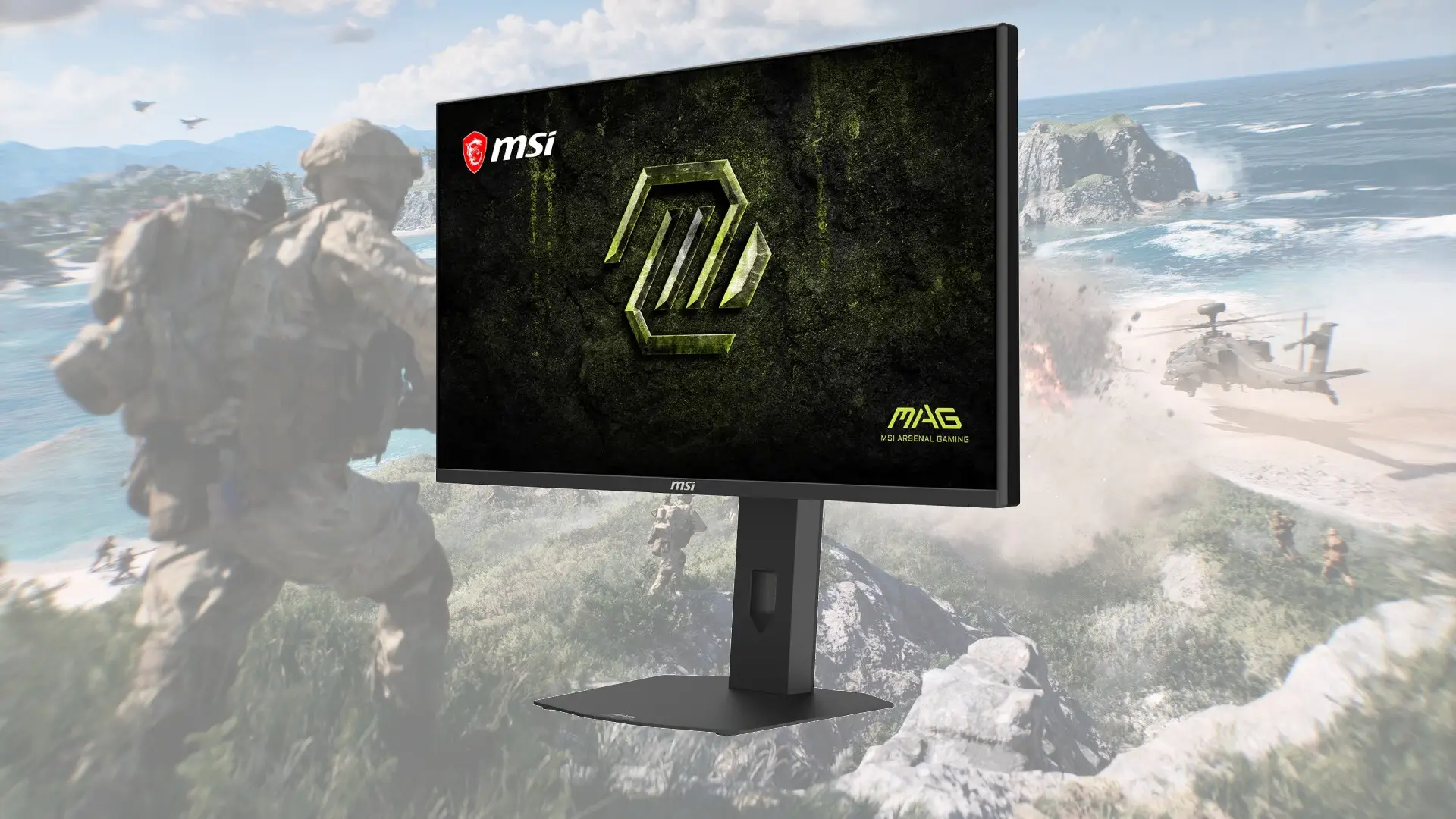
MSI has officially expanded its high-performance display lineup with the introduction of the MAG 256QR36, an innovative gaming monitor specifically engineered to meet the demanding requirements of competitive esports athletes and high-speed gamers. Historically, the 2560 x 1440 pixel (QHD) resolution has been inextricably linked to larger 27-inch display panels, a size optimized to balance pixel density with a broader field of view for immersive single-player experiences and general productivity. However, this pairing often alienates a dedicated segment of competitive players who favor compact, fast-paced setups where rapid eye tracking across a smaller screen surface area can mean the difference between victory and defeat. Recognizing this specialized market demand, MSI has successfully condensed the crystal-clear fidelity of 1440p resolution into a more compact 24.5-inch form factor, pairing it with an astonishingly high 360Hz refresh rate to establish a new benchmark in performance-driven desktop hardware.
Main Facts and Technological Specifications
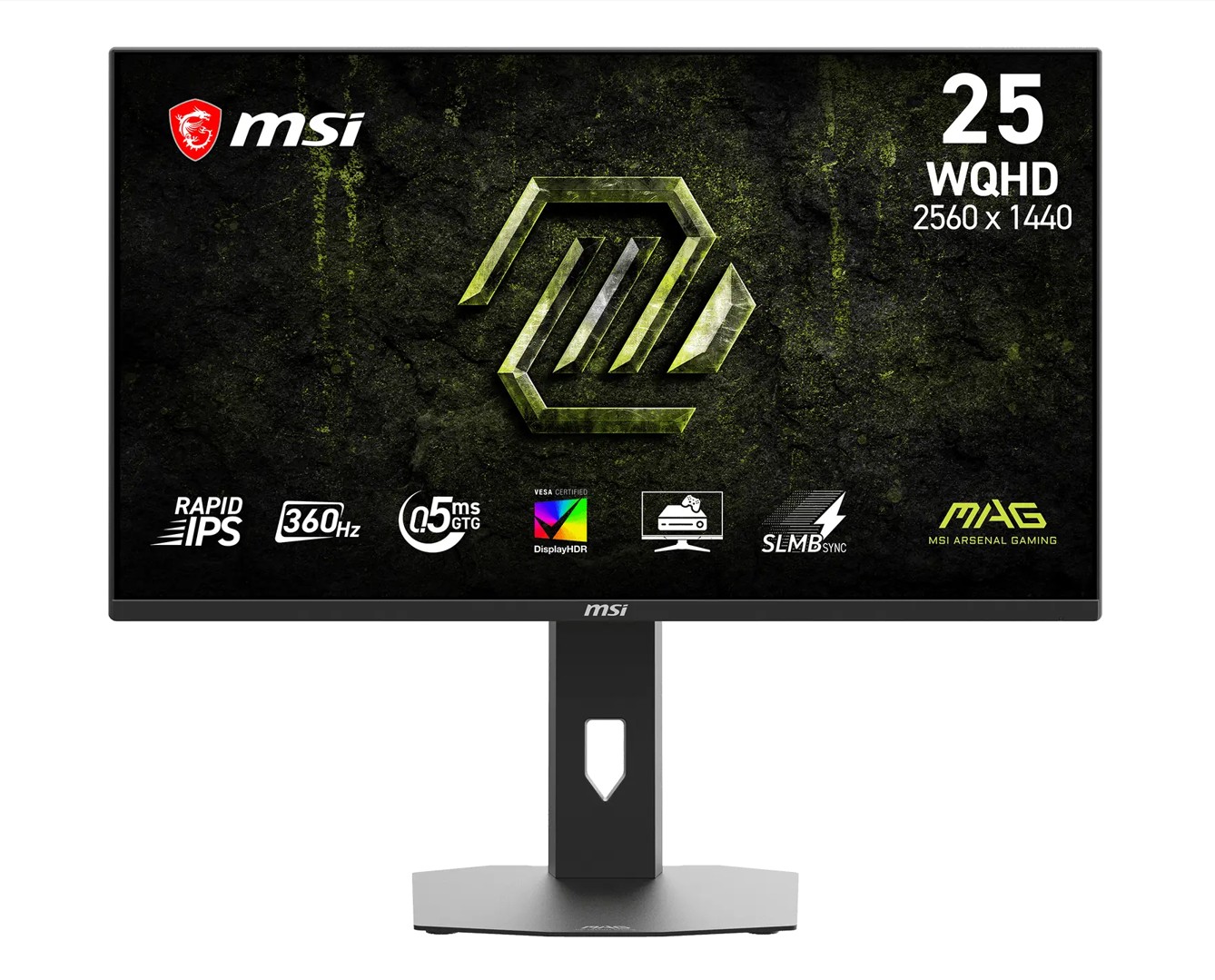
The newly unveiled MSI MAG 256QR36 is defined by its cutting-edge specifications, engineered to provide a seamless competitive edge in fast-twitch gaming genres such as tactical first-person shooters and competitive battle royales. At its core, the monitor utilizes an advanced Rapid IPS panel measuring 24.5 inches diagonally, displaying a sharp QHD resolution of 2560 x 1440 pixels. This configuration yields a significantly higher pixel density compared to standard 1080p monitors of the same physical dimensions, allowing players to discern distant targets, subtle environmental details, and rapid enemy movements with exceptional clarity.
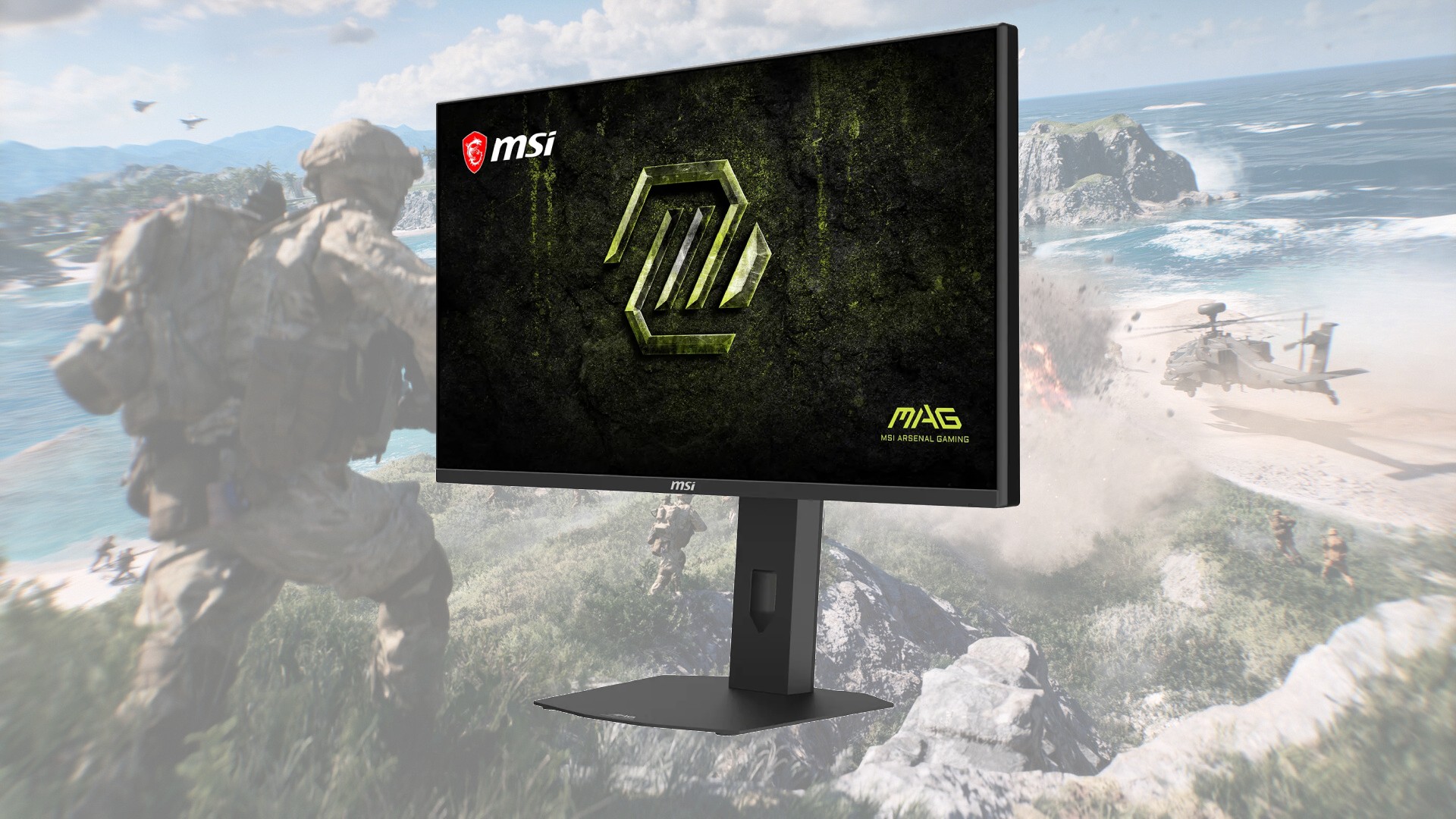
To complement this high pixel count, MSI has integrated an ultra-responsive 360Hz refresh rate alongside a lightning-fast 0.5-millisecond Gray-to-Gray (GtG) response time. This combination drastically minimizes motion blur, ghosting, and input lag, ensuring that fast-moving visuals remain pristine even during chaotic in-game scenarios. Furthermore, the display incorporates adaptive synchronization technologies, featuring official support for both AMD FreeSync Premium and NVIDIA G-SYNC. These technologies dynamically synchronize the monitor’s refresh rate with the frame output of the host computer’s graphics processing unit, effectively eliminating visual artifacts such as screen tearing and stuttering.
Visual fidelity is further enhanced by VESA DisplayHDR certification, though specifications regarding peak brightness vary slightly by regional documentation. The panel also boasts wide color gamut coverage, ensuring that vibrant game worlds remain rich and visually engaging without sacrificing the response times and clarity vital for competitive play.
Connectivity, Ergonomics, and Regional Nomenclature Variations
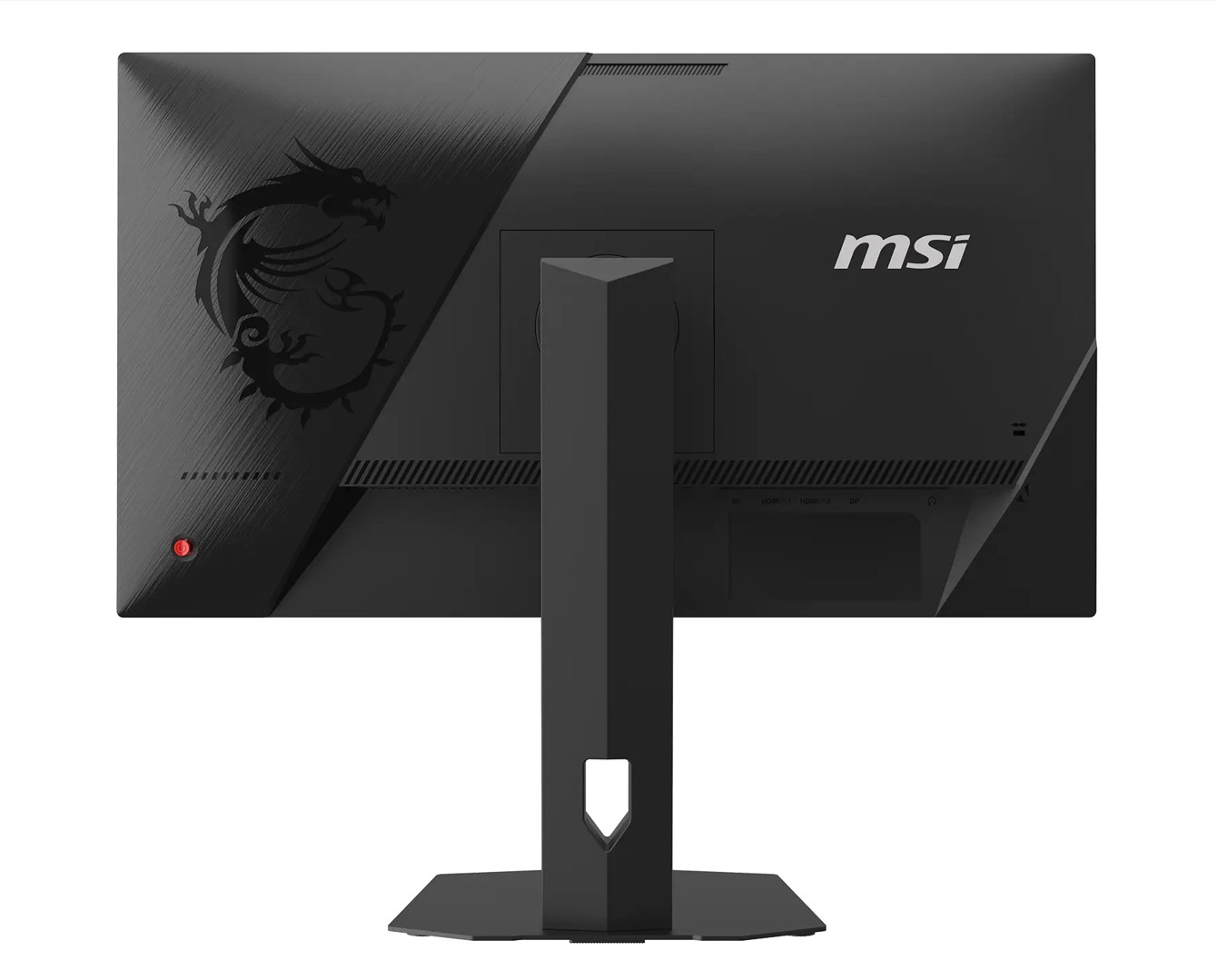
Beyond its core display capabilities, the MSI MAG 256QR36 offers robust connectivity options designed to accommodate high-bandwidth modern hardware. Official documentation from MSI’s regional divisions highlights a comprehensive array of ports, including dual DisplayPort 1.4a interfaces and dual HDMI 2.1 ports. This modern port selection ensures full, uncompressed bandwidth transmission required to drive a QHD resolution at an intense 360Hz refresh rate. Additionally, the monitor includes consumer-friendly features such as HDMI Consumer Electronics Control (HDMI CEC), a dedicated console gaming mode to optimize performance when paired with current-generation home consoles, and a standard 3.5mm audio jack for external headphones or desktop speakers.

Ergonomic flexibility is another cornerstone of the MAG 256QR36 design. The accompanying monitor stand provides extensive physical adjustments, allowing users to alter the display height by up to 110 millimeters, tilt the screen forward and backward, swivel it horizontally, and rotate it into a vertical portrait orientation via a built-in pivot function. For users who prefer alternative mounting solutions, the chassis is fully compatible with standard VESA 100 x 100 mm mounting arms.
Industry observers and prospective buyers, however, must navigate a minor discrepancy in regional product labeling and specifications. MSI’s official Chinese product pages for the MAG 256QR36 list a peak HDR brightness of up to 500 nits alongside dual DisplayPort inputs. Conversely, listings on MSI’s global portal reference a similarly named model, the MAG 256QP36, which specifies a peak brightness of 400 nits (aligning with VESA DisplayHDR 400 certification) and a single DisplayPort connection. Hardware analysts advise consumers to verify exact regional model numbers and specifications carefully prior to purchase to ensure they receive the exact feature set desired.
Background Context and Industry Evolution
The launch of the MAG 256QR36 arrives at a time of significant evolution within the competitive PC gaming hardware market. For years, the prevailing consensus among esports professionals and hardware manufacturers dictated a strict dichotomy in monitor selection: 1080p resolution at 24 to 24.5 inches for maximum frame rates and rapid target acquisition, versus 1440p or 4K resolution at 27 inches and above for superior graphical fidelity and expansive screen real estate.
While 24.5-inch 1080p panels long dominated competitive gaming tournaments due to their ease of being driven at ultra-high frame rates by mid-to-high-tier graphics cards, the rapid advancement of GPU architectures has shifted consumer expectations. Modern graphics cards are now fully capable of sustaining high frame rates at 1440p resolutions in demanding esports titles. Consequently, players increasingly demanded the visual crispness of QHD without being forced to adopt the larger physical footprint of a 27-inch monitor, which requires a broader field of view and increased head movement during intense competitive matches. MSI’s engineering breakthrough directly addresses this niche, merging the physical dimensions preferred by veteran esports players with the higher fidelity demanded by modern gaming standards.
Market Implications and Future Outlook
The introduction of high-refresh-rate, compact QHD monitors like the MSI MAG 256QR36 signals a broader industry trend toward micro-segmentation in gaming peripherals. As the boundaries between casual gaming and professional esports continue to blur, hardware manufacturers are investing heavily in specialized form factors that cater to specific ergonomic and visual preferences.
From a market implications standpoint, the success of this monitor could prompt competing hardware brands to accelerate their own development of high-density, small-format displays. If consumer adoption proves strong, 24.5-inch 1440p panels running at 360Hz or higher could transition from a specialty enthusiast tier into a mainstream standard for competitive gaming setups.
As of the initial announcement, MSI has not yet disclosed official pricing figures, regional release timelines, or global distribution schedules for the MAG 256QR36. Industry analysts anticipate that further details regarding pricing and market availability will emerge in the coming months as regional distribution channels finalize their inventory plans. Until then, prospective buyers and competitive gaming enthusiasts must monitor official announcements from MSI to determine when and at what price point this high-performance display will land in global retail markets.