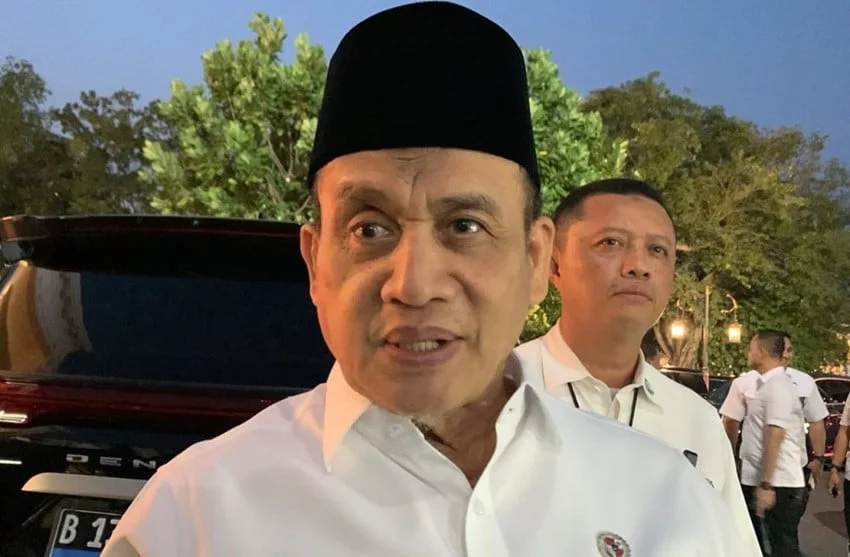
JAKARTA – The Indonesian Ministry of Religious Affairs (Kemenag) is in the process of developing educational materials aimed at preventing the spread of what it terms "LGBT culture," with plans to integrate these lessons into the national curriculum starting from the fourth grade of elementary school. This initiative, announced by Vice Minister of Religious Affairs Romo Muhammad Syafi’i, stems from a directive within Presidential Regulation (Perpres) No. 111 of 2025 concerning the General Policy on National Defense for the period 2025-2029.
Romo Syafi’i articulated that the development of these educational materials is a direct response to the classification of the spread of LGBTQ culture as a non-military threat within the aforementioned presidential regulation. "Oh LGBT… Yes, there is Perpres 111 of 2025 where the President stated that culture, if LGBT is on a personal level, it is individual. But its spread, making it a culture, that is a non-military national defense threat," Romo Syafi’i informed media personnel at the Presidential Palace Complex in Jakarta on Monday, July 20, 2026.
The Vice Minister’s statement has ignited considerable discussion regarding the integration of such sensitive topics into early education and the broader implications for the nation’s social and educational landscape. While the specific content of the curriculum is still under development, the stated intention is to equip young learners with perspectives that counter the perceived influence of LGBTQ culture.
Background and Regulatory Framework
The genesis of this curriculum development lies in the strategic direction outlined in Presidential Regulation No. 111 of 2025. This regulation, a cornerstone of Indonesia’s national defense strategy for the upcoming five-year period, delineates a comprehensive approach to safeguarding national interests, encompassing both traditional military threats and emerging non-military challenges. The inclusion of "LGBTQ culture" as a non-military threat signifies a governmental stance that views the propagation of LGBTQ identities and advocacy as potentially undermining national values and social cohesion, as interpreted by certain policymakers.
Indonesia, a nation with the world’s largest Muslim population, has a complex and often polarized public discourse surrounding LGBTQ rights and visibility. While a minority of activists advocate for greater acceptance and legal protections, societal attitudes are largely conservative, influenced by religious interpretations and traditional norms. Government policies and public statements often reflect this prevailing conservatism. The classification within Perpres 111/2025 aligns with a broader trend observed in several countries that perceive LGBTQ rights movements as foreign influences or challenges to established social orders.
Chronology of Development and Implementation
The announcement by Vice Minister Syafi’i marks a significant step in the formalization of this educational initiative. While the exact timeline for the curriculum’s development and eventual rollout remains to be fully detailed, the initial stages of material compilation are reportedly underway.
- Mid-2026: Vice Minister of Religious Affairs Romo Muhammad Syafi’i publicly announces the Ministry’s intention to develop educational materials on preventing the spread of "LGBT culture."
- July 20, 2026: The Vice Minister elaborates on the rationale, citing Presidential Regulation No. 111 of 2025 as the primary directive.
- Late 2026 – Early 2027 (Projected): The Ministry is expected to finalize the content and pedagogical approaches for these educational modules.
- 2027 onwards (Projected): The materials are intended to be integrated into the national curriculum, beginning with students in the fourth grade of elementary school (Sekolah Dasar – SD). This implies a multi-year implementation process as the curriculum progresses through higher grades.
The phased approach, starting with younger students, suggests a strategy of early intervention, aiming to shape perspectives from a formative age. The decision to begin at the fourth grade (typically around 9-10 years old) indicates a focus on foundational understanding and the development of attitudes before students are exposed to more complex social and personal issues.
Supporting Data and Contextual Information
While specific data points directly supporting the need for this curriculum within the Ministry’s framework are not publicly available at this stage, the underlying rationale often references concerns about societal values and demographic trends. Government bodies and religious organizations in Indonesia frequently express anxieties about the potential impact of Western cultural influences, including those related to LGBTQ rights, on Indonesian youth and societal norms.
Key Considerations:
- National Defense Policy: Perpres 111/2025 categorizes the spread of LGBTQ culture as a non-military threat. This places it alongside other identified threats such as transnational crime, terrorism, ideological subversion, and information warfare. The rationale behind this classification often centers on the perceived impact on national identity, social harmony, and demographic stability.
- Demographic Projections: Indonesia’s large youth population is a significant demographic factor. Policies aimed at shaping the values and attitudes of young people are often viewed as crucial for the nation’s future.
- Religious and Cultural Landscape: The prevailing social and religious climate in Indonesia strongly influences public policy and educational directives. Conservative interpretations of religious teachings often underpin societal views on sexuality and gender identity.
The lack of publicly available research or data specifically quantifying the "spread of LGBT culture" as a threat within Indonesia makes it challenging to independently verify the empirical basis for this policy. However, the framing within the national defense policy suggests a strategic assessment by the government.
Official Responses and Stakeholder Reactions
The announcement has, predictably, elicited varied reactions from different segments of Indonesian society. While the Ministry of Religious Affairs is the primary proponent, other government bodies, educational institutions, civil society organizations, and the public are key stakeholders.
Potential Reactions:
- Government Support: Ministries and agencies aligned with national defense and social policy are likely to offer support, reinforcing the directive from Perpres 111/2025. The Ministry of Education and Culture would be a crucial partner in integrating the curriculum.
- Religious Organizations: Conservative religious groups are expected to strongly endorse the initiative, viewing it as a necessary measure to uphold religious values and protect the nation’s moral fabric.
- LGBTQ Advocacy Groups: Organizations advocating for LGBTQ rights and inclusion are likely to express strong opposition. They may raise concerns about discrimination, stigmatization, and the potential for fostering a hostile environment for LGBTQ individuals. They might also question the validity of classifying LGBTQ culture as a threat.
- Human Rights Organizations: Local and international human rights organizations could voice concerns about the potential for the curriculum to infringe upon the rights to freedom of expression, non-discrimination, and education, particularly if the content is seen as biased or harmful.
- Parents and Educators: Reactions from parents and educators are likely to be diverse, ranging from support for the perceived need to protect children from certain influences to apprehension about how such sensitive topics will be handled in the classroom and the potential for controversy.
- International Scrutiny: Indonesia’s approach to LGBTQ issues often attracts international attention. This curriculum development could lead to scrutiny from international bodies and foreign governments that promote LGBTQ rights.
The Ministry of Religious Affairs, through Vice Minister Syafi’i, has emphasized that the initiative is not about personal identity but about the "spread of culture." This distinction is crucial for the government’s framing, attempting to address societal anxieties without directly targeting individuals. However, critics argue that such educational efforts can inadvertently lead to stigmatization and discrimination.
Broader Impact and Implications
The integration of curriculum aimed at countering "LGBT culture" into the national education system carries significant implications for Indonesian society, its educational landscape, and its international standing.
Key Implications:
- Social Cohesion and Stigmatization: A primary concern is the potential for the curriculum to exacerbate social divisions and foster further stigmatization of LGBTQ individuals in Indonesia. By framing LGBTQ culture as a threat, the education system may inadvertently contribute to prejudice, discrimination, and potentially even violence against those perceived to be part of the LGBTQ community. This could undermine efforts towards a more inclusive and tolerant society.
- Educational Standards and Pedagogy: The development of age-appropriate and factually accurate educational materials on complex social issues is a significant pedagogical challenge. There are concerns about the quality and neutrality of the content, as well as the training of teachers to deliver it effectively without introducing bias or causing harm. If the materials are based on misinformation or biased perspectives, they could compromise the integrity of the educational system.
- Freedom of Expression and Human Rights: The initiative raises questions about freedom of expression and the right to education free from discrimination. Critics argue that such curriculum can infringe upon the rights of LGBTQ individuals to be recognized and respected, and could limit open discussion and critical thinking about gender and sexuality.
- International Reputation: Indonesia’s approach to LGBTQ issues is closely watched by the international community, particularly by organizations promoting human rights and LGBTQ equality. This move could impact its international reputation, potentially affecting diplomatic relations, tourism, and foreign investment, especially from countries with more progressive LGBTQ policies.
- Focus on "Non-Military" Threats: The classification of LGBTQ culture as a "non-military threat" within a national defense policy is a notable aspect of the Indonesian government’s strategic thinking. It reflects a broader trend in some countries to frame social and cultural issues as security concerns, potentially broadening the scope of state intervention in areas traditionally considered private or social. This approach could set a precedent for how other social movements or cultural expressions are perceived and managed in the future.
- Potential for Legal Challenges: While the curriculum is being developed under a presidential regulation, it is not impossible that such initiatives could face legal challenges from human rights groups or individuals arguing for their unconstitutionality or violation of existing laws.
The Ministry’s stated objective is to safeguard national defense by addressing what it perceives as a cultural threat. However, the long-term impact on the well-being of LGBTQ individuals, the nature of education in Indonesia, and the nation’s commitment to inclusivity and human rights will be critical factors to observe as this policy is implemented. The debate surrounding the curriculum is likely to remain a significant point of discussion in Indonesian public discourse for the foreseeable future.