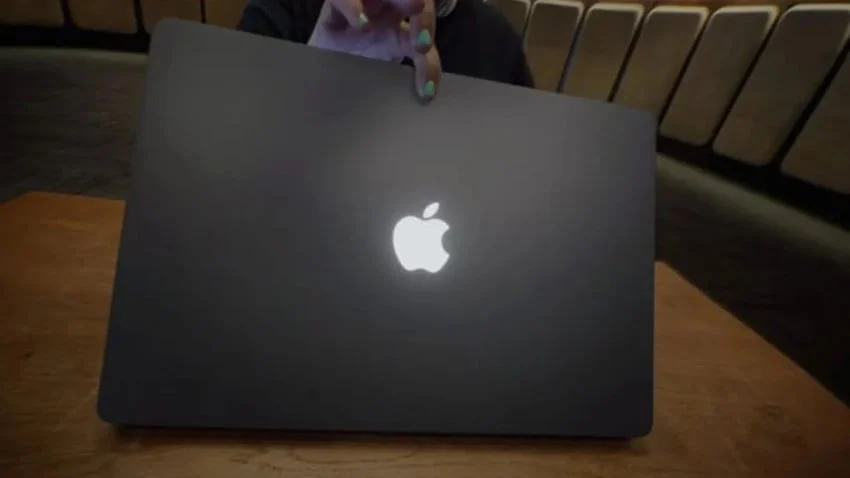
Apple Inc. has officially reintroduced one of its most beloved and recognizable design features, confirming that the iconic glowing Apple logo is making a triumphant return to its flagship laptop lineup. Unveiled during a major product showcase event at Apple Park in Cupertino, California, the newly announced MacBook Pro PROLED XDR brings back the luminous white rear logo that was phased out nearly a decade ago. This aesthetic revival is accompanied by significant engineering advancements, including a notch-free display and the long-awaited integration of touch-screen technology into the professional MacBook tier. For millions of loyal consumers and long-time Apple enthusiasts who mourned the loss of the glowing emblem, this hardware update represents a nostalgic yet thoroughly modern evolution of the company’s portable computing design philosophy.
The Evolution of MacBook Pro Design: A Decade Without the Glow
To fully understand the significance of the glowing Apple logo, one must look back at the design trajectory of the MacBook Pro over the last ten years. For a generation of students, creative professionals, and coffee shop workers, the glowing white logo positioned on the lid of a MacBook was a ubiquitous status symbol. It served as an ambient beacon in dimly lit lecture halls, boardrooms, and cafes worldwide, quietly advertising the brand while providing a sleek, premium aesthetic.
The feature relied on a clever engineering approach: the translucent plastic Apple logo was illuminated from behind by the laptop’s display backlight. This meant that whenever the MacBook’s screen was turned on, the logo on the exterior would glow. However, as industrial design trends shifted toward extreme thinness and minimalist profiles, Apple began to reevaluate its hardware architecture.
In 2016, Apple introduced a completely redesigned MacBook Pro lineup featuring a much thinner chassis, the controversial Butterfly keyboard, and the introduction of the Touch Bar. To achieve the ultra-slim profile and optimize the internal space management of the display assembly, engineers removed the backlit pathway required to illuminate the logo. The glowing translucent plastic was replaced with a polished, reflective metallic insert—often referred to as a "dead metal" logo. While this change aligned with Apple’s transition toward space-age minimalism and matched the design language of the iPhone and iPad, it sparked widespread disappointment among a vocal segment of the consumer base who felt the device had lost a fraction of its unique character.
Chronology of the Revival: From Patent Filings to Cupertino Stage
Rumors and speculation regarding the potential return of the glowing Apple logo have circulated within the technology community for years. The timeline of this hardware resurrection accelerated through a series of subtle hints, patent applications, and strategic leaks leading up to the official Cupertino keynote.
- 2015–2018: Following the 2016 redesign, various patent applications filed by Apple surfaced, indicating that the company was actively exploring ways to incorporate adjustable, multicolored, or reflective backlighting into metallic device logos without compromising structural integrity or battery efficiency.
- Early 2022: Supply chain analysts and display industry insiders began reporting that Apple was experimenting with advanced display integration techniques that could allow a backlit logo to function within thinner, higher-resolution display assemblies, such as Mini-LED and forthcoming OLED panels.
- Late 2023 to Early 2024: Anticipation mounted as modular laptop concepts and competitive Windows machines adopted customizable RGB lighting, prompting discussions among consumers about whether Apple would ever reconsider its stance on the glowing logo.
- Mid-2024: Speculation transformed into reality when Apple executive John Ternus shared a brief video clip on the social media platform X, offering a subtle glimpse of a reflective yet luminous branding element on an unreleased device.
- The Cupertino Keynote Launch: During the official autumn product rollout event in Cupertino, California, Apple executives pulled back the curtain on the MacBook Pro PROLED XDR, officially confirming that the glowing white logo has been re-engineered for the modern era. Early-access tech content creators and reviewers subsequently flooded digital platforms with hands-on previews highlighting the luminous feature in real-world environments.
Cutting-Edge Engineering and Hardware Innovations in the MacBook Pro PROLED XDR
The return of the illuminated logo is far more than a mere exercise in nostalgia; it is paired with some of the most radical hardware updates the MacBook Pro line has experienced in over a decade. The MacBook Pro PROLED XDR represents a generational leap forward in display technology, human-computer interaction, and industrial engineering.
Most notably, the device eliminates the camera notch that has polarized users since its introduction on the 2021 MacBook Pro models. By refining camera miniaturization techniques and sensor-in-display integration, Apple has delivered a truly edge-to-edge viewing experience without sacrificing FaceTime camera quality or Face ID sensor arrays. Furthermore, in a departure from Steve Jobs’ historic skepticism toward touch-enabled laptops, the new MacBook Pro PROLED XDR integrates a responsive, highly accurate touch-layer directly into its high-dynamic-range display panel. This addition offers creative professionals an intuitive dual-input method, seamlessly blending traditional macOS trackpad and keyboard navigation with direct finger-touch manipulation for tasks such as timeline scrubbing, photo editing, and illustration.
Beneath the chassis, the glowing white light emitted by the rear logo is driven by advanced micro-LED sub-components that draw negligible power from the laptop’s high-capacity battery. Apple engineers successfully redesigned the display housing to accommodate the illumination channel while maintaining the structural rigidity and thermal dissipation standards expected of a professional-grade workstation.
Industry Implications and Market Analysis
The reintroduction of a discontinued legacy design feature carries profound implications for Apple’s product strategy and brand psychology. In consumer technology, hardware iterations are typically forward-looking, characterized by the systematic removal of ports, buttons, and traditional aesthetics in the pursuit of ultra-slim profiles and internal efficiency. The MacBook Pro PROLED XDR breaks this mold by demonstrating that Apple is willing to listen to long-term consumer sentiment and resurrect beloved features when technological advancements make their return feasible without compromising performance.
From a market perspective, this move is anticipated to drive a significant upgrade cycle among professional users who have clung to older MacBook Pro models produced before 2016, specifically citing their preference for the glowing logo and traditional port layouts. Competitors in the high-end Windows laptop market, many of whom have leaned heavily into customizable RGB aesthetics and touch-screen versatility, now face an Apple ecosystem that bridges the gap between minimalist corporate professionalism and expressive personal branding.
Furthermore, supply chain analysts note that integrating the backlit logo alongside a touch-sensitive Mini-LED/OLED display underscores Apple’s dominance in advanced manufacturing and materials science. Sourcing the precise optical filters and power-efficient light guides required for the logo without introducing light bleed into the primary display panel requires rigorous quality control and specialized fabrication techniques—barriers to entry that few competitors can match at scale.
Conclusion
As the MacBook Pro PROLED XDR makes its way to retail shelves and into the hands of consumers worldwide, the glowing white Apple logo stands as a bridge between the company’s storied past and its cutting-edge future. By successfully blending historical brand identity with radical modern upgrades—such as a notch-free display and touch-screen integration—Apple has proven that evolution does not always require entirely abandoning what came before. For a generation of users who missed the familiar beacon of light in the dark, the return of the glowing logo is a welcome homecoming, reaffirming the enduring emotional connection between consumers and their tools.