The Indonesian mid-range smartphone market in 2026 continues to evolve rapidly, presenting consumers with increasingly powerful hardware options within the highly competitive Rp3 million price bracket. As manufacturers push the boundaries of what is achievable at an accessible price point, buyers no longer need to compromise significantly on core functionalities. The contemporary landscape of devices priced around Rp3 million showcases a distinct shift in consumer priorities, heavily favoring monumental battery capacities scaling up to 8,000 mAh, robust durability certifications, and the gradual democratization of 5G connectivity.
Market analysts observe that smartphone manufacturers are strategically targeting power users, field workers, and media consumption enthusiasts by packing entry-to-mid-tier processors with extraordinarily large power cells. While this price tier does not claim to represent flagship performance, the devices currently available in the market offer exceptional value for money. Pricing structures remain fluid, influenced heavily by promotional periods, regional distribution variances, and specific memory configurations chosen by the consumer.

Market Evolution and Context of the Rp3 Million Price Segment
Over recent years, the Rp3 million segment has transitioned from offering basic communication tools to delivering feature-rich daily drivers capable of handling intensive multitasking, mobile gaming, and high-definition content consumption. The year 2026 marks a milestone where manufacturers are addressing historical consumer pain points—specifically battery longevity and physical durability—without forcing buyers into higher pricing tiers.
Industry data indicates that average daily screen-on time has risen steadily, prompting brands like Xiaomi, Motorola, Vivo, Realme, and TECNO to prioritize energy efficiency and physical resilience. Concurrently, telecommunications infrastructure expansion has accelerated the demand for affordable 5G devices, compelling brands to balance high-capacity power units with modern communication standards. Consequently, consumers shopping in this category face a diverse array of specialized choices rather than homogeneous hardware configurations.
Leading Contenders in the Rp3 Million Smartphone Market
1. REDMI Note 17 4G: Multimedia Powerhouse with Advanced AI Integration
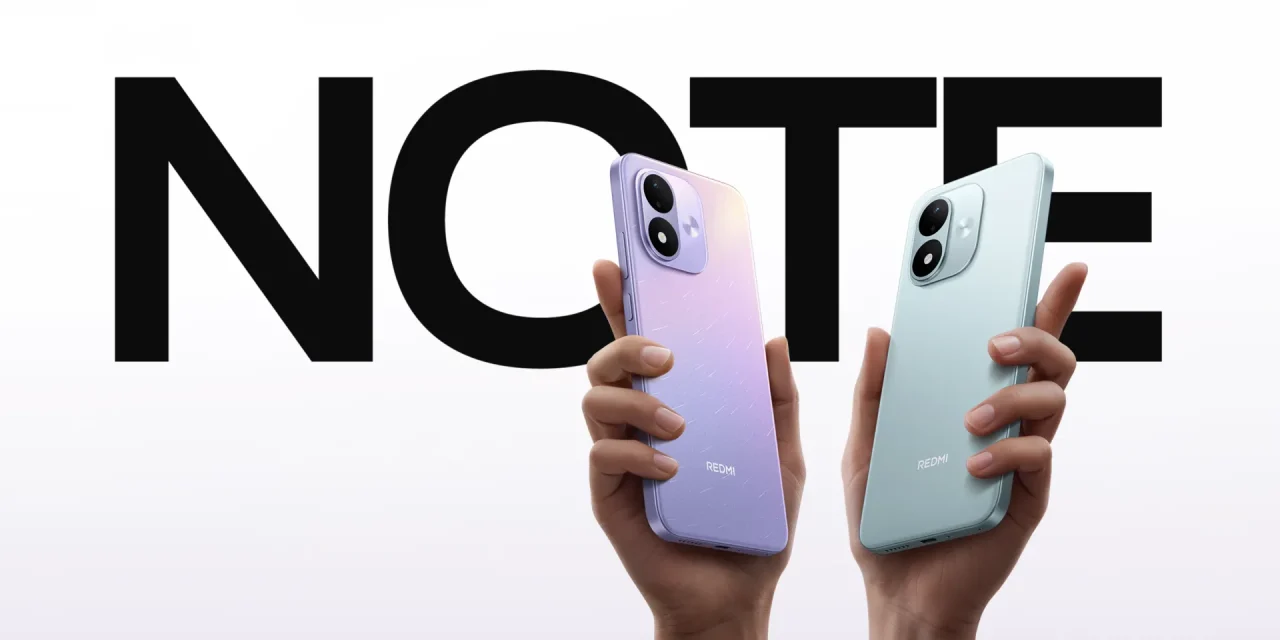
As part of Xiaomi’s expansive product refresh, the REDMI Note 17 4G enters the market as an accessible entry point into the wider REDMI Note 17 ecosystem, which also encompasses 5G variants and higher-tier Pro models. Positioned competitively, the device retails at Rp3,999,000 for the 6GB RAM and 128GB storage configuration, moving up to Rp4,299,000 for the 6GB RAM and 256GB storage variant. Promotional pricing strategies have occasionally positioned the base model at a more aggressive entry point to capture early adopters.

The device features an expansive 6.99-inch AMOLED display boasting an FHD+ resolution and a smooth 120 Hz refresh rate, catering directly to media enthusiasts who demand vibrant color reproduction and fluid scrolling. Under the hood, the smartphone relies on the Qualcomm Snapdragon 6s 4G Gen 2 system-on-chip, paired with a substantial 7,700 mAh battery that supports 45W fast charging. Imaging capabilities are handled by a 50-megapixel primary rear sensor and a 16-megapixel front-facing camera. Operating on Xiaomi’s HyperOS 3, the device incorporates modern software conveniences, including integrated Google Gemini features and Circle to Search functionality, bridging the gap between mid-range hardware and advanced software utility.
2. Motorola Moto G37: Affordable 5G Connectivity and Military-Grade Durability
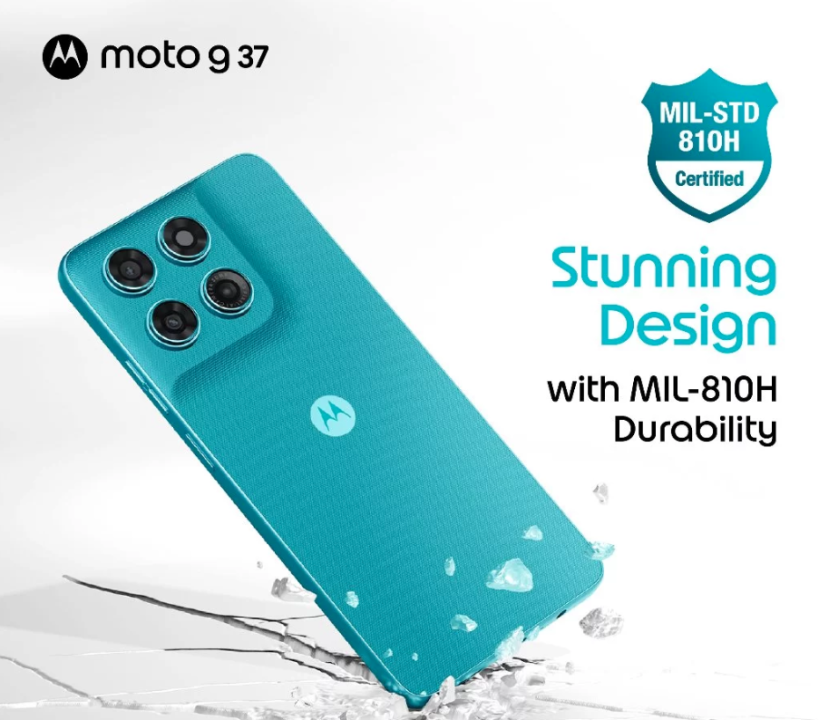
Motorola addresses the demand for next-generation mobile networks with the Moto G37, marketed as one of the most cost-effective 5G-enabled smartphones available to Indonesian consumers. Powered by the MediaTek Dimensity 6300 chipset, the device ensures seamless compatibility with modern 5G cellular infrastructure while maintaining power efficiency.
The visual interface utilizes a 6.67-inch IPS LCD panel with an HD+ resolution and a 120 Hz refresh rate, protected by Corning Gorilla Glass 7i and capable of reaching a peak brightness of 1,050 nits. Photography hardware consists of a 50-megapixel primary rear camera utilizing Quad Pixel technology, accompanied by an 8-megapixel selfie camera. Energy is supplied by a 5,200 mAh battery supporting 20W charging. Beyond connectivity, the Moto G37 distinguishes itself through robust build quality, featuring IP64 dust and water splash resistance alongside MIL-STD-810H military-grade certification for environmental durability. Running on Android 16, the device is further complemented by stereo speakers tuned with Dolby Atmos. It is offered in a 4GB RAM and 64GB storage configuration priced at Rp3,799,000.
3. Vivo Y31d: Endurance and Extreme Ingress Protection
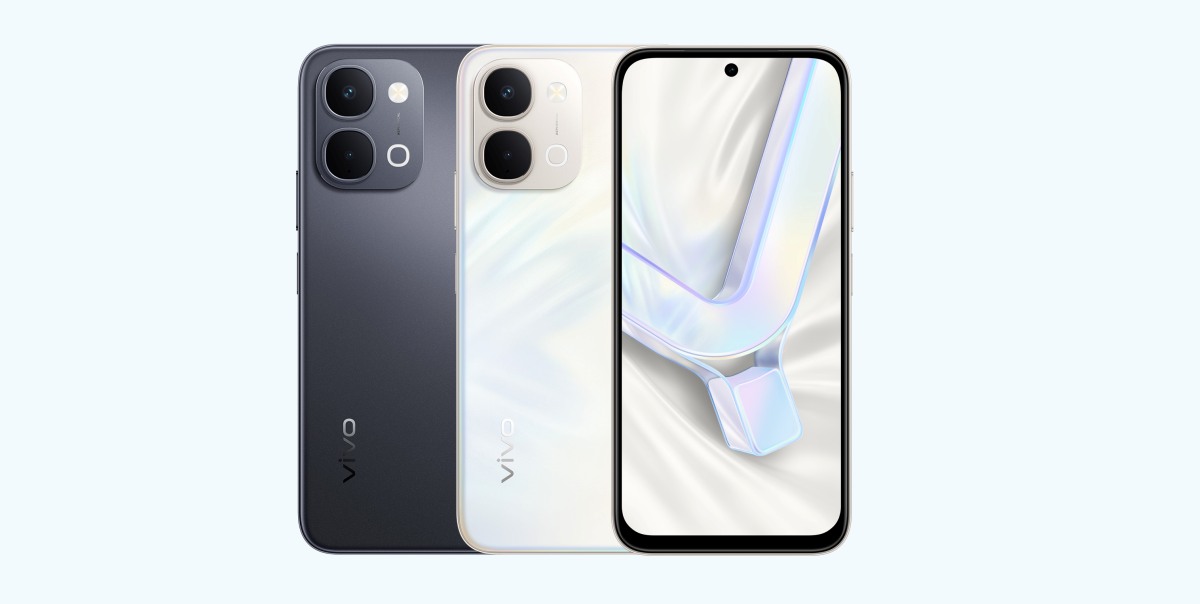
Vivo targets users requiring exceptional physical resilience and prolonged battery operation with the introduction of the Vivo Y31d. Priced at Rp3,599,000 for the 4GB RAM and 128GB storage model, this device incorporates a massive 7,200 mAh battery paired with 44W rapid charging capabilities, ensuring that extended periods away from a power outlet do not result in prolonged downtime.
Performance is driven by the Qualcomm Snapdragon 685 processor, driving a 6.75-inch IPS LCD display with HD+ resolution and a 120 Hz refresh rate. While restricted to 4G connectivity, the smartphone benefits from up-to-date software architecture, running Android 16 layered with OriginOS 6. The camera suite comprises a 50-megapixel main sensor, a 2-megapixel auxiliary lens, and an 8-megapixel front camera. The defining characteristic of the Vivo Y31d lies in its formidable environmental sealing, boasting IP68, IP69, and proprietary IP69+ certifications, alongside enhanced structural drop resistance, making it an ideal choice for outdoor professionals and field operators.
4. Realme C100x: Ultra-Long Battery Life and ArmorShell Protection
Realme addresses extreme endurance requirements through the Realme C100x, a device centered around an 8,000 mAh battery engineered to withstand thermal extremes and maintain operational capacity over a projected seven-year lifecycle. The system supports 45W fast charging to replenish the ultra-large power cell efficiently.
Constructed for structural longevity, the C100x integrates ArmorShell protection, rated to withstand impact from drops of up to 2 meters, alongside an IP64 dust and water-resistance rating. The display measures 6.8 inches utilizing an IPS LCD panel with HD+ resolution and a 120 Hz refresh rate. Performance is managed by the Unisoc T7250 SoC, coupled with LPDDR4X RAM and eMMC 5.1 storage. Photography is handled by a 50-megapixel rear camera and a 5-megapixel front-facing sensor. The device is available in two configurations: 6GB RAM with 128GB storage priced at Rp3,339,000, and a 6GB RAM with 256GB storage variant retailing at Rp3,799,000.
5. TECNO Spark 50: Specialized Communication Features for Remote Environments
Rounding out the mid-range landscape, the TECNO Spark 50 focuses on delivering high-capacity power and innovative connectivity solutions within a competitive pricing framework. Available in multiple configurations—4GB/128GB at Rp3,060,000, 6GB/128GB at Rp3,500,000, and 8GB/128GB at Rp3,700,000—the device caters to a wide spectrum of budget preferences.
The smartphone features a 7,000 mAh battery with 18W charging support and includes NFC functionality. Visual output is delivered via a 6.78-inch IPS LCD panel supporting HD+ resolution and a 120 Hz refresh rate, powered by the MediaTek Helio G81 processor. The camera array features a 50-megapixel primary sensor and an 8-megapixel front camera, augmented by AI FlashSnap technology. Notably, the TECNO Spark 50 introduces FreeLink 2.0 technology, a proprietary feature designed to facilitate direct device-to-device communication in areas with weak or absent cellular networks, achieving operational ranges of up to 1.5 kilometers in unobstructed open spaces. The device runs on Android 16 with HiOS 16 and carries an IP64 rating.

Comparative Specifications Overview
| Specification | REDMI Note 17 4G | Motorola Moto G37 | Vivo Y31d | Realme C100x | TECNO Spark 50 |
|---|---|---|---|---|---|
| Display | 6.99" AMOLED, 120Hz | 6.67" IPS LCD, 120Hz | 6.75" IPS LCD, 120Hz | 6.8" IPS LCD, 120Hz | 6.78" IPS LCD, 120Hz |
| Processor | Snapdragon 6s 4G Gen 2 | MediaTek Dimensity 6300 | Snapdragon 685 | Unisoc T7250 | MediaTek Helio G81 |
| Battery Capacity | 7,700 mAh | 5,200 mAh | 7,200 mAh | 8,000 mAh | 7,000 mAh |
| Charging Speed | 45W | 20W | 44W | 45W | 18W |
| Main Camera | 50 MP | 50 MP | 50 MP + 2 MP | 50 MP | 50 MP |
| Connectivity | 4G, NFC | 5G, NFC | 4G, NFC | 4G, NFC | 4G, NFC |
| Durability | IP65 | IP64, MIL-STD-810H | IP68, IP69, IP69+ | IP64, ArmorShell | IP64 |
| Starting Price | Rp3,699,000 (Promo) | Rp3,799,000 | Rp3,599,000 | Rp3,339,000 | Rp3,060,000 |
Strategic Implications and Consumer Guidance
The availability of these diverse options in 2026 demonstrates that the Rp3 million smartphone category has matured past generalized compromises. Consumers prioritizing high-frequency content consumption and advanced software features may find the AMOLED display and AI integrations of the REDMI Note 17 4G appealing. Conversely, users requiring future-proof cellular standards will lean toward the Motorola Moto G37 for its 5G capabilities and military-grade durability.
Field operatives, delivery personnel, and users operating in demanding environments are well-served by the ruggedized physical build and extensive battery reserves found in the Vivo Y31d, Realme C100x, and TECNO Spark 50. Ultimately, prospective buyers are advised to evaluate their individual usage patterns—balancing raw battery longevity, processing performance, connectivity requirements, and structural durability—before finalizing a purchase. Market dynamics suggest that verifying current promotional pricing and stock availability across authorized retail channels remains essential to securing the optimal value within this competitive segment.