JAKARTA — PT PLN Energi Primer Indonesia (PLN EPI), a strategic sub-holding of Indonesia’s state-owned electricity enterprise PT PLN (Persero), has officially commended the significant surge in biomass supply absorption at the Rembang Steam Power Plant (PLTU Rembang) located in Central Java. The facility successfully recorded a biomass intake of nearly 185,000 tons throughout the fiscal year 2025. This achievement marks a monumental milestone in the country’s ongoing energy transition, demonstrating tangible progress in the nationwide implementation of the biomass cofiring program—a critical initiative designed to diminish carbon emissions from coal-fired power plants without requiring a complete overhaul of existing infrastructure.
The rapid scaling of biomass utilization at PLTU Rembang underscores the effectiveness of coordinated supply chain logistics and innovative material management. By integrating organic waste, agricultural residues, and wood pellets into coal-fired boilers, the power plant has successfully substituted a notable portion of fossil fuels with renewable energy sources. This operational shift not only contributes directly to Indonesia’s broader Nationally Determined Contributions (NDC) under the Paris Agreement but also establishes a scalable blueprint for other thermal power plants across the archipelago.
Multi-Year Growth Trajectory and Supply Chain Expansion
The upward trajectory of biomass absorption at PLTU Rembang reflects a meticulously planned operational scaling strategy executed by PLN EPI in collaboration with local fuel providers, forestry enterprises, and agricultural cooperatives. Historical data released by PLN EPI indicates a consistent, exponential growth in biomass intake over a three-year period.
In 2023, the facility received approximately 76,000 tons of biomass. This figure experienced a substantial leap the following year, reaching approximately 118,000 tons in 2024. The momentum accelerated further into 2025, culminating in a record-breaking intake of nearly 185,000 tons. This continuous growth highlights the strengthening of the domestic biomass supply ecosystem, which involves transforming agricultural byproducts—such as rice husks, sawdust, palm oil empty fruit bunches, and energy crops—into standardized fuel pellets suitable for industrial power generation.
During an official working visit to the facility in late October 2026, PLN EPI Director of Biomassa Hokkop Situngkir expressed profound appreciation for the operational achievements and logistical innovations implemented at the Central Java plant.
"PLTU Rembang has emerged as one of the leading power plants in terms of biomass absorption volume throughout 2025. I am exceptionally pleased with both the volume of material received and the pioneering operational innovations introduced by the management team on the ground," Situngkir stated during a press briefing in Jakarta.
Innovative Logistics and Storage Solutions
Managing large volumes of solid biomass presents distinct engineering and logistical challenges compared to handling conventional fossil fuels like coal. Biomass materials possess lower energy densities, varying moisture contents, and distinct handling characteristics that require specialized storage and processing facilities to prevent spontaneous combustion, degradation, and logistical bottlenecks.
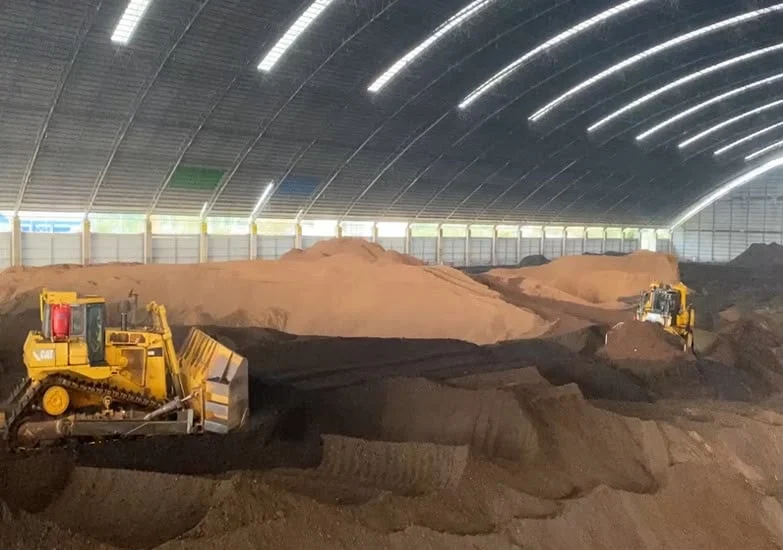
To address these challenges, PLTU Rembang developed an advanced material handling and storage system designed to maximize operational efficiency. According to Situngkir, the plant’s management introduced a bifurcated storage architecture featuring two distinct operational zones complemented by dual access points.
This dual-zone configuration allows plant operators to seamlessly divert incoming biomass shipments to an alternative storage area whenever one zone reaches full capacity. Consequently, continuous truck offloading, sorting, and storage procedures can proceed without causing bottlenecks or halting day-to-day operations at the plant.
Furthermore, the facility features two strategically positioned entry access points—specifically designated as the northern and southern gates. Each access corridor possesses a handling capacity of approximately 13,000 tons of biomass. This dual-access layout optimizes heavy vehicle traffic flow, reduces turnaround times for logistics fleets, and minimizes localized traffic congestion around the power plant perimeter.
Through these localized engineering solutions, PLTU Rembang has successfully maintained a steady cofiring ratio ranging between 5 and 10 percent. At this substitution rate, the plant displaces thousands of tons of coal every month, translating to a substantial reduction in sulfur dioxide, nitrogen oxides, and carbon dioxide emissions.
Strategic Role in National Energy Transition
The expansion of biomass cofiring at PLTU Rembang is part of a larger, systemic strategy spearheaded by PLN and its sub-holdings to green the national energy portfolio. As Indonesia navigates its commitment to achieving Net Zero Emissions (NZE) by 2060 or sooner, the immediate retirement of all existing coal-fired power plants remains economically and operationally challenging due to long-term power purchase agreements and energy security requirements.
Cofiring serves as a critical transitional bridge. By blending biomass with coal, PLN can immediately lower the carbon intensity of existing thermal assets without sacrificing grid reliability or base-load capacity. This approach buys crucial time for the gradual introduction of variable renewable energy sources, such as large-scale solar and wind farms, while simultaneously fostering a circular green economy in rural regions.
The procurement of biomass creates a robust secondary economy. Farming communities, local enterprises, and forestry groups are integrated into the formal energy supply chain. Instead of burning agricultural waste—a common practice that contributes to localized air pollution and haze—farmers can monetize agricultural residues by supplying them to nearby processing hubs managed or vetted by PLN EPI. This decentralized supply model not only guarantees a sustainable fuel feedstock for power generators but also generates alternative revenue streams for rural populations.
Broader Implications and Future Outlook
The success observed at PLTU Rembang offers valuable lessons for the broader Indonesian power sector. As PLN EPI continues to evaluate performance metrics across its fleet of thermal generation units, the logistical frameworks deployed in Central Java are expected to serve as best-practice benchmarks.
Industry analysts note that scaling biomass cofiring nationwide will require sustained capital investments in preprocessing infrastructure, strict quality control standards for pelletized fuel, and long-term regulatory frameworks that guarantee fair pricing for biomass producers. Ensuring a stable, multi-year supply of raw materials remains paramount as PLN aims to increase cofiring percentages across dozens of other coal-fired plants in Java, Sumatra, Kalimantan, and eastern Indonesia.
Looking ahead, PLN EPI remains committed to optimizing the entire primary energy supply chain. Beyond biomass expansion, the organization continues to manage and diversify other vital energy assets, ensuring fuel security for gas-fired power plants, such as recent initiatives involving the channeling of Natuna natural gas to reinforce electricity generation in Batam.
Nevertheless, the remarkable performance of PLTU Rembang in 2025 demonstrates that technical innovation, combined with rigorous supply chain management, can effectively transform traditional fossil-fuel infrastructure into active participants in Indonesia’s green energy transition. As institutional support and community involvement continue to deepen, facilities like PLTU Rembang stand as proof that industrial decarbonization is not merely a long-term aspiration, but an achievable reality currently unfolding across the nation’s energy landscape.