Jakarta, the sprawling capital of Indonesia, is witnessing a notable reduction in the daily volume of waste transported to the Bantargebang Integrated Waste Treatment Site (TPST) in Bekasi, West Java. Governor of DKI Jakarta, Pramono Anung, announced that the number of waste trucks entering Bantargebang has decreased significantly, dropping from approximately 1,200 trucks per day to around 900. This positive development, observed as of Tuesday, July 21, is attributed to the increasingly massive implementation of waste sorting initiatives across Jakarta’s communities. The DKI Provincial Government is committed to further intensifying these efforts, alongside a strategic push to reactivate and invest in Tempat Pengolahan Sampah Reduce, Reuse, Recycle (TPS3R) facilities, aiming to create a more sustainable and decentralized waste management system for the megacity.
Addressing Jakarta’s Monumental Waste Challenge
Jakarta, with its population exceeding 10 million residents, generates an enormous volume of waste daily, estimated to be between 7,000 to 8,000 tons. For decades, the vast majority of this waste has been transported to the Bantargebang TPST, located in the neighboring city of Bekasi. This immense landfill, one of the largest in Southeast Asia, has long been a critical yet overburdened cornerstone of Jakarta’s waste management strategy. However, its reliance on a centralized dumping model has led to significant environmental and social challenges. Bantargebang faces issues such as diminishing capacity, the generation of potent greenhouse gases (primarily methane), leachate contamination of soil and groundwater, and persistent odor complaints from surrounding communities. The environmental strain and the logistical complexities of transporting thousands of tons of waste over long distances underscore the urgent need for more diversified and sustainable waste management solutions. The projected lifespan of the landfill, coupled with increasing environmental awareness and the demands for cleaner urban environments, has pushed the DKI Provincial Government to explore and implement more progressive waste management paradigms.
The Impact of Intensified Waste Sorting Initiatives
Governor Pramono Anung highlighted the direct correlation between heightened public participation in waste sorting and the tangible reduction in waste volume reaching Bantargebang. "Previously, about 1,200 trucks would enter Bantargebang every day. Now, that number has decreased, even dropping to around 900 in recent times," Pramono stated, as quoted by Antara on July 21. This reduction, a drop of roughly 25%, signifies a substantial shift in the waste stream. Waste sorting, or "pilah sampah," involves segregating waste at the source into categories such as organic, inorganic (recyclables like plastic, paper, glass, metal), and residual waste. By separating waste, valuable materials can be recovered for recycling, and organic waste can be processed into compost or biogas, thus diverting a significant portion from landfills. The DKI Provincial Government views this citizen-led initiative as fundamental to overcoming the capital’s persistent waste problem. The governor stressed the importance of sustaining and expanding these programs, urging all Jakarta residents to actively participate in proper waste segregation. This behavioral change, though challenging to implement on a city-wide scale, is crucial for fostering a circular economy where waste is seen as a resource rather than merely refuse.
Revitalizing Decentralized Waste Management: The TPS3R Strategy
Beyond encouraging individual waste sorting, the DKI Provincial Government is embarking on a comprehensive plan to reactivate and strengthen its network of Tempat Pengolahan Sampah Reduce, Reuse, Recycle (TPS3R) facilities. These decentralized waste processing sites play a pivotal role in managing waste closer to its source, minimizing the need for long-haul transportation to Bantargebang. TPS3Rs are designed to process mixed waste from residential areas, extracting recyclables, composting organic materials, and ultimately reducing the volume of residual waste that must be sent to the landfill. Governor Pramono Anung expressed his optimism that processing waste at TPS3R facilities would substantially decrease the amount of residual waste ultimately delivered to Bantargebang.
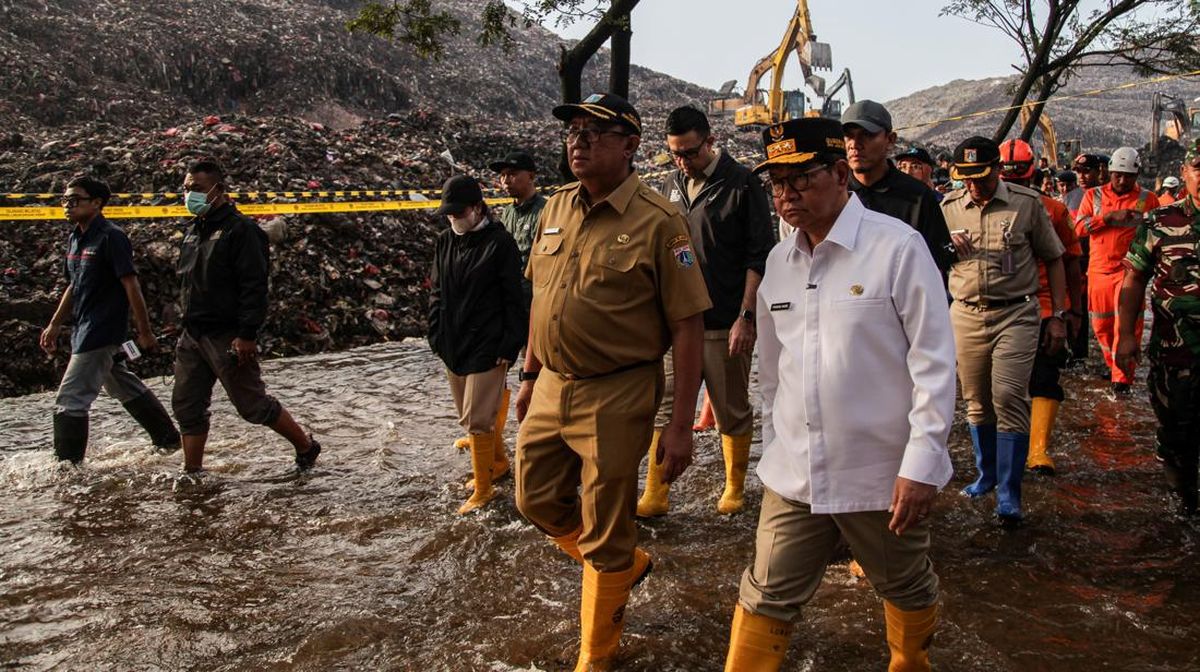
To achieve this, the Jakarta administration plans significant investment in new equipment for these facilities and will actively pursue collaborations with the private sector. This partnership model is expected to bring in expertise, technology, and additional funding, enhancing the efficiency and sustainability of TPS3R operations. The governor emphasized the goal: "We are investing in several pieces of equipment and also collaborating with the private sector so that waste can be processed at TPS3Rs before it even reaches Bantargebang. Hopefully, this will significantly reduce the residue that still needs to be sent to Bantargebang." As a testament to this commitment, Pramono Anung announced plans to personally inspect four to five TPS3R locations, underscoring the government’s hands-on approach to ensuring the success of this vital program. The revitalization of TPS3Rs is not just about waste reduction; it’s about creating local hubs for resource recovery, potentially generating employment opportunities, and fostering community engagement in waste management. Historically, while TPS3Rs have existed, many have operated below their full potential due to issues like funding, maintenance, and market access for processed materials. The current push aims to address these limitations comprehensively.
Phasing Out Open Dumping: A Shift to Controlled Landfill
In a related and equally significant development, the DKI Provincial Government has initiated a phased cessation of open dumping practices at the Bantargebang TPST. This move marks a critical step towards modernizing landfill operations and mitigating environmental harm. The initial phase commenced on Friday, July 17, with the closure of two active waste disposal zones, signifying the transition to a "controlled landfill" system. Dudi Gardesi, Head of the DKI Jakarta Environmental Agency (DLH), explained the immediate actions taken: "The installation of cover media is a tangible step to reduce odors, help control gas emissions, and minimize the formation of leachate due to rainwater entering the waste piles."
Open dumping, a rudimentary method of waste disposal, involves simply depositing waste in open areas without proper environmental controls. This practice leads to numerous problems, including air pollution from burning waste, proliferation of pests and disease vectors, uncontrolled release of methane gas (a potent greenhouse gas), and the generation of highly polluting leachate that contaminates soil and water bodies. In contrast, a controlled landfill system incorporates engineering measures to minimize environmental impact. These measures include daily covering of waste with soil or other inert materials, compaction of waste, rudimentary leachate collection and treatment, and some form of gas management. While not as advanced as a full sanitary landfill, controlled landfill represents a substantial improvement, drastically reducing odors, mitigating methane emissions, and limiting the generation and spread of leachate. The phased implementation at Bantargebang reflects a commitment to gradually upgrade the facility’s environmental performance, moving away from past practices that have long drawn criticism.
Broader Implications and Future Outlook for Jakarta’s Waste Management
The combined strategies of intensified waste sorting, TPS3R revitalization, and the shift to controlled landfill at Bantargebang hold profound implications for Jakarta’s environmental sustainability, public health, and economic development. Environmentally, these initiatives contribute significantly to reducing greenhouse gas emissions, particularly methane from decomposing organic waste, thereby supporting Indonesia’s climate change mitigation goals. Less waste sent to landfills means reduced land consumption and a prolonged lifespan for existing facilities. Furthermore, better management of leachate and landfill gas improves local air and water quality for communities surrounding Bantargebang.
Economically, a robust waste sorting and processing infrastructure can stimulate the recycling industry, create new green jobs in collection, sorting, processing, and manufacturing, and promote resource recovery. By transforming waste into valuable commodities like compost, recycled plastics, or even energy, Jakarta can unlock new economic opportunities and reduce its reliance on virgin materials. Socially, the emphasis on community participation in waste sorting fosters a sense of collective responsibility and environmental stewardship among residents. Improved waste management also directly contributes to better public health outcomes by reducing disease vectors associated with unmanaged waste and improving living conditions.
Despite these promising developments, significant challenges remain. Sustaining public engagement in waste sorting requires continuous education, awareness campaigns, and convenient infrastructure. Scaling up the TPS3R network demands substantial and consistent funding, effective land acquisition, and the development of reliable markets for recycled and composted products. Regulatory enforcement, technological integration, and ensuring the long-term operational sustainability of these decentralized facilities will also be critical. Jakarta’s journey towards a truly circular waste management system is ongoing, but the recent successes, particularly the reduction in waste truck traffic, offer a tangible indication that an integrated approach involving government commitment, private sector partnership, and active community participation is beginning to yield positive results. The vision is for Jakarta to transition from a linear "take-make-dispose" model to a more sustainable, resource-efficient urban ecosystem.