The hallowed tradition of nurturing homegrown talent at Manchester United received a significant reaffirmation this past Saturday as a youthful squad delivered a resounding 5-0 victory over Norwegian side Rosenborg BK in a pre-season friendly held at the Lerkendal Stadion in Trondheim. The performance, characterized by vibrant attacking play and defensive solidity, drew high praise from coaching staff, particularly from Michael Carrick, who highlighted the positive impact and collective spirit of the club’s emerging stars. This comprehensive win not only provided crucial minutes for a blend of established and burgeoning players but also offered a tantalizing glimpse into the potential depth and future direction of the club’s senior squad.
Dominant Display in Trondheim: A Youthful Masterclass
The match in Trondheim served as an early barometer for Manchester United’s pre-season preparations, showcasing a team that combined experience with youthful exuberance. The scoreline of 5-0 reflected a performance of considerable control and attacking prowess, particularly in the second half where the younger contingent truly came to the fore. The opening goal was secured by the more experienced Joshua Zirkzee, a player already integrated into the senior setup, setting the tone for what was to become a goal-fest. However, the subsequent four goals were netted exclusively by academy graduates: Shea Lacey, Jacob Devaney, Harry Amass, and Ethan Williams. This remarkable spree from the youth brigade underscored their readiness to compete at a higher level and their ability to convert opportunities under match conditions.
Beyond the goal scorers, other academy products also made their mark. Jaydan Kamason demonstrated his creative flair by providing two crucial assists, directly contributing to the team’s attacking success. Equally impressive was the defensive resilience exhibited, culminating in a clean sheet maintained by young goalkeepers Radek Vitek and Dermot Mee. Their assured performances between the posts against a professional European opponent spoke volumes about their composure and readiness to step up. The collective effort, as noted by Carrick, painted a picture of a cohesive unit, playing with purpose and a shared understanding, belying their relatively limited senior experience.
Carrick’s Acclaim: Validation of Academy Investment
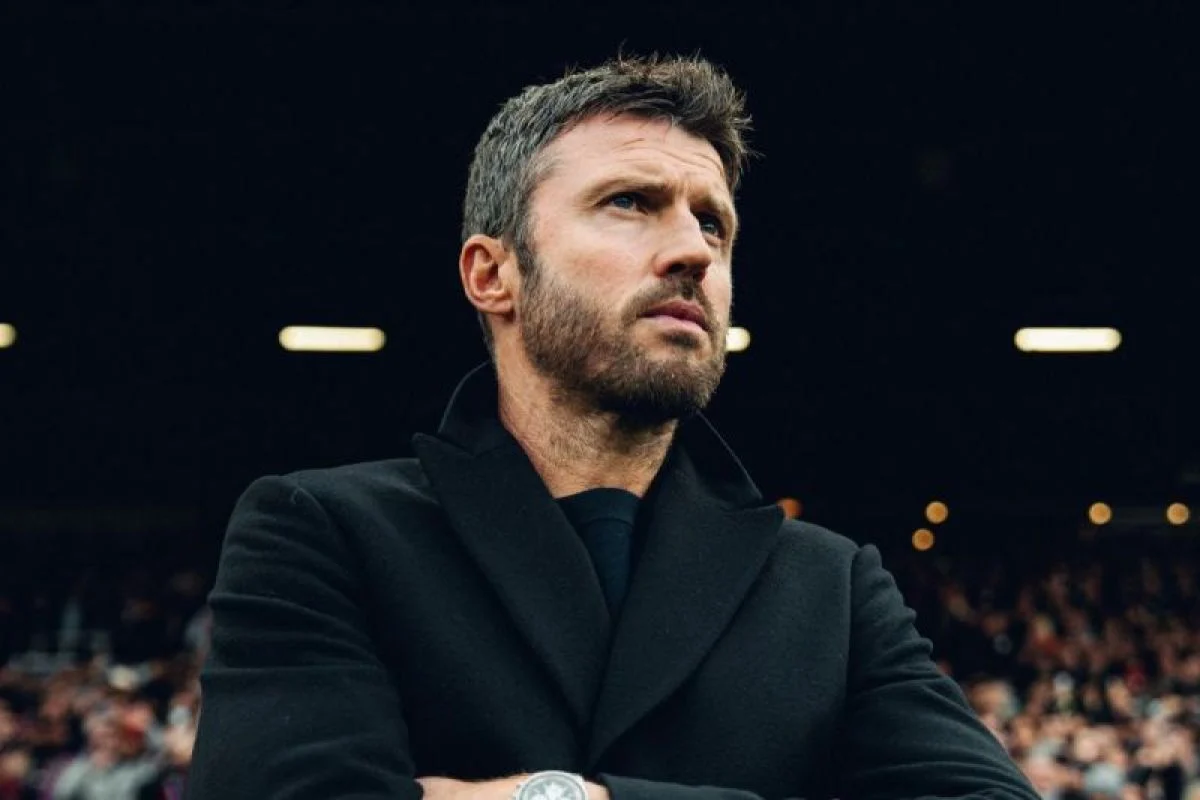
Following the emphatic victory, Manchester United coach Michael Carrick was effusive in his praise for the young players, articulating a sentiment that resonates deeply within the club’s philosophy. "They played as a team with great cohesion and deserved what they got in the second half," Carrick stated on the official Manchester United website. This statement is more than just a casual compliment; it signifies an endorsement of the club’s long-standing commitment to youth development and the efficacy of its academy system. Carrick’s observations extended beyond the immediate result, touching upon the psychological aspect of their performance. He noted the young players’ ability to "play freely" and their inherent capacity for improvement, suggesting a promising trajectory for their careers.
"They all possess potential in their own way," Carrick concluded, a concise yet powerful affirmation that acknowledges the individual qualities and diverse skill sets present within the group. Such a statement from a figure like Carrick, who himself emerged from a strong youth system and had a distinguished career at the highest level, carries significant weight. It not only boosts the morale of the players involved but also sends a clear message throughout the academy ranks: that the pathway to the first team remains open and performance will be recognized and rewarded. This managerial endorsement is critical in fostering an environment where young talents feel valued and motivated to push their boundaries.
The Match Unfolded: A Chronology of Goals and Grit
The pre-season encounter against Rosenborg unfolded with a distinct narrative arc, starting with a cautious but controlled approach and culminating in a dominant second-half display. The initial exchanges saw Manchester United assert their technical superiority, patiently probing the Rosenborg defense. The breakthrough arrived relatively early, a testament to the focused start. Joshua Zirkzee, exhibiting the predatory instincts expected of a senior striker, capitalized on an opportunity to put United ahead. This goal provided the initial impetus, allowing the team to settle into a rhythm.
As the first half progressed, United maintained possession and control, though Rosenborg, a seasoned competitor in their domestic league, offered some resistance, albeit limited. The real transformation occurred after the half-time interval, following tactical adjustments and fresh legs introduced from the bench. It was in this period that the youthful exuberance of the academy players truly shone. Shea Lacey, known for his technical prowess and attacking flair, extended United’s lead with a well-taken goal, demonstrating composure beyond his years. This was quickly followed by Jacob Devaney, who found the back of the net, showcasing his ability to arrive late in the box and convert chances.
The momentum became irreversible as Harry Amass, typically a defender, ventured forward to score, highlighting the team’s fluid play and the freedom given to players to express themselves across positions. The final goal came from Ethan Williams, sealing the comprehensive victory and capping off a memorable outing for the academy stars. Throughout the second half, the interplay between the young players was particularly noticeable, with Jaydan Kamason’s incisive passing and vision creating critical opportunities. The clean sheet, protected diligently by Vitek and Mee, further cemented the impressive collective performance, emphasizing not just attacking prowess but also defensive discipline from the entire squad.
Emerging Talents: Profiles of United’s Future Stars
The friendly against Rosenborg served as a significant platform for several of Manchester United’s most promising academy prospects. While specific detailed career statistics for these young players at senior level are limited given their age, their performances in Trondheim offered concrete evidence of their potential.
-
Joshua Zirkzee: While not a youth academy graduate of Manchester United, Zirkzee represents a blend of experience and potential, having already garnered attention in European leagues. His opening goal demonstrated the composure and clinical finishing that the club seeks in its attacking options. His presence provides a valuable link between the senior and youth elements of the squad during pre-season.
-
Shea Lacey: A highly-rated attacking midfielder or winger, Lacey is celebrated for his exceptional dribbling ability, close control, and creative vision. His goal against Rosenborg underscored his knack for finding space and executing precise finishes, attributes that have seen him rapidly progress through the youth ranks and earn comparisons to agile, technically gifted playmakers.
-
Jacob Devaney: As a midfielder, Devaney is often praised for his box-to-box energy, intelligent positioning, and ability to contribute both defensively and offensively. His goal from midfield showcased his willingness to break into the final third and his capacity to convert chances, indicating a player with a strong all-around game and a high work rate.
-
Harry Amass: Predominantly a full-back, Amass’s goal highlights the modern full-back’s role in contributing to attacking play. Known for his athleticism, defensive solidity, and willingness to surge forward, his ability to score from open play suggests a versatility and attacking intent that could make him a valuable asset in wide areas.
-
Ethan Williams: An attacking player, often deployed on the wing, Williams is characterized by his pace, directness, and ability to beat defenders. His goal against Rosenborg was a testament to his attacking instincts and finishing capabilities, offering a dynamic threat in the final third.
-
Jaydan Kamason: As a creative midfielder or forward, Kamason’s two assists were a standout feature of the game. His vision, passing range, and ability to unlock defenses are highly valued traits, indicating a player who can dictate play and provide crucial service to attackers.
-
Radek Vitek & Dermot Mee: These young goalkeepers, sharing the responsibility and securing a clean sheet, demonstrated commendable shot-stopping abilities and command of their penalty area. Their performances provided reassurance regarding the depth in the goalkeeping department, crucial for maintaining defensive solidity throughout the season.
These profiles, though brief, underscore the diverse talents Manchester United is cultivating, each player bringing unique attributes that align with various tactical needs.
Strategic Context: Manchester United’s Enduring Youth Philosophy
Manchester United’s commitment to youth development is not merely a modern trend but a deeply ingrained ethos that dates back to the "Busby Babes" and was famously rekindled with the "Class of ’92." This philosophy, which prioritizes nurturing talent from within, forms a cornerstone of the club’s identity and long-term strategy. The performance against Rosenborg is a contemporary manifestation of this enduring commitment. In an era where transfer fees can be exorbitant and squad depth is paramount, investing in a robust academy system offers both sporting and financial dividends.
The club operates a comprehensive youth academy that identifies, recruits, and develops players from a very young age, guiding them through various age groups (U18, U21) with a clear pathway to the first team. Regular opportunities in pre-season friendlies, domestic cup competitions, and potentially loan spells are crucial steps in this developmental journey. The positive impact noted by Carrick reflects the successful implementation of this strategy, providing a strong foundation for future squad building and ensuring a continuous supply of talent imbued with the club’s values and playing style. This systematic approach ensures that when opportunities arise, as they did against Rosenborg, the young players are adequately prepared to seize them.
Pre-Season Imperatives: Fitness, Form, and Fresh Faces
Pre-season friendlies serve multiple critical purposes beyond just testing new tactics or integrating new signings. They are fundamental for building match fitness, allowing players to regain sharpness after the off-season, and for coaches to evaluate the entire squad. The fixture against Rosenborg fit perfectly into this framework. For the established players, it was an opportunity to shake off rust and begin building rhythm. For the younger players, it was an invaluable chance to impress the coaching staff, demonstrate their progression, and stake a claim for more significant roles in the upcoming season.
The comprehensive nature of the victory and the clean sheet underscore that the team, even with its youthful composition, is taking its pre-season seriously. It allowed for experimentation with different formations, player combinations, and tactical approaches in a competitive, yet low-stakes, environment. The ability of the young players to adapt to the demands of senior football, both physically and mentally, is a key metric coaches look for. Their successful outing in Trondheim suggests a promising blend of talent and preparedness, vital as the club navigates a demanding season across multiple competitions.
Implications for the Upcoming Season: Depth, Development, and Expectations
The impressive display by Manchester United’s young players against Rosenborg carries significant implications for the club’s strategy in the forthcoming season. Firstly, it provides crucial depth to the squad. A strong contingent of ready-to-perform academy graduates can reduce the immediate pressure to enter the transfer market for certain positions, allowing resources to be focused on areas of critical need. This internal development pathway is far more sustainable and aligns with the club’s long-term vision.
Secondly, the performance will undoubtedly boost the confidence and morale of the players involved. Such a positive experience on a senior stage can be a powerful catalyst for their continued development, encouraging them to train harder and aspire for greater first-team involvement. It also reinforces the belief within the academy that hard work pays off and that opportunities are genuinely available.
Thirdly, for fans, seeing homegrown talent flourish is always a source of immense pride and excitement. It strengthens the emotional connection between the supporters and the club, reinforcing the unique identity that Manchester United has cultivated over decades. The anticipation surrounding these young prospects will likely grow, creating a positive atmosphere around the club as the new season approaches. The performance also sets a certain level of expectation, indicating that these players are not just making up the numbers but are genuinely pushing for senior roles.
Looking Ahead: The Atletico Madrid Test
Following this encouraging start to their pre-season campaign, Manchester United faces a significantly sterner test next Saturday against Spanish giants Atletico Madrid. This friendly, scheduled to take place at the Strawberry Arena in Solna, Sweden, will represent a considerable step up in competition. Atletico Madrid, renowned for their tactical discipline, defensive solidity, and aggressive pressing, will provide a more accurate gauge of the squad’s readiness for the rigours of top-flight football.
For the young players who shone against Rosenborg, the match against Atletico will be an invaluable experience. It will expose them to a different level of intensity, tactical complexity, and physical challenge. While the emphasis in pre-season remains on fitness and integration, their performance against a Champions League-calibre opponent will offer crucial insights into their potential to compete at the highest level consistently. It will also be an opportunity for the coaching staff to assess how these emerging talents cope under pressure and adapt to more sophisticated tactical schemes, providing a clearer picture of their immediate first-team prospects.
A Legacy Continues: The Financial and Cultural Value of Homegrown Talent
The cultural significance of homegrown talent at Manchester United cannot be overstated. It is a vital component of the club’s DNA, fostering a sense of identity and continuity that resonates deeply with fans. Beyond the emotional connection, there are tangible financial benefits to a successful youth development program. Producing players who can contribute to the first team significantly reduces the need for expensive transfers, allowing for more strategic investment in other areas. Furthermore, players who develop within the club often possess a stronger understanding of its philosophy and culture, potentially leading to greater loyalty and commitment.
The performance against Rosenborg, therefore, is more than just a pre-season friendly victory; it is a reaffirmation of a core club principle and a promising indicator of future success. It suggests that Manchester United is successfully continuing its legacy of developing world-class talent from within, ensuring that the pipeline from academy to first team remains robust and productive. As the club navigates the demands of modern football, the ability to consistently integrate promising youth into the senior squad will be a critical factor in maintaining its competitive edge and upholding its storied tradition. The positive impact of these young players is a testament to the club’s enduring vision and a beacon of hope for an exciting future.