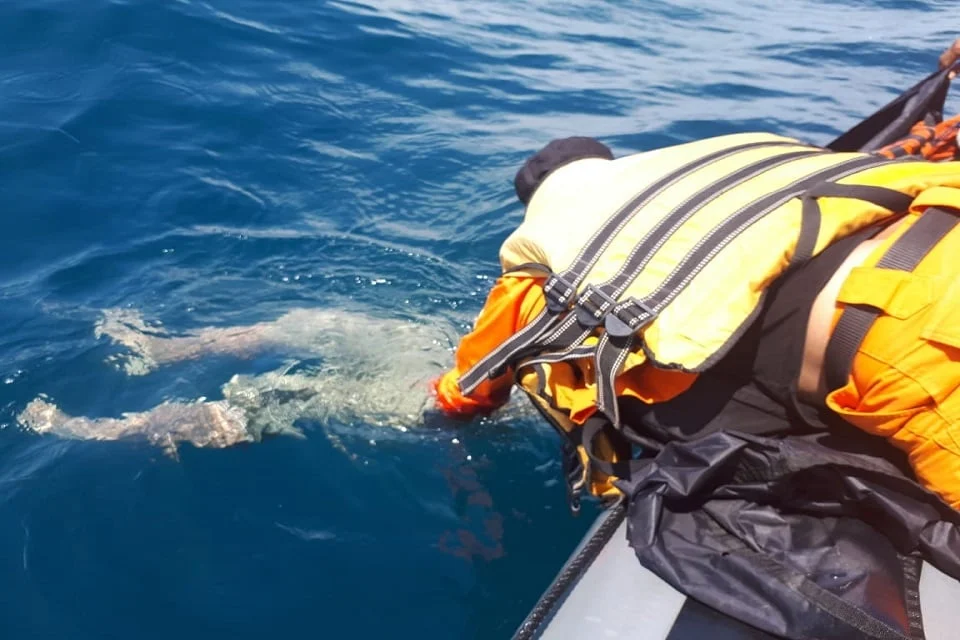
The management of human remains is a foundational pillar of Islamic ethics, categorized under the doctrine of fardu kifayah—a communal obligation that must be fulfilled by the collective to ensure the dignity of the deceased. While standard burial practices in Islam mandate interment within the earth, modern maritime travel, commercial shipping, and naval operations occasionally present scenarios where a Muslim passes away in international waters, far removed from land. This reality necessitates a specialized application of Sharia law, balancing the reverence for the human body with the pragmatic constraints of maritime safety and public health.
The Theological Foundation of Burial
In Islamic tradition, the earth is designated as the repository for both the living and the deceased. This concept is explicitly referenced in Surah Al-Mursalat, verses 25-26, which describe the Earth as a gathering place for all humanity. This theological framework underscores the preference for soil-based burial. The historical precedent for this practice is anchored in the Quranic account of Qabil and Habil (Cain and Abel), found in Surah Al-Maidah, verse 31. In this narrative, the act of burying the deceased is presented as a divinely inspired necessity, taught to humanity by a crow, thereby establishing the normative standard for disposing of a body with respect and secrecy.
However, Islamic jurisprudence (fiqh) is inherently designed to be flexible when faced with extreme exigencies. When the standard protocol—burial in the earth—becomes impossible or poses a significant threat to the health of the living, secondary protocols are activated.
Maritime Chronology and the Decision-Making Process
When a death occurs aboard a vessel, the captain and the crew are tasked with a complex decision-making process. The primary objective is always to preserve the body for traditional burial. The timeline of this process generally follows a rigorous assessment protocol:
- Immediate Notification and Verification: Upon the confirmation of death, the ship’s medical officer or designated official must document the time and cause of death.
- Preservation Attempt: If the vessel is equipped with refrigeration facilities or a cold-storage unit, the body is preserved to prevent decomposition. The duration of this storage depends on the ship’s proximity to the nearest port.
- Assessment of Transit Time: The ship’s master calculates the time required to reach the nearest coastal territory. If the anticipated transit time is shorter than the period expected for the body to show signs of significant decomposition, the captain is religiously and ethically obligated to proceed to the port to facilitate a proper burial on land.
- The Threshold of Decomposition: If the vessel is in the middle of a long-haul voyage—such as trans-Pacific or trans-Atlantic crossings—and the time to reach land exceeds the timeframe for natural decay, the imperative shifts. At this critical juncture, the risk of disease transmission or the loss of the physical integrity of the remains necessitates an alternative.
Islamic Legal Rulings on Burial at Sea
Scholarly consensus, as referenced in various works of Islamic jurisprudence including the Sunan al-Kubra of Imam al-Baihaqi, acknowledges the specific case of Abu Thalhah, who passed away during a maritime expedition. Based on historical accounts and interpretations by modern scholars such as Ustaz Kholid Syamhudi, the ruling is clear: the dignity of the human body must be maintained until the final moment.
The protocol for burial at sea follows these strictly defined steps:
- Ghusl (Ritual Washing): The body is washed in accordance with Islamic rituals.
- Kafan (Shrouding): The body is wrapped in white cloth.
- Janazah (Funeral Prayer): The funeral prayer is performed by the Muslim passengers or crew members aboard.
- Weighted Immersion: To ensure the body sinks and is not disturbed by marine life or tides, it is typically placed in a weighted container or shroud that allows it to descend rapidly to the seafloor, respecting the body’s need for a resting place away from surface elements.
Public Health and Maritime Regulations
From a secular perspective, the management of deaths at sea is governed by the International Maritime Organization (IMO) regulations and the laws of the vessel’s flag state. International health regulations dictate that human remains must be handled to prevent the spread of infectious diseases. The intersection of Islamic practice and international maritime law is largely harmonious; both emphasize the containment of the remains to prevent environmental contamination and the preservation of the individual’s dignity.
Maritime experts note that the logistical challenge is not merely religious but also psychological. A death at sea affects the morale of the crew. Therefore, establishing a clear protocol—one that respects the deceased’s faith—serves a dual purpose: it fulfills the religious mandate for the bereaved family and provides a structured, professional procedure for the ship’s command, reducing the trauma associated with the event.
Case Studies and Comparative Analysis
Historical records from naval archives indicate that burial at sea was once a common practice for all sailors, regardless of faith, due to the lack of refrigeration technology. In the contemporary era, however, the frequency of such burials has significantly declined. Most commercial ships now have sophisticated logistics to return remains to the country of origin.
When a Muslim dies at sea, the current industry standard involves:
- Liaising with Consular Authorities: The ship’s operator contacts the embassy or consulate of the deceased’s nationality to coordinate the handling of the remains.
- Repatriation Priority: Repatriation is the standard; burial at sea is viewed as a last resort, reserved exclusively for situations where the ship cannot safely reach a port or where the decomposition of the body poses a direct risk to public health.
Broader Implications: Navigating Modern Challenges
The modern Muslim traveler, whether on a cruise ship or a commercial vessel, benefits from a globalized understanding of religious requirements. Major cruise lines and shipping companies now include "Death at Sea" protocols in their safety management manuals. These manuals are increasingly incorporating sections on religious sensitivity, recognizing that burial at sea is a highly emotional and significant event for the family of the deceased.
The analysis of current trends suggests that the need for such protocols will persist. As maritime trade increases and the number of people traveling via sea continues to rise, the ability to facilitate religious burial rituals on board becomes a benchmark of a company’s commitment to crew and passenger welfare.
Furthermore, the theological emphasis on the "dignity of the deceased" serves as a bridge between diverse cultures. By prioritizing the burial of the body rather than simple disposal, Islamic law aligns with global humanitarian standards that demand respect for human remains. This convergence of faith-based practice and international maritime regulation ensures that even in the most remote corners of the ocean, the fundamental rights and sanctity of the human life are upheld.
Conclusion: A Synthesis of Duty and Necessity
The management of a Muslim death at sea is a testament to the adaptability of Islamic law. It demonstrates that the core principles—respect, purity, and prayer—remain constant, even when the environment changes from the terra firma of the earth to the vast, unpredictable expanse of the ocean. By adhering to the established fiqh, the Muslim community ensures that no soul is left without the final rites, reinforcing the idea that the grace of the Creator is not confined to the land, but extends across the seas.
For the maritime industry, the lesson is clear: professionalism in the face of death is not merely a legal requirement, but a moral imperative. By respecting the traditions of the deceased, the maritime community fosters a culture of inclusivity and dignity that transcends borders, ensuring that those who embark on the sea are treated with the utmost care, from the moment of departure to the final committal.