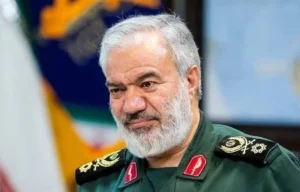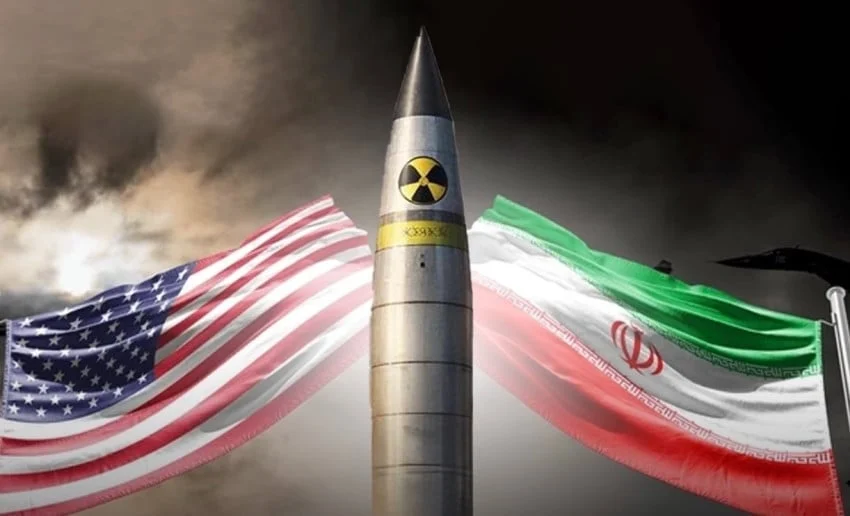
The Islamic Revolutionary Guard Corps (IRGC) has signaled a significant potential shift in Iran’s strategic posture, with senior officials indicating that the nation is prepared to re-evaluate its long-standing nuclear doctrine should regional security conditions necessitate such a transition. Brigadier General Hossein Mohebbi, a spokesperson for the IRGC, confirmed that while no definitive policy change has been enacted, the logistical and strategic preparations required to adjust the country’s nuclear framework are being maintained in a state of readiness. This development occurs against a backdrop of escalating geopolitical friction in the Middle East and follows recent statements from high-ranking Iranian officials regarding the necessity of maintaining a credible deterrent.
The Evolution of Iran’s Nuclear Stance
For decades, Iran’s official policy regarding its nuclear program has been defined by the fatwa issued by Supreme Leader Ayatollah Ali Khamenei, which prohibits the development, production, and use of nuclear weapons, labeling such activities as contrary to Islamic principles. However, the discourse surrounding this doctrine has evolved noticeably over the past eighteen months.
The recent comments by Mohsen Rezaei, a key figure in Iran’s security apparatus and a former commander of the IRGC, reflect an emerging consensus among certain factions of the Iranian political establishment. Rezaei noted last week that while the state remains committed to the peaceful application of nuclear energy, the parameters of national security are subject to periodic review. This shift in rhetoric is widely interpreted by international analysts as a calculated signaling mechanism intended to warn adversaries—specifically Israel and the United States—that Iran’s "strategic patience" is not an infinite resource.
Chronology of Escalating Rhetoric
The progression toward this potential doctrinal shift can be traced through a series of key events:
- 2015: Iran signs the Joint Comprehensive Plan of Action (JCPOA) with global powers, placing strict limits on its nuclear enrichment activities in exchange for sanctions relief.
- 2018: The United States unilaterally withdraws from the JCPOA under the Trump administration, leading to the "maximum pressure" campaign and the gradual erosion of Iranian compliance.
- 2021–2023: Iran significantly accelerates its uranium enrichment programs, moving toward 60% purity—a level technically close to weapons-grade material—citing the need for medical isotopes and energy research.
- April 2024: Following an exchange of direct strikes between Iran and Israel, senior IRGC commanders publicly warn that any Israeli attack on Iranian nuclear facilities would force a reconsideration of the country’s nuclear doctrine.
- October 2024: Brigadier General Hossein Mohebbi reiterates that all necessary infrastructure and technical capabilities are prepared should the leadership decide to pivot from civilian to defensive-nuclear policy.
Iran’s Defense Industry and Export Capabilities
Beyond the nuclear debate, the IRGC has emphasized its growing autonomy in conventional warfare. Brig. Gen. Mohebbi highlighted that Iran has transitioned from a country reliant on foreign imports to a prominent exporter of advanced defense systems. This shift is characterized by the mass production of indigenously designed unmanned aerial vehicles (UAVs) and sophisticated ballistic missile technology.
The claim regarding the neutralization of over 260 American aircraft, including advanced models such as the F-16, F-35, and F-18, represents a bold assertion of Iran’s anti-access/area-denial (A2/AD) capabilities. While international military analysts often view such claims with skepticism—arguing that they may conflate electronic warfare interference, telemetry tracking, and non-combat incidents—the underlying message remains clear: the IRGC is projecting an image of high-tier technological parity. Iran’s defense industry has demonstrated a capacity for reverse-engineering foreign technology and integrating it into its own regional security architecture, making its supply chains a subject of intense scrutiny by Western intelligence agencies.
Geopolitical Implications and Global Reactions
The prospect of an Iranian nuclear doctrine shift has sent ripples through the international community. The International Atomic Energy Agency (IAEA) has repeatedly warned that Iran’s current enrichment levels provide it with a "breakout" capability that could be utilized rapidly if the political decision is made.
The Western Perspective
Washington and its European allies—specifically the "E3" group (France, Germany, and the United Kingdom)—have consistently maintained that a nuclear-armed Iran is an unacceptable outcome for regional and global security. Diplomatic efforts to revive a nuclear agreement have largely stalled, with Western officials viewing the current rhetoric from Tehran as a form of nuclear blackmail intended to secure leverage in ongoing regional proxy conflicts.
Regional Security Dynamics
For neighboring states in the Gulf Cooperation Council (GCC), the prospect of a nuclear-capable Iran creates a heightened security dilemma. Historically, these nations have prioritized de-escalation; however, the fear of a nuclear arms race in the Middle East has prompted increased defense spending and closer security cooperation with both the United States and, increasingly, unconventional partnerships with other regional actors.
Technical Readiness vs. Political Will
Analysts note a critical distinction between Iran’s technical capacity and its political intent. Achieving a nuclear weapon involves three primary hurdles: the enrichment of uranium to 90% purity, the development of a weaponization package (the explosive device), and the creation of a reliable delivery vehicle. While Iran possesses the enrichment infrastructure and advanced missile platforms (such as the Fattah hypersonic missile), the final step of weaponization remains the most sensitive and controversial.
The IRGC’s insistence that "all preparations are in place" suggests that the technical hurdles are no longer the primary bottleneck for the Islamic Republic. Instead, the constraint is purely political. By framing the potential shift as a reactive measure to external threats, the Iranian leadership seeks to maintain the moral high ground domestically while ensuring its rivals understand the high costs associated with continued escalation.
Future Outlook
The coming months are likely to remain a period of high volatility. As international sanctions against Iran’s defense and oil sectors continue to be enforced, and as the conflict in the Levant persists, the pressure on Tehran to secure its borders through unconventional means will intensify.
If the IRGC proceeds with a formal change to its nuclear doctrine, it would likely trigger a cascade of diplomatic repercussions, potentially including the "snapback" of remaining UN sanctions and a significant increase in the regional military footprint of the United States. Conversely, if the rhetoric remains confined to political signaling, it serves as a persistent pressure point that complicates the diplomatic landscape for the next administration in Washington and the security planners in Tel Aviv.
Ultimately, the statement by Brig. Gen. Mohebbi underscores a fundamental reality of current Middle Eastern politics: the line between conventional defense and strategic nuclear posturing is becoming increasingly blurred. Whether this is a genuine shift in policy or a component of a larger psychological operation, the result is an atmosphere of heightened uncertainty that continues to define the relationship between Iran and the global order. The international community will remain focused on the IAEA’s upcoming reports, which serve as the primary barometer for assessing whether the rhetoric from the IRGC is being matched by corresponding developments in Iran’s nuclear facilities. As the situation develops, the reliance on transparent communication and rigorous verification mechanisms will be more critical than ever to prevent a miscalculation that could have lasting impacts on global stability.