The Special Committee (Pansus) for the Right of Inquiry (Hak Angket) of the Gowa Regency Regional House of Representatives (DPRD) in South Sulawesi has officially concluded its investigative duties, submitting its findings and eight points of recommendation to the DPRD leadership for further processing. The culmination of this inquiry has set in motion a critical phase that could potentially lead to a proposal for the impeachment, or dismissal, of Gowa Regent Sitti Husniah Talenrang. The report’s submission marks a significant development in the ongoing political and legal scrutiny of the regional head, focusing on allegations that include suspected corruption within a key public education program.
Kasim Sila, the Chairman of the Gowa DPRD Hak Angket Pansus, confirmed the completion of their mandate on Thursday, July 23, stating, "Following yesterday, our duties and responsibilities in the Pansus have been completed." This announcement initiates the subsequent procedural steps within the DPRD, which will determine the fate of the committee’s findings and the potential ramifications for the Bupati.
The Investigative Process and Subsequent Steps
The Right of Inquiry (Hak Angket) is a powerful oversight mechanism available to legislative bodies in Indonesia, including regional DPRDs, to investigate policies or executive actions suspected of violating laws or regulations. It is typically initiated when there are strong indications of irregularities, mismanagement, or abuse of power by the executive. In this case, the Gowa DPRD Pansus was tasked with scrutinizing various aspects of Bupati Sitti Husniah Talenrang’s administration.
Upon receiving the Pansus report, the DPRD leadership is mandated to distribute the findings to all 45 members of the regional legislative body for their comprehensive review and study. This stage is crucial as it allows every elected representative to thoroughly understand the evidence and recommendations put forth by the Special Committee. Chairman Kasim Sila elaborated on this process, stating, "We handed over the recommendations to the leadership. After that, the leadership will distribute the Pansus report to all 45 DPRD members for study."
The collective decision of the DPRD members will determine whether the investigative findings are deemed sufficient and merit advancement to the "Right to Express Opinion" (Hak Menyatakan Pendapat). This is a pivotal political stage that, if pursued, carries direct implications for the regional head. According to Kasim Sila, should a majority of the members concur, the DPRD leadership would formally receive a proposal to proceed with the Right to Express Opinion. He clarified the gravity of this next step, explaining, "If the members deem our report worthy of continuation to the Right to Express Opinion, then they will propose to the leadership the use of the Right to Express Opinion." He further underscored the potential outcome: "If it involves expressing an opinion, it is not far from impeachment or dismissal."
Kasim Sila indicated that, based on initial responses and discussions following the presentation of the investigative results, a majority of DPRD members appeared inclined to support the continuation of the process. However, he emphasized that the final decision rests with the entire body. "It is almost certain that the members will proceed to the Right to Express Opinion, but I do not wish to preempt their decision," he stated, highlighting the democratic nature of the legislative process.
Eight Key Recommendations: Addressing Allegations of Misconduct
The Pansus’s comprehensive report includes eight distinct recommendations, strategically categorized and directed towards three key entities: law enforcement agencies (Aparat Penegak Hukum or APH), the Gowa Regency Government, and the leadership of the Gowa DPRD itself. This multi-pronged approach indicates a broad scope of concerns identified during the inquiry, ranging from potential criminal offenses to administrative and policy issues.
A significant portion of these recommendations targets law enforcement, specifically addressing allegations of criminal conduct. One prominent example highlighted by Kasim Sila pertains to suspected corruption within the "Free School Program" (Program Sekolah Gratis). He stated, "We recommend to the police that it relates to indications of alleged corruption in the free school procurement program." This particular recommendation underscores the seriousness of the committee’s findings, as allegations of corruption, especially concerning public services like education, can have profound legal consequences and severely erode public trust.
The "Free School Program" is a crucial initiative designed to alleviate the financial burden on families and ensure access to education for all children in Gowa. Any suggestion of corruption within such a program would naturally trigger widespread public concern and demand rigorous investigation. The Pansus’s referral to the police signifies that the committee believes there is sufficient preliminary evidence to warrant a formal criminal investigation by the appropriate authorities, such as the Indonesian National Police or the Corruption Eradication Commission (KPK).
Recommendations directed at the Gowa Regency Government likely pertain to administrative improvements, policy adjustments, or rectifications of procedural shortcomings identified during the inquiry. These might include suggestions for better governance practices, increased transparency, or enhanced accountability mechanisms to prevent future irregularities. Meanwhile, recommendations aimed at the DPRD leadership could involve internal procedural adjustments, further oversight mechanisms, or follow-up actions to ensure the executive branch complies with legislative directives and regulations.
Chronology of the Inquiry and Bupati’s Response
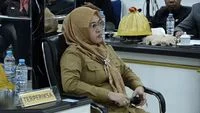
The Hak Angket process in Gowa Regency has been marked by a series of events, including a notable confrontation during a Pansus session. Bupati Sitti Husniah Talenrang had attended a hearing of the Pansus at the Gowa DPRD on Tuesday, July 14, as part of the committee’s efforts to gather information directly from the regional head. However, her appearance did not proceed as expected.
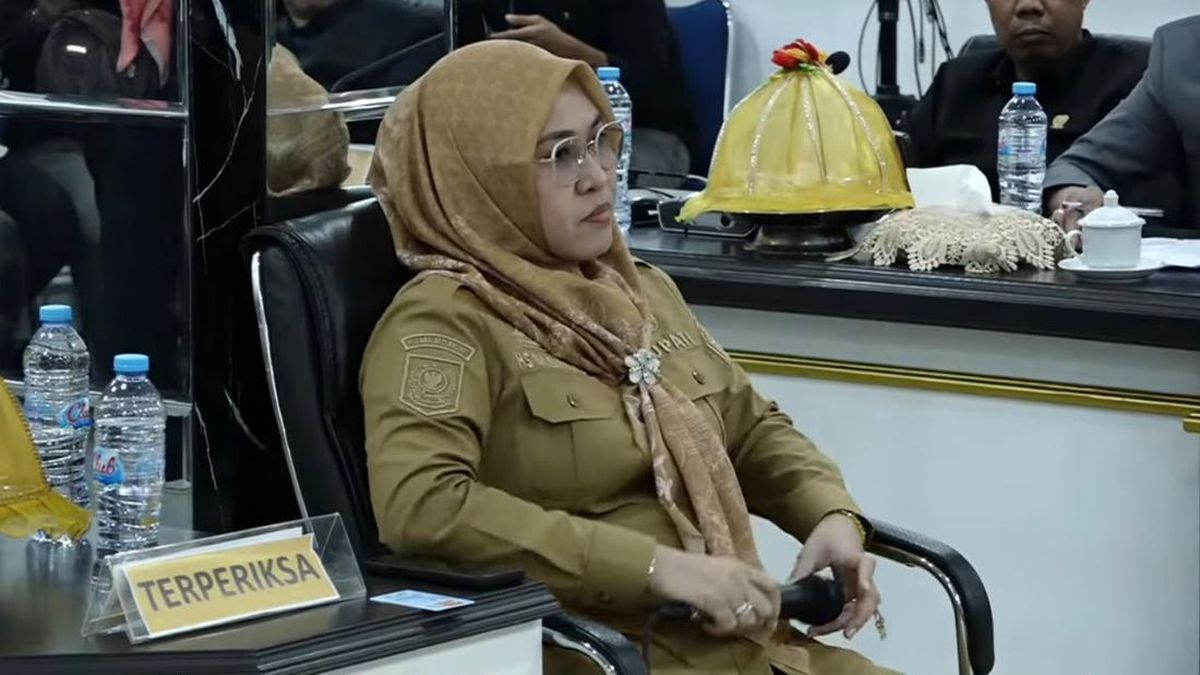
During the session, Bupati Talenrang reportedly refused to answer individual questions posed by the Pansus members. Instead, she requested that all questions be compiled collectively, which she would then answer in a consolidated manner. Following this request, and after it was apparently not met, she opted to leave the session, an action commonly referred to as a "walk-out."
Her legal representatives subsequently provided clarification on the Bupati’s decision. Amirullah Mappaero, one of her lawyers, asserted that his client chose to leave because her rights as a party being questioned were not fulfilled by the Pansus. "From the beginning, the Ibu (Bupati) was ready and had prepared everything related to the questions from the Pansus. But the Ibu requested that her rights be fulfilled, namely that questions be submitted collectively and that the discussion be within the realm of policy. That request was not met," Mappaero explained the week prior.
Another lawyer for the Bupati, Arie Dumais, further argued that the examination process had not been conducted fairly. He cited Article 128 of Law Number 1 Year 2024, which he interpreted as providing scope for individuals being questioned to provide answers either orally or in writing. "The Ibu requested that questions be submitted collectively and then answered in writing. We base that on Article 128, which regulates that answers can be submitted orally or in writing," Arie clarified. He also stressed that Bupati Talenrang had demonstrated good faith by honoring the Pansus’s summons.
In response to the Bupati’s walk-out, Pansus Chairman Kasim Sila had affirmed that the committee would proceed to draw conclusions from the sessions, regardless of the Bupati’s complete participation. "Even without her presence, we can draw conclusions, especially since she did attend. So, even without her presence, we don’t know what the conclusion will be. We will have an internal meeting to conclude the results from all, from the Public Hearing (RDPU) until now," Kasim had stated, emphasizing the committee’s determination to fulfill its mandate.
The Mechanism of Hak Menyatakan Pendapat (Right to Express Opinion)
The Right to Express Opinion (Hak Menyatakan Pendapat) is a crucial and often final political step that a regional legislative body can take against a regional head. In the Indonesian legal framework for local governance, this right allows the DPRD to express an opinion regarding alleged violations committed by the regional head, which could include:
- Failure to implement regional regulations or other statutory provisions.
- Engaging in acts contrary to public morality.
- Abuse of authority.
- Corruption, collusion, and nepotism.
If the DPRD decides to exercise the Hak Menyatakan Pendapat, it typically involves a formal plenary session where the Pansus report is presented, debated, and then put to a vote. For the motion to pass, it generally requires the approval of a significant majority of the DPRD members, often two-thirds of the members present and at least two-thirds of the total members of the DPRD.
Should the Hak Menyatakan Pendapat be approved, the DPRD then forwards its opinion, along with the supporting documentation from the inquiry, to higher authorities. For a Bupati (Regent), this typically means a recommendation to the provincial Governor, who then forwards it to the Minister of Home Affairs. The Minister of Home Affairs, after reviewing the recommendation and potentially conducting further verification, can then issue a decision regarding the dismissal of the regional head. This process is complex and often involves legal challenges from the accused regional head, potentially leading to disputes in administrative courts.
The invocation of the Hak Menyatakan Pendapat is not merely a symbolic gesture; it is a direct precursor to a formal proposal for the removal of the regional head from office. The implications are far-reaching, affecting not only the political career of the individual but also the stability of the local government and the implementation of public services in Gowa Regency.
Broader Implications and Context
The situation in Gowa reflects the broader dynamics of checks and balances within Indonesia’s decentralized governance structure. Since the era of reformasi and the implementation of regional autonomy, regional legislative bodies like the DPRD have been empowered with significant oversight functions over local executives. The Hak Angket and Hak Menyatakan Pendapat mechanisms are vital tools designed to ensure accountability, prevent corruption, and uphold the principles of good governance at the local level.
Allegations of corruption, particularly in public programs like education, resonate deeply with the public. Such accusations not only undermine trust in government institutions but also directly impact the welfare of citizens, especially vulnerable groups who rely on these services. The "Free School Program," if indeed compromised by corrupt practices, would represent a betrayal of public trust and a diversion of funds intended for critical social development.
For Bupati Sitti Husniah Talenrang, the unfolding process presents a significant political and legal challenge. Her legal team’s strategy, emphasizing procedural fairness and the right to provide collective written answers, indicates a robust defense against the Pansus’s findings. The outcome of the DPRD’s vote on the Hak Menyatakan Pendapat will be closely watched, as it will not only determine the Bupati’s immediate future but also set a precedent for legislative oversight in Gowa and potentially other regions in South Sulawesi.
The political landscape in Gowa Regency could undergo significant shifts depending on the DPRD’s decision. A successful motion for the Right to Express Opinion would signal a strong stance by the legislative body against alleged misconduct, potentially leading to a period of political uncertainty while a new leadership is determined. Conversely, if the motion fails, it would likely embolden the current administration but could also lead to questions about the effectiveness of legislative oversight.
Ultimately, the process initiated by the Gowa DPRD’s Hak Angket Pansus is a testament to the ongoing efforts to strengthen accountability and transparency in Indonesian regional governance. The thoroughness of the investigation, the clarity of the recommendations, and the adherence to established legal and political procedures will be critical in ensuring a just and legitimate outcome for the people of Gowa. The eyes of the public and legal observers will now turn to the 45 members of the Gowa DPRD as they deliberate on the path forward, a decision that carries profound implications for the future of the regency.