The FIFA World Cup 2026 reached its historic climax on Monday, July 20, 2026, as Spain and Argentina faced off in a highly anticipated final that transcended the boundaries of sport. While the action on the pitch at MetLife Stadium captured the competitive spirit of the beautiful game, the halftime interval provided a cultural spectacle of unprecedented proportions. Featuring a star-studded lineup including Shakira, Madonna, BTS, and Justin Bieber, the halftime show lasted between 22 and 27 minutes, effectively bridging the gap between sports entertainment and global philanthropy. This performance, viewed by a projected global audience of over 1.5 billion people, has been hailed as a pivotal moment in the history of the tournament, not only for its production value but for the unique financial and social agreements that brought these artists together.
A Multi-Generational Spectacle of Sound and Color
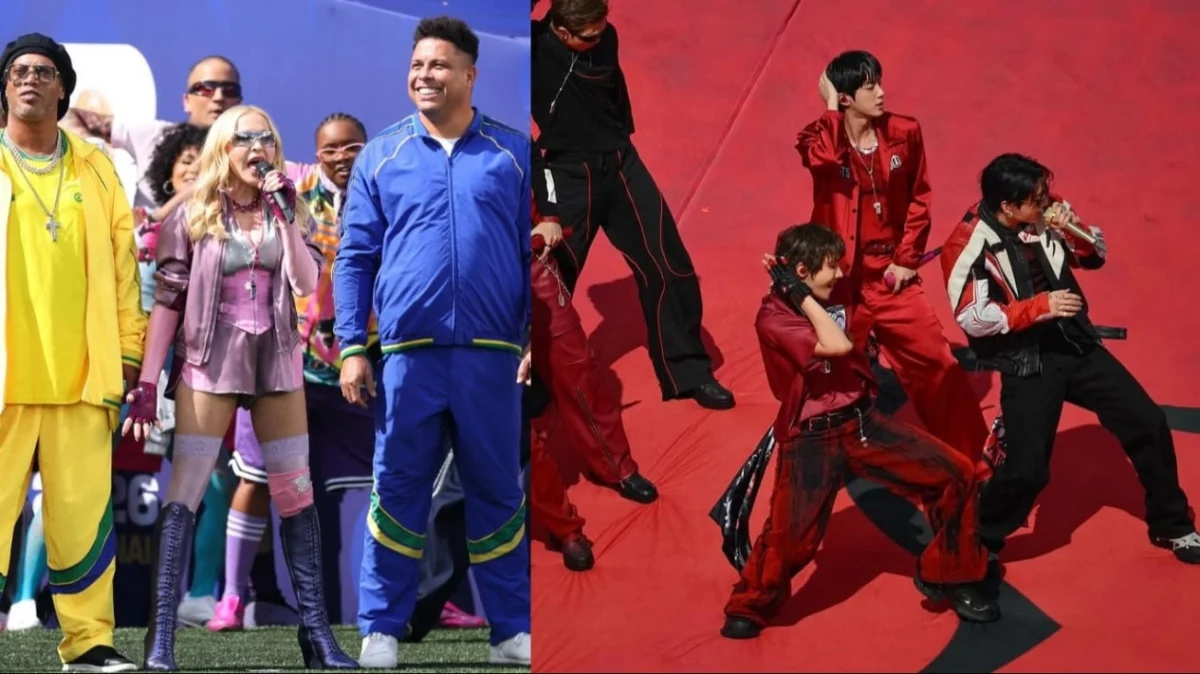
The halftime show was designed as a tribute to the diverse cultures represented in the first-ever 48-team World Cup. The performance opened with the South Korean phenomenon BTS, who delivered a high-energy, vibrant rendition of their hit single "Dynamite." The group’s appearance was characterized by a colorful visual palette and synchronized choreography that utilized the entire expanse of the pitch, symbolizing the youth and energy of the modern era of football.
Following BTS, the "Queen of Pop," Madonna, took the stage to perform "Music." Her segment was noted for its relentless energy and sophisticated staging, proving her enduring relevance in the global music landscape. The transition from the K-pop icons to a legendary pop pioneer highlighted the "cross-generational" theme that FIFA and event organizers sought to achieve for the 2026 finale.
The atmosphere shifted toward the soulful and introspective when Justin Bieber appeared for an acoustic performance of "Everything Hallelujah." Accompanied by minimal instrumentation, Bieber’s set provided a moment of reflection amidst the high-stakes tension of the final. The show concluded with a high-octane collaboration between Colombian superstar Shakira and Nigerian Afrobeat artist Burna Boy. The duo performed "Dai-Dai," a rhythmic anthem that blended Latin and African influences, echoing the global reach of the 2026 tournament which was hosted across the United States, Canada, and Mexico.
The Financial Model: Exposure Over Compensation
In the wake of the performance, significant public interest arose regarding the compensation packages for such high-profile artists. Given that FIFA is projected to generate record-breaking revenues from the 2026 cycle—estimated by some analysts to exceed $11 billion—many assumed the performers received astronomical fees. However, reports from The Athletic and sources within the Global Citizen organization have confirmed that the headlining acts, including Shakira, Madonna, and BTS, did not receive a performance fee for their participation.
This model mirrors the long-standing tradition of the NFL Super Bowl halftime show, where artists perform without a direct salary. The rationale behind this arrangement is twofold. First, the sheer scale of the platform provides an unparalleled level of global exposure. For an artist, performing at a World Cup Final is equivalent to a multi-million dollar marketing campaign, often resulting in a massive surge in streaming numbers, concert ticket sales, and social media engagement.
Secondly, and more significantly for this specific event, the artists chose to waive their fees in support of social justice and humanitarian causes. By partnering with Global Citizen, the performers redirected what would have been their appearance fees toward advocacy and charitable initiatives, marking a shift in how major sporting events leverage celebrity influence for social good.
The FIFA Global Citizen Education Fund
The philanthropic nature of the halftime show was further elucidated by FIFA President Gianni Infantino. In an official statement, Infantino emphasized that the collaboration was part of a broader strategy to utilize the World Cup’s platform to address global inequities. The primary beneficiary of this partnership is the FIFA Global Citizen Education Fund.
"If we speak about what the world needs, nothing is more important than education," Infantino stated. "We are proud that Justin Bieber has joined Madonna, Shakira, and BTS to be the main performers in the Halftime Show at the FIFA World Cup 2026 Final. Their involvement supports the FIFA Global Citizen Education Fund and our mission to expand access to quality education and football opportunities for children across the world."
The fund aims to build schools, provide educational resources, and integrate sports programs into curricula in underserved regions. By aligning the halftime show with these goals, FIFA sought to mitigate criticisms often leveled at large-scale sporting events regarding their commercialism, instead highlighting a legacy of social impact.
Chronology of the 2026 World Cup Finale
The final on July 20, 2026, served as the conclusion to a grueling 39-day tournament. The journey to the final began in June 2026, with 48 nations competing in a revamped format consisting of 12 groups of four.
- Group Stage and Round of 32: The expanded format saw traditional powerhouses and emerging nations navigate an intensive schedule. Spain emerged as a dominant force early on, while Argentina, led by a mix of veteran leadership and young talent, showed resilience through the knockout stages.
- The Semi-Finals: Spain secured their place in the final after a tactical masterclass against a resurgent Brazilian side. Argentina, meanwhile, overcame a physical challenge from the defending champions, France, in a match that many considered the "game of the tournament" until the final itself.
- Final Matchday (July 20, 2026): The gates at MetLife Stadium opened hours before the 8:00 PM local time kickoff. Fans from across the globe descended upon New Jersey, creating a carnival atmosphere.
- The Halftime Interval: At approximately 8:50 PM, the pitch was transformed into a concert stage within minutes. The 22-27 minute window was executed with surgical precision by a crew of over 1,000 production staff.
- Post-Match Reactions: Following the conclusion of the game and the trophy presentation, the conversation quickly pivoted to the halftime show’s impact on social media, with "FIFA Final" and "Global Citizen" trending globally within minutes.
Implications and Broader Impact
The success of the 2026 halftime show is expected to set a new standard for international sporting events. Historically, the World Cup has featured musical performances during the opening ceremony, but the introduction of a high-production, Super Bowl-style halftime show during the final represents a significant evolution in FIFA’s entertainment strategy.
From a commercial perspective, the "no-pay" model proves that the prestige of the World Cup remains a powerful currency. For brands and sponsors, the halftime show provided a "halo effect," associating their names with global icons and humanitarian causes simultaneously. Industry analysts suggest that this event may encourage other major organizations, such as the International Olympic Committee (IOC), to explore similar high-impact entertainment segments that fund charitable foundations.
Furthermore, the choice of artists reflected a calculated effort to appeal to diverse demographics. BTS ensured massive engagement from the Asian market and the younger "Gen Z" demographic, while Madonna and Shakira maintained the interest of established fans in the West and Latin America. Burna Boy’s inclusion underscored the importance of the African market, which FIFA has identified as a key area for the future growth of football.
Conclusion
The FIFA World Cup 2026 Final will be remembered as much for its cultural contributions as for the football played on the pitch. By bringing together some of the most influential names in music for a cause greater than entertainment, FIFA and Global Citizen successfully demonstrated the power of sports to unite the world around shared values. As Spain and Argentina battled for the trophy, the world watched a performance that reminded them of the importance of global education and social justice, ensuring that the legacy of the 2026 tournament extends far beyond the final whistle. The model of pro-bono performance in exchange for philanthropic impact and global exposure is likely to become a blueprint for future global events, signaling a new era where the "halftime" is just as significant as the game itself.