The survival thriller genre has received a formidable new entry with David Ayer’s Heart of the Beast, which has officially debuted to critical acclaim, securing an impressive 89 percent approval rating on Rotten Tomatoes based on 61 professional critic reviews. This milestone marks a career-high rating for director David Ayer, whose previous filmography spans gritty action dramas and visceral war epics, while also ranking among the highest-rated cinematic projects in the illustrious career of Hollywood heavyweight Brad Pitt. Distributed globally to high expectations, the film has quickly transitioned from a standard box office prospect into a cultural talking point, largely due to a gripping narrative, stunning Alaskan cinematography, and an unexpectedly transcendent breakout performance by a canine actor named Odin.
Set against the unforgiving backdrop of the Alaskan wilderness, Heart of the Beast follows the harrowing journey of James Belmont, portrayed by Brad Pitt. Belmont is introduced to audiences as a deeply troubled, retired member of the United States Special Forces attempting to navigate post-military life. The narrative catalyst occurs in the opening act when a routine charter flight encounters catastrophic mechanical failures, plunging Belmont’s aircraft into a remote, sub-zero expanse of the Last Frontier. Surviving the catastrophic impact is only the beginning of Belmont’s ordeal. Stranded miles away from civilization, he faces a grueling 58-mile trek across treacherous mountain terrain, freezing rivers, and unpredictable wildlife habitats to reach safety. His sole companion through this brutal trial of endurance is Odin, a highly trained military working dog assigned to Belmont during his active service years.
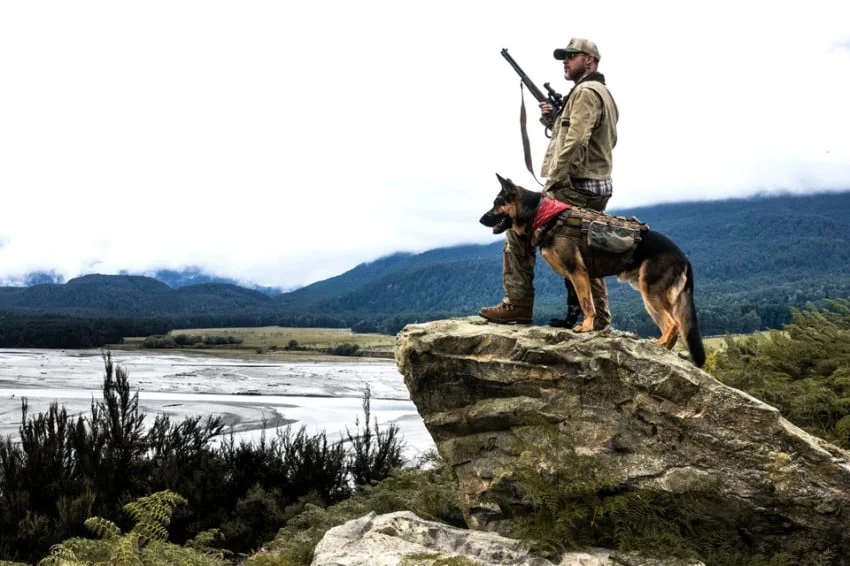
While Brad Pitt delivers a characteristically intense and physical performance as the beleaguered veteran, the critical consensus points toward an unexpected phenomenon: a canine actor stealing the spotlight from one of cinema’s most bankable leading men. Katie Walsh, a prominent film critic for the Los Angeles Times, noted in her review that there is virtually no doubt that the true star of Heart of the Beast is Odin. Walsh elaborates that the presence, emotional depth, and raw physicality displayed by the German Shepherds portraying Odin manage to match and, at critical emotional junctures, surpass the star power of Pitt. This dynamic has added a layer of profound emotional resonance to the film, transforming what could have been a conventional man-versus-nature survival story into an intimate exploration of loyalty, post-traumatic recovery, and the unbreakable bond between a soldier and his animal companion.
Behind-the-scenes revelations from director David Ayer offer fascinating insight into how the complex role of Odin was brought to the silver screen. Contrary to the illusion of a single, continuous animal performance, the character of Odin was actually a collaborative effort executed by four distinct German Shepherds. The production team utilized a canine ensemble tailored to specific physical and behavioral demands. An animal actor named Uber served as the primary face of Odin, handling the core dramatic and dialogue-free interacting scenes alongside Pitt. Meanwhile, three specialized stand-ins and stunt dogs—named Seeka, Ryker, and Hondo—were deployed for demanding physical sequences. These included high-altitude mountain traversals, intense open-water swimming scenes in glacial currents, and high-speed endurance running shots across uneven terrain. The rigorous training and seamless editing of these four dogs have been widely praised by industry professionals, sparking early discussions regarding the need for specialized animal performance recognition in major cinematic awards.
The Production Timeline and Development History
The journey of Heart of the Beast to the big screen represents a meticulous multi-year development and production cycle overseen by prominent Hollywood studios and independent financiers. Initially conceptualized several years prior to its principal photography, the project gained significant momentum when Brad Pitt formally attached himself to the lead role in late 2021, drawn by the raw physical demands of the script and the complex psychological underpinnings of the retired Special Forces protagonist.
Pre-production officially ramped up in mid-2022, with director David Ayer brought on board to steer the cinematic vision. Ayer, known for his gritty visual style and expertise in directing high-stakes military narratives, insisted on practical location shooting rather than relying extensively on green screen technology and computer-generated imagery. This decision necessitated a scouting mission across remote regions of North America, ultimately leading the production crew to select untouched wilderness areas in Alaska and specialized soundstages equipped with advanced environmental simulation capabilities.
Principal photography commenced in the spring of 2023, presenting unique logistical and technical challenges for both the human cast and the animal handlers. Filming in remote Alaskan terrain required continuous veterinary supervision, specialized climate-controlled housing for the canine actors, and strict adherence to American Humane Association guidelines to ensure the safety and comfort of all animal participants. The shoot extended over a grueling four-month period, characterized by unpredictable weather patterns, freezing temperatures, and complex stunt coordination. Post-production occupied the entirety of late 2023 and early 2024, focusing on sound design to capture the immersive desolation of the wilderness, alongside visual effects integration and the composition of a minimalist, suspense-driven musical score. The film’s festival circuit run and subsequent theatrical rollout were finalized in the third quarter of 2024, culminating in the critical validation reflected in its current Rotten Tomatoes standing.
Critical Reception and Audience Metrics
The achievement of an 89 percent Tomatometer score places Heart of the Beast in elite company within the survival thriller genre. Reviewers from major entertainment publications have praised the film for subverting genre tropes, avoiding excessive exposition, and anchoring its tension in the psychological degradation of isolation rather than cheap jump scares.
Film critics have specifically highlighted the authenticity of Brad Pitt’s physical transformation. Portraying a man whose body is failing under the weight of hypothermia, starvation, and past combat injuries, Pitt relies heavily on non-verbal communication, breathing techniques, and physical posture to convey desperation. However, the recurring motif in nearly all major reviews remains the performance of the canine ensemble. Trade publications such as Variety and The Hollywood Reporter have dedicated significant editorial space to analyzing how the presence of Odin functions as a narrative anchor for Belmont, preventing the protagonist from succumbing to despair and psychological fracture.
Audience metrics have mirrored the critical enthusiasm. Exit polls conducted by theatrical exhibition chains indicate a strong word-of-mouth factor, with demographic data showing broad appeal across various age groups. While action-thriller enthusiasts were initially drawn to the project by Pitt’s involvement and Ayer’s directorial pedigree, family audiences and animal advocacy supporters have rallied around the central narrative of interspecies survival and loyalty.
Broader Industry Implications and Future Outlook
The commercial and critical success of Heart of the Beast carries several notable implications for contemporary Hollywood production models and narrative trends. Firstly, the film demonstrates that audiences continue to exhibit a strong appetite for grounded, practical-effect-driven survival dramas in an era dominated by large-scale science fiction franchises and superhero universes. By returning to the foundational elements of man, nature, and raw survival, Ayer has proven that mid-budget studio projects with strong high-concept premises can still achieve critical dominance.
Furthermore, the standout performance of the canine actors highlights the evolving sophistication of animal casting and training in modern filmmaking. The careful utilization of multiple dogs trained for specific stunt disciplines—Uber, Seeka, Ryker, and Hondo—sets a new operational benchmark for animal welfare and cinematic effectiveness in action cinema. This approach is likely to influence future action and adventure productions, encouraging studios to invest more heavily in specialized animal handling and ethical production oversight.
For Brad Pitt, the positive reception of Heart of the Beast reinforces his enduring box-office viability and his willingness to tackle physically punishing, dialogue-sparse roles that prioritize internal performance over traditional star turns. For director David Ayer, the 89 percent Rotten Tomatoes score represents a career-defining validation, easing past criticisms regarding pacing and narrative depth in some of his earlier action films and establishing him as a versatile filmmaker capable of balancing intimate character studies with large-scale physical spectacle. As Heart of the Beast continues its theatrical run and prepares for home entertainment distribution, its legacy is already secured as a masterclass in survival storytelling and an unforgettable showcase of canine capability on the silver screen.