
The automotive industry is bracing for a significant shift in the entry-level electric vehicle (EV) segment following the official release of design sketches for the second-generation BYD Seagull. Known in various international markets by names such as the "Great Seagull" (Da Haiou) or the Atto 1 in Indonesia, this popular hatchback is poised to undergo a comprehensive transformation. According to official disclosures from Zhang Zhuo, the general manager of the Ocean series sales division at BYD, the upcoming iteration will not merely be a facelift but a ground-up redesign that promises increased dimensions, enhanced aesthetics, and improved interior utility.
This development marks a pivotal moment for BYD, the world’s leading manufacturer of new energy vehicles (NEVs), as it seeks to solidify its dominance in the global small-car market. By expanding the footprint of its most affordable model, BYD is effectively blurring the lines between the A-segment city car category and the more versatile B-segment hatchback market, potentially challenging established internal combustion engine (ICE) competitors on a broader scale.
A Departure from the Original Design Language
The released sketches reveal an aesthetic departure from the first-generation Seagull, which was characterized by its functional, somewhat rounded profile. The second-generation model adopts a more aggressive, angular, and sporty visual language. The most striking feature identified in the design documents is the inclusion of trident-shaped headlights, which replace the more conservative lighting clusters of the current model. This design choice aligns with BYD’s "Ocean Aesthetics" philosophy, which seeks to evoke fluid motion through sharp body lines and dynamic surfaces.
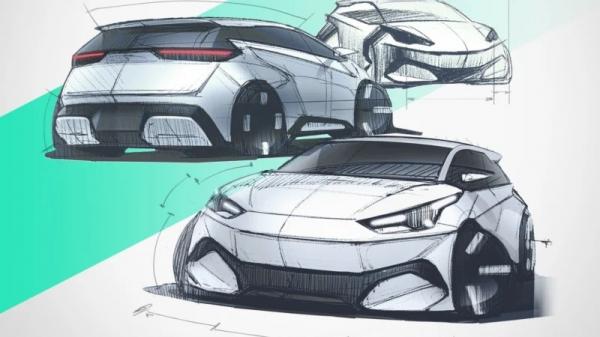
Furthermore, the sketches indicate a significant change in the vehicle’s silhouette. The beltline—the line where the side windows meet the door panels—has been lowered, a design choice that serves two purposes: improving outward visibility for occupants and creating a more muscular, planted stance. The inclusion of wide wheel arches suggests a wider track, which is typically associated with better vehicle stability and improved handling characteristics. When paired with the 16-inch alloy wheels featuring an intricate eight-spoke design, the new Seagull projects an image of sophistication that is rare in the budget-friendly EV segment.
The Strategic Shift Toward Larger Dimensions
While specific technical specifications regarding length, width, and wheelbase remain under wraps, industry analysts suggest that the "Great Seagull" nomenclature is indicative of a deliberate move to push the vehicle into a larger class. The original Seagull, measuring roughly 3,780 mm in length, has been a runaway success in China due to its compact nature and low price point. However, consumer feedback globally has consistently pointed toward a desire for more interior legroom and luggage capacity.
By increasing the dimensions of the second-generation model, BYD is addressing the primary criticism of its smallest car. This shift also reflects a broader industry trend where EVs are being engineered to maximize cabin space through dedicated modular platforms. Unlike ICE vehicles, which must accommodate a transmission tunnel and engine bay, the new Seagull is expected to utilize a flat-floor architecture that will allow for a "living room" interior concept. This maximizes the usable space for passengers, potentially making it a viable primary vehicle for small families, rather than just a secondary commuter car.
Chronology and Development Timeline
The trajectory of the BYD Seagull has been rapid. Since its initial launch in 2023, the vehicle quickly rose to the top of the sales charts in China, often outperforming much more expensive electric competitors.

- Q1 2023: BYD officially launches the first-generation Seagull in China, introducing the E-platform 3.0 technology to the budget market.
- Late 2023 – Early 2024: The model begins its international expansion, entering markets in South America and Southeast Asia, including Indonesia, where it is branded as the Atto 1.
- Mid-2025: Speculation begins regarding the next iteration of the model as BYD monitors changing consumer preferences and the need for a more upscale entry-level offering.
- September 2026: Zhang Zhuo confirms the development of the "Great Seagull" and releases official sketches, setting the stage for a public reveal in the coming months.
The timing of this announcement is significant. As the global market for EVs enters a phase of maturity, manufacturers are shifting focus from simply delivering "any" electric vehicle to delivering vehicles that offer emotional appeal and superior build quality. BYD’s move to refine the Seagull’s design is a preemptive strike against emerging low-cost competitors from other Chinese manufacturers and legacy brands currently developing their own budget-tier EVs.
Fact-Based Analysis: Market Implications
The decision to upscale the Seagull has significant implications for both BYD and the global automotive landscape. First, it demonstrates BYD’s confidence in its supply chain. By incorporating more premium design elements, the company is likely betting that it can maintain its aggressive pricing strategy through economies of scale. The first-generation Seagull benefited from BYD’s vertical integration, particularly in the production of its proprietary Blade Battery and electric powertrains. The second generation is expected to continue this trend, likely incorporating the latest iteration of the Blade Battery, which offers higher energy density and improved safety profiles.
Second, the expansion of the Seagull’s physical size puts pressure on other automakers. Traditional hatchbacks like the Honda Fit/Jazz or the Toyota Yaris have seen declining sales in many regions. An electrified, tech-forward, and spacious vehicle like the next-gen Seagull, if priced competitively, could accelerate the phase-out of entry-level gasoline vehicles. In markets like Indonesia, where the transition to electric mobility is supported by government incentives, the updated Seagull could become a dominant force in the mass-market segment.
Technological Expectations and Performance
While the design is the focus of the current reveal, observers are looking for clues regarding the powertrain. The original Seagull offered a range of approximately 300 km to 400 km (CLTC cycle). With a larger body and increased potential for a larger battery pack, industry experts anticipate that the second-generation model may offer an extended range, possibly reaching or exceeding 450 km.

The integration of advanced driver-assistance systems (ADAS) is also expected to be a major selling point. As entry-level cars move up-market, the inclusion of features such as autonomous emergency braking, adaptive cruise control, and 360-degree camera systems—previously reserved for premium models—is becoming standard. BYD’s investment in software development, particularly its "DiLink" intelligent cockpit system, suggests that the new Seagull will feature an infotainment experience far superior to its predecessor, with seamless smartphone integration and over-the-air (OTA) update capabilities.
Official Stance and Future Outlook
While BYD has remained relatively guarded about the specific launch date for the second-generation Seagull, the release of these sketches is a clear signal that the vehicle is in the final stages of the design approval process. Statements from BYD’s leadership suggest that the company intends to maintain its aggressive growth strategy, aiming to provide a high-quality, sustainable transportation solution that does not sacrifice style for affordability.
The reaction from the market has been largely positive. Investors and industry analysts have praised BYD’s ability to pivot quickly and respond to consumer trends. By elevating the brand identity of the Seagull, BYD is not just selling a budget car; it is cultivating brand loyalty among a new generation of drivers who view their vehicle as a tech-focused personal space.
As the industry looks toward the eventual unveiling of the full production model, the focus will remain on whether BYD can maintain its price-to-value ratio. If the company can successfully deliver the "Great Seagull" at a price point that remains accessible while offering the improved design and interior space promised in the sketches, it will likely secure its position as the global leader in the EV revolution for years to come. The transition from a utilitarian city car to a more aspirational hatchback marks the next chapter for the Seagull, one that reflects the broader evolution of electric mobility in the 21st century.