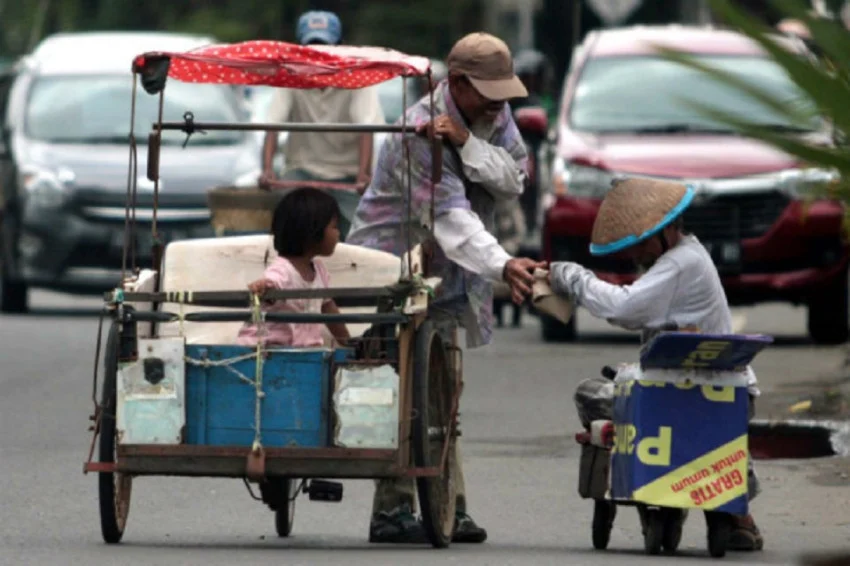
In an era defined by hyper-connectivity yet deepening personal isolation, the true measure of a Muslim’s devotion is increasingly scrutinized not just through private rituals, but through tangible acts of empathy toward fellow human beings. Contemporary society is inundated with a relentless stream of digital information, often numbing individuals to the harsh realities unfolding just beyond their doorsteps. From persistent economic hardships and systemic poverty to unforeseen natural calamities and localized humanitarian crises, the landscape of human suffering is vast. Yet, translating digital awareness into active social responsibility remains a profound challenge. Amidst this backdrop of modern individualism, Islamic teachings place a rigorous demand on believers to cultivate deep social sensitivity, bridging the gap between personal spiritual obligation and collective human welfare.
The duality of Islamic devotion rests upon a foundational framework that refuses to separate spiritual rituals from communal obligations. While traditional worship—such as establishing daily prayers, fasting during Ramadan, and reciting the Quran—remains the bedrock of personal faith, Islam posits that these vertical acts of devotion (habl min Allah) are fundamentally incomplete without their horizontal counterpart: human relationships and societal stewardship (habl min al-nas). Consequently, true religious piety, or kesalehan sosial, cannot be encapsulated solely by the frequency of one’s private prayers. Instead, it is decisively measured by how a believer responds to the cries of the vulnerable, the impoverished, and the marginalized.
Historical Context and Theological Foundations
The integration of social welfare into the core tenets of Islamic theology is neither a modern adaptation nor a secondary recommendation; it is woven into the primary texts of the Quran and the Hadith. Historically, the advent of Islam in 7th-century Arabia radically transformed a tribal society characterized by stark economic inequalities, the marginalization of orphans, and the exploitation of the weak. By institutionalizing charity through mandatory obligations like Zakat and voluntary initiatives like Sadaqah, Islamic jurisprudence established a structural safety net designed to eradicate destitution.
The Quran explicitly links the authenticity of religious practice with tangible care for society. This is powerfully articulated in Surah Al-Ma’un (QS 107:1–3), which serves as a timeless theological wake-up call: "Have you seen the one who denies the Judgment? For that is the one who drives away the orphan and does not encourage the feeding of the poor."
This passage underscores a vital jurisprudential and moral philosophy: theoretical belief detached from practical compassion is deemed hypocritical. Religious observance that fails to translate into socio-economic justice loses its moral core. In classical Islamic scholarship, exegetes have long interpreted these verses as a condemnation of ritualistic piety devoid of empathy, establishing that the denial of human rights and social neglect are functionally equivalent to denying the faith itself.
The Prophet’s Blueprint: Empathy as a Measure of Faith
The mandate for social sensitivity is further amplified in the traditions and sayings of Prophet Muhammad (SAW). In an authentic narration agreed upon by Imams Bukhari and Muslim, the Prophet declared: "None of you truly believes until he loves for his brother what he loves for himself."
This foundational maxim moves far beyond mere tolerance; it establishes active empathy and mutual solidarity as prerequisites for authentic faith. It dismantles the ethos of individualism, demanding that a believer view the suffering of another as a personal concern. Throughout Islamic history, this prophetic directive manifested in the establishment of extensive endowment systems (Waqf), community kitchens, and public hospitals funded by private philanthropy, illustrating that societal welfare was viewed as a collective religious duty rather than a bureaucratic afterthought.
Contemporary Challenges to Social Sensitivity
Translating these historical and theological imperatives into the modern socioeconomic landscape presents complex structural hurdles. Contemporary sociologists and theologians point out that the rapid pace of urbanization and the rise of digital-centric lifestyles have fostered a culture of emotional detachment. As populations concentrate in densely populated metropolitan areas, the anonymity of city life often erodes traditional community support structures.
Furthermore, the proliferation of digital media—while ostensibly keeping populations informed about global crises—frequently leads to "compassion fatigue." When individuals are constantly bombarded with harrowing images of war, famine, and displacement through news feeds and social media algorithms, psychological defense mechanisms often trigger apathy or desensitization.
Economic volatility, exacerbated by post-pandemic financial pressures and inflation, has also strained the philanthropic capacities of the middle class. As the cost of living rises, individuals frequently turn inward, prioritizing the financial survival of their immediate households over broader community engagement. Paradoxically, it is precisely during these periods of economic strain that the need for robust social safety nets and grassroots solidarity becomes most acute.
Integrating Mindfulness and Social Awareness
In response to these modern psychological and social barriers, contemporary Islamic thinkers have increasingly emphasized the intersection of spiritual mindfulness (muraqabah) and social activism. Modern psychological frameworks regarding mindfulness—focused on heightened awareness of the present moment and emotional regulation—find a natural parallel in Islamic meditative practices.
When a believer engages in mindful reflection on their blessings, it frequently stimulates a heightened awareness of societal disparities. This introspective clarity encourages individuals to look beyond their immediate digital bubbles and recognize the tangible needs of their neighbors. By fostering intentional empathy, practitioners are better equipped to overcome compassion fatigue, transforming passive digital sympathy into structured, proactive community service.
Socio-Economic Implications and Policy Analysis
From a broader developmental perspective, the active cultivation of kesalehan sosial yields profound macroeconomic and social benefits. In nations with predominantly Muslim populations, institutionalized religious philanthropy—ranging from state-managed Zakat collection to grassroots community foundations—represents a multi-billion-dollar economic sector. When channeled effectively, these resources serve as a critical buffer against poverty, funding education, healthcare infrastructure, and emergency disaster relief.
Analysts note that societies with high levels of social capital and religious-based altruism tend to demonstrate greater resilience during crises. However, experts emphasize that individual charity must be complemented by systemic transparency and institutional efficiency to maximize its impact. The evolution of modern Islamic philanthropy has seen a shift toward professionalized humanitarian organizations, ensuring that aid reaches marginalized populations with greater accountability and strategic foresight.
Conclusion: The Indivisible Bond of Faith and Humanity
Ultimately, the Islamic paradigm of devotion offers a holistic antidote to the fragmentation of modern life. By insisting that vertical worship is inextricably bound to horizontal human relations, the faith challenges believers to view social sensitivity not as an optional moral luxury, but as an indispensable pillar of religious identity.
As communities navigate the complexities of the 21st century, the timeless message of Islamic social responsibility remains clear: true piety is measured not merely by the hours spent in quiet supplication, but by the tangible steps taken to alleviate the burdens of fellow human beings. Through a deliberate revival of empathy, structural charity, and active community engagement, the modern Muslim community continues to draw from a rich heritage that proves faith without works of compassion remains incomplete.