Maritime travel has historically served as a critical nexus for human migration, global trade, and cultural exchange. From the ancient wooden vessels navigating the unpredictable expanse of the Mediterranean and Indian Oceans to modern mega-cruise ships and container freighters crossing vast oceanic trenches, sea travel demands a unique blend of stringent engineering, rigorous safety protocols, and psychological fortitude. Beyond the technical dimensions of maritime navigation, various cultures and faith traditions have long incorporated spiritual rituals to cope with the inherent uncertainties of the open sea. Within Islam, the act of embarking on a journey across water is deeply intertwined with spiritual preparedness, blending physical ikhtiar—diligent effort and adherence to safety standards—with profound tawakal, or reliance and trust in the divine will of Allah SWT.
The integration of faith into maritime journeys is not merely a supplementary practice but a core component of Islamic travel ethics. While ensuring the structural integrity of the vessel, checking weather forecasts, and complying with international maritime safety regulations are mandatory practical steps, Islamic tradition strongly encourages travelers to accompany these preparations with specific supplications. This duality of human effort and spiritual surrender is vividly illustrated in foundational religious texts, most notably through the historical narratives of the prophets preserved in the Qur’an and the traditions of Prophet Muhammad.
Historical Context and the Narrative of Prophet Noah
To understand the spiritual foundation of maritime supplications in Islam, scholars and historians frequently point to the narrative of Prophet Noah, or Nuh AS, whose experience with maritime construction and navigation is among the most detailed in scriptural history. According to sacred texts, when a catastrophic deluge swept across the earth as a consequence of societal disobedience, Prophet Noah was divinely commanded to construct a massive ark. This vessel was designed to save not only the righteous believers from his community but also pairs of every land animal and bird species, thereby preserving life on Earth.
The construction of the ark itself stands as a monumental testament to human effort guided by divine instruction. It required meticulous planning, resource gathering, and labor over an extended period amidst skepticism from surrounding populations. However, the ultimate test of faith occurred once the rains began to fall, the earth cracked open, and the waters rose to submerge the highest mountains.
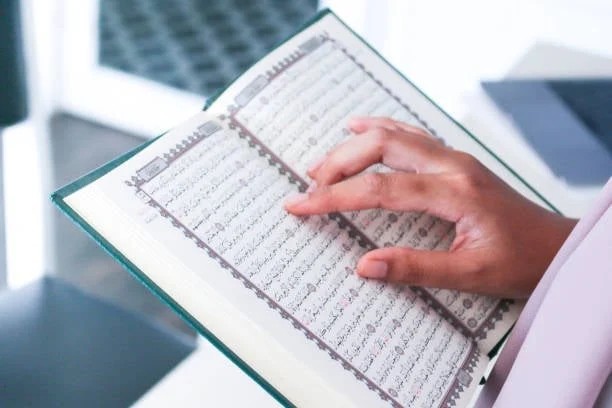
As the ark lifted off the earth and began its historic voyage across the uncharted, tumultuous waters, Prophet Noah instituted a practice that would permanently alter how believers approach water travel. Recognizing that human engineering alone could not guarantee survival against the immense fury of a global flood, he instructed his followers to anchor their safety in the remembrance of the Creator. This pivotal moment is permanently recorded in Surah Hud, verse 41, where the Qur’an captures the precise instruction given by Noah to those boarding the vessel.
The textual preservation of this event serves as a timeless paradigm. It reinforces the theological principle that while human beings are obligated to construct seaworthy vessels, plot navigational courses, and implement emergency protocols, the ultimate arbiter of safety is the divine. The transition from dry land to the unpredictable sea represents a profound psychological and spiritual shift, stripping away the illusion of absolute human control and re-establishing humanity’s dependent relationship with the Creator.
The Scriptural Foundation and Prophetic Traditions
The verse from Surah Hud serves as the primary textual anchor for maritime supplications in Islamic jurisprudence and daily practice. The Quranic verse translates to: "And he [Noah] said, ‘Embark therein: in the name of Allah is its course and its anchorage. Indeed, my Lord is Forgiving and Merciful.’" (QS Hud: 41).
In exegetical analyses, Islamic scholars emphasize the dual mention of divine agency in this verse—both during the initiation of movement (its course) and at the conclusion of the journey (its anchorage). This signifies that a traveler’s reliance on God must be continuous, spanning from the moment the vessel departs the dock until it safely berths at its destination.
In addition to the Quranic verses stemming from the narrative of Prophet Noah, subsequent prophetic traditions provide explicit formulas for daily practice. A notable narration recorded by the prominent traditionist Al-Thabrani features a statement attributed to Ali ibn Abi Talib, who reported the specific guidance given by Prophet Muhammad regarding water travel. According to this tradition, the Prophet indicated that members of his community would be safeguarded from drowning or catastrophic maritime disasters if they recited a specific invocation upon boarding a vessel: "Bismillaahil Malikir Rahmaanirrahim, Bismillahi majreha wa mursaha innahu laghafururrahim," which translates to, "In the name of Allah, the King, the Most Gracious, the Most Merciful. In the name of Allah be its course and its anchorage. Indeed, my Lord is Forgiving and Merciful."
This Prophetic tradition bridges the gap between historical precedent and daily ritual, offering believers a concise yet comprehensive formula to articulate their faith before setting sail. The repetition of these phrases functions not only as a plea for physical protection but also as a meditative anchor, reducing the anxiety often associated with the vastness and depth of the sea.
The Modern Convergence of Practical Safety and Spiritual Preparedness
In contemporary maritime logistics, safety standards have evolved exponentially compared to ancient times. Modern vessels are equipped with advanced radar systems, satellite communication networks, weather-tracking technology, life rafts, automatic identification systems (AIS), and stringent International Maritime Organization (IMO) regulations. Commercial ships and passenger liners undergo rigorous inspections to ensure hull integrity, fire suppression capabilities, and evacuation readiness.
Despite these advanced technological safeguards, maritime accidents—ranging from localized engine fires and severe storms to catastrophic sinkings—continue to occur globally, driven by extreme weather events, human error, or mechanical failures. Statistical data from organizations such as the European Maritime Safety Agency (EMSA) and the global shipping industry indicate that while modern shipping has become statistically safer over the decades, the ocean remains an inherently high-risk environment.
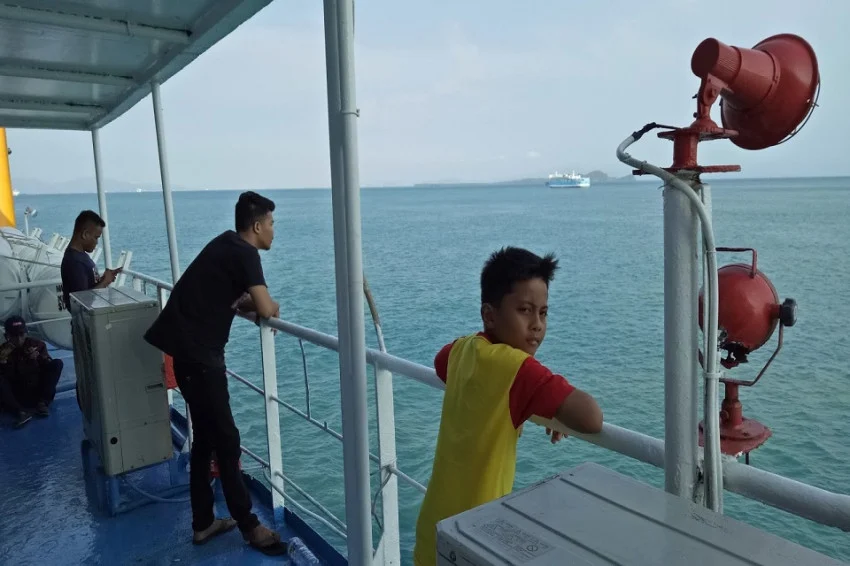
For the modern Muslim traveler, whether a passenger on a commercial ferry crossing the Sunda Strait, a tourist on a Mediterranean cruise, or a seafarer working on an international cargo ship, the integration of physical preparation and spiritual grounding remains highly relevant. Contemporary religious discourse consistently emphasizes that Islamic teachings do not advocate for fatalism or the neglect of material precautions. On the contrary, Islamic jurisprudence places heavy emphasis on due diligence. Relying solely on prayer without inspecting a vessel’s safety equipment or ignoring storm warnings is viewed as a contradiction of prophetic methods.
Scholars underline that tawakal—trust in God—must be preceded by ikhtiar—maximum effort. In the context of modern travel, ikhtiar translates to purchasing tickets from reputable operators, listening to safety briefings, wearing life jackets when required, and adhering strictly to captain and crew instructions during emergencies. Once these physical measures are comprehensively fulfilled, the recitation of maritime supplications provides the psychological and spiritual closure necessary to face the journey with peace of mind.
Broader Implications for Travelers and Society
The practice of reciting maritime prayers extends its impact beyond individual psychological comfort, offering broader implications for how societies conceptualize risk, travel, and human vulnerability. In an era dominated by technological optimism—where humanity often believes it has mastered nature through engineering, GPS, and automation—sudden maritime disasters serve as stark reminders of nature’s raw power and human limitations.
By consciously engaging in spiritual practices before embarking on a journey across the water, travelers cultivate humility. This mindfulness can foster a deeper respect for the marine environment, encouraging travelers and maritime operators alike to prioritize safety, ecological preservation, and mutual assistance. Furthermore, communal prayer traditions often found in group travel foster a shared sense of solidarity among passengers, transcending socioeconomic backgrounds as individuals face the shared expanse of the sea together.
Ultimately, the traditions surrounding maritime travel in Islam encapsulate a timeless philosophy of existence: a balanced synthesis of proactive human responsibility and humble spiritual surrender. Whether crossing a local river on a small wooden boat or navigating an ocean liner across international waters, the traveler who combines rigorous adherence to safety standards with the ancient supplications of Noah and Muhammad engages in a holistic approach to travel—one that honors both the laws of engineering and the sovereignty of the divine.