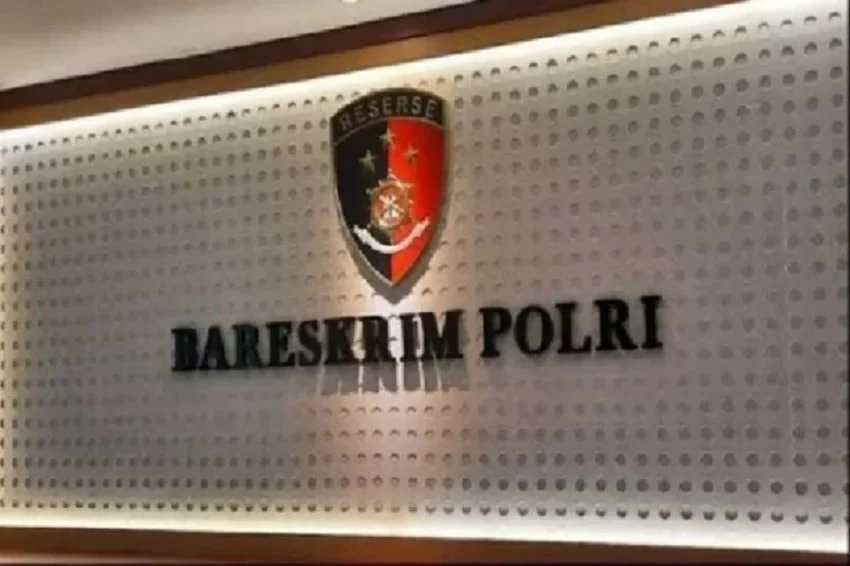
The Criminal Investigation Agency of the Indonesian National Police, commonly known as Bareskrim Polri, has successfully uncovered a major illegal import operation involving used clothing, locally known as balpres, in Subang Regency, West Java. The high-profile raid targeted a sprawling storage facility situated within the Intijaya Subang Industrial Complex, specifically at Block A-29 in the Purwadadi District. During the targeted operation, law enforcement authorities secured a staggering total of 1,257 bales of pre-owned apparel originating from overseas markets, smuggled into the country in direct violation of national trade laws. Investigators have estimated the total market value of the confiscated contraband to be approximately IDR 15 billion.
This decisive enforcement action underscores the ongoing and intensified crackdown by Indonesian law enforcement agencies against illicit trafficking and underground import networks that bypass standard customs regulations, tax obligations, and strict domestic trade policies. The importation of used clothing has long been prohibited under Indonesian trade regulations due to multi-faceted concerns encompassing public health, environmental safety, and the protection of the domestic textile manufacturing sector.
The Chronology and Investigation Process
The comprehensive operation leading to the seizure in Subang did not happen overnight; rather, it was the culmination of meticulous intelligence gathering, surveillance, and inter-agency coordination. According to the Director of Special Economic Crimes (Dirtipideksus) at Bareskrim Polri, Senior Commissioner General Suhasto, the investigation was officially initiated following a formal assignment based on an official directive issued by the Head of Bareskrim Polri on October 21, 2026.
Prior to the issuance of the directive, the Dittipideksus team had received critical tips and detailed reports from local communities regarding suspicious logistical activities in the Purwadadi area. Informants noted frequent heavy vehicle traffic delivering large, tightly wrapped bales into the Intijaya warehouse complex during unconventional hours, prompting suspicions of illicit warehousing operations. Acting on these leads, a specialized team of investigators was deployed to conduct undercover surveillance, map out the logistics chain, and verify the legal status of the goods housed within the facility.
By late October 2026, armed with sufficient preliminary evidence, the investigative team secured the necessary warrants and executed a sudden raid on the target warehouse. Upon breaching the facility, law enforcement officers were met with towering stacks of imported used apparel packed into thousands of compressed bales. Representatives of the warehouse management were unable to present legitimate customs clearance documentation, import permits, or legal manifests proving that the goods had entered the country through authorized legal channels, thereby confirming the illicit nature of the enterprise.
Background Context on the Illicit Thrift Trade in Indonesia
The thriving black market for imported used clothing, colloquially referred to as "thrifting" or "ball-pressed" clothing, has presented a persistent regulatory challenge for Indonesian authorities for decades. While second-hand clothing markets have historically provided low-income consumers with affordable fashion options, the large-scale commercial importation of these goods operates entirely outside the formal economy.
Under current Indonesian regulations, specifically the Ministry of Trade Regulation No. 18 of 2021—which serves as an amendment to previous trade decrees—the importation of used clothing, footwear, and related textile products is strictly prohibited. The regulatory ban is anchored in several statutory foundations, including the Trade Law No. 7 of 2014 and consumer protection statutes. Lawmakers and regulators designed these prohibitions to safeguard the public from potential health hazards, as uncertified second-hand garments imported from abroad often carry fungal spores, bacteria, and allergens that cannot be effectively sanitized through conventional home washing.
Furthermore, the unregulated influx of cheap foreign apparel undercuts local micro, small, and medium enterprises (MSMEs), particularly domestic garment makers, tailors, and legal local thrift vendors who source their inventory from legitimate domestic channels. The scale of the Subang bust—featuring over 1,200 bales valued at billions of rupiah—highlights how underground trading networks continue to operate on an industrial scale despite repeated crackdowns by customs and police authorities.
Official Responses and Law Enforcement Commitment

Following the successful execution of the raid, senior leadership within Bareskrim Polri emphasized that the operation was not merely a localized seizure but a strategic move to defend the nation’s financial and commercial integrity. Senior Commissioner General Suhasto articulated the police force’s unwavering stance during a press briefing regarding the case.
"This enforcement action is a tangible manifestation of Bareskrim Polri’s firm commitment to safeguarding the economic sovereignty of the nation," Suhasto stated. He further credited the success of the operation to active public participation, noting that the investigation originated from grassroots information that was subsequently processed with professional rigor by the Dittipideksus investigators.
Law enforcement officials have confirmed that the seized 1,257 bales of imported used clothing have been cataloged as primary evidence and secured under police seal. Investigations are actively expanding to trace the broader supply chain, identify the primary financiers behind the operation, determine the entry ports used to smuggle the goods into the Indonesian archipelago, and apprehend other domestic or international accomplices connected to the smuggling ring.
The suspects linked to the warehouse management and the overarching import syndicate will likely face severe legal consequences under multiple statutes. Potential charges include violations of the Trade Law, the Consumer Protection Law, and specific provisions within the Customs Law concerning smuggling, which carry substantial prison sentences and heavy financial penalties upon conviction.
Broader Economic and Health Implications
The interception of IDR 15 billion worth of contraband clothing in Subang sheds light on the extensive socioeconomic implications associated with illegal import syndicates. Beyond the direct fiscal loss stemming from evaded import duties, value-added taxes (VAT), and income taxes, the illegal trade in used garments distorts the domestic textile market.
Economists and industrial analysts point out that unchecked inflows of foreign second-hand goods suppress domestic manufacturing growth. Indonesia’s textile sector, a vital pillar of the national manufacturing landscape that employs millions of workers across various supply chain tiers, struggles to compete when foreign cast-offs are dumped onto the market at marginal prices. When illegal imports flood regional distribution hubs like Subang, local producers face unfair competition, leading to depressed profit margins, potential factory layoffs, and stunted investment in domestic production capacities.
From a public health perspective, health agencies and consumer protection advocates have consistently supported strict import bans on unverified second-hand textiles. Without mandatory quarantine, laboratory testing, and certified chemical sterilization processes, imported used garments can serve as vectors for dermatological infections and other communicable pathogens. Regulatory bodies reiterate that while consumers seek affordability, public safety and national economic health must take precedence over the unregulated expansion of gray-market imports.
Outlook and Future Preventive Measures
As the legal proceedings against the perpetrators in Subang move forward, Bareskrim Polri and related regulatory agencies, including the Directorate General of Customs and Excise, are ramping up intelligence operations across major logistics hubs, ports, and warehouses throughout the country. Authorities are increasingly deploying digital tracking systems, enhancing inter-agency data sharing, and encouraging whistleblowers to report suspicious storage and distribution activities.
The Subang raid serves as a stern warning to illicit syndicates attempting to exploit regional distribution channels to bypass national borders. By maintaining strict enforcement of trade laws, Indonesian authorities aim to protect the domestic economy from unfair trade practices, ensure a level playing field for law-abiding businesses, and uphold public health standards across the nation.