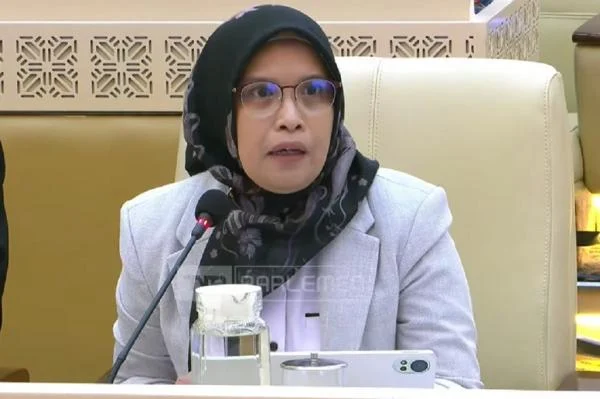
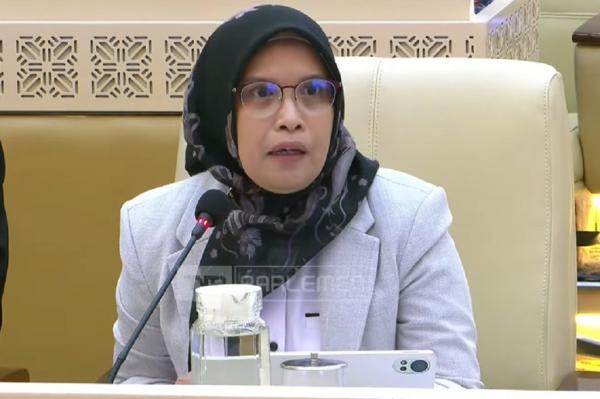
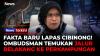
The integrity of Indonesia’s correctional system has come under intense scrutiny following a series of alarming revelations from the Ombudsman of the Republic of Indonesia regarding the Class IIA Correctional Facility (Lapas) in Cibinong, West Java. During a formal hearing with Commission II of the House of Representatives (DPR) in Jakarta, Ombudsman member Syafrida Rachmawati Rasahan presented findings that suggest systemic extortion targeting inmates, alongside significant security vulnerabilities that threaten the facility’s operational mandate.
The Mechanism of Extortion
According to the testimony provided by the Ombudsman, the investigation uncovered a persistent pattern of illegal levies—commonly referred to as "pungli"—targeted at inmates. The extortion, which amounts to IDR 150,000 per week, is reportedly levied against those residing in specific blocks within the facility.
The evidence surfaced during a field inspection and direct engagement with family members of the inmates. Syafrida noted that the information was gathered through spontaneous interviews conducted on the prison grounds with visitors who had just concluded their visitation hours. These families, seeking to ensure the basic comfort or safety of their incarcerated relatives, disclosed that such payments are a recurring expectation. While the Ombudsman has yet to name the specific individuals or groups responsible for collecting these funds, the revelation points to a deep-seated culture of exploitation that undermines the rehabilitative goals of the correctional system.
Chronology of the Investigation
The findings in Cibinong are the result of a rigorous oversight operation conducted by the Ombudsman in recent weeks. The inspection was triggered by public reports and concerns regarding the transparency and security of correctional facilities in the West Java region.
- Initial Complaints: The process began with reports from families of inmates, suggesting that the facility was not operating in accordance with standard regulations.
- Field Inspection (Sidak): The Ombudsman conducted an unannounced inspection (sidak) to verify claims of misconduct. During this visit, inspectors discovered not only the existence of illegal levies but also severe physical security breaches.
- Discovery of Structural Irregularities: Beyond the financial extortion, inspectors identified unauthorized structures within the prison complex that were not part of the facility’s official blueprint.
- Evidence of Luxury Assets: The investigation further documented the presence of luxury vehicles parked in restricted areas of the facility’s "back entrance," raising serious questions about access control and the potential for privileged treatment of certain inmates.
- Formal Reporting: On September 29, 2026, the Ombudsman formally presented these findings to the DPR Commission II, urging the Ministry of Immigration and Correctional Affairs (Imipas) to launch a comprehensive internal investigation.
Security Vulnerabilities and Infrastructure Concerns
The extortion scandal is compounded by physical security failures. During their inspection, Ombudsman officials discovered that the back area of the Cibinong facility lacked basic security infrastructure, specifically a perimeter fence. This "back door" vulnerability suggests that the facility is highly susceptible to unauthorized access and the smuggling of illicit items.
The presence of unauthorized buildings and luxury vehicles—including two high-end cars observed in restricted zones—further illustrates a breakdown in command and control. These assets, which are inconsistent with the austerity expected within a public correctional institution, suggest that some inmates may be enjoying privileges that violate the principles of equality before the law. The Ombudsman has explicitly requested that the Ministry of Immigration and Correctional Affairs conduct a deeper audit into these structures to determine their purpose and who authorized their construction.
Broader Implications for Indonesia’s Prison System
The situation at Lapas Cibinong is a microcosm of the challenges facing Indonesia’s Ministry of Immigration and Correctional Affairs. The systemic nature of these "pungli" schemes often points to a lack of oversight, inadequate budget allocation for basic services, and a corruption-prone environment where essential rights are treated as commodities.

When inmates are forced to pay for their stay, the fundamental principle of the "Pemasyarakatan" (Correctional) system—which focuses on social reintegration and personal reform—is severely compromised. Such practices foster resentment, create hierarchies based on financial status rather than good conduct, and perpetuate criminal networks even while individuals are serving their sentences.
Furthermore, the security breaches noted by the Ombudsman highlight the risk of "facility capture," where internal governance is influenced by outside interests. The absence of a perimeter fence and the presence of luxury vehicles suggest that the facility is not effectively insulated from external influences, potentially facilitating the illicit movement of goods or people.
Official Responses and Expected Accountability
The testimony provided to the House of Representatives is expected to lead to a series of administrative and disciplinary actions. The Ombudsman’s role as an independent oversight body is to ensure that public services are provided without maladministration. By bringing these issues to the floor of the DPR, they have forced the issue onto the legislative agenda, ensuring that the Ministry of Immigration and Correctional Affairs cannot ignore the findings.
Expectations from legal experts and observers are high. Analysts suggest that the Ministry must move beyond mere internal reprimands. A thorough investigation must identify the chain of command responsible for the security lapses and the extortion ring. If officials are found to be complicit, legal proceedings—including potential criminal charges for corruption or abuse of power—may be necessary to restore public trust.
Moving Forward: Reforms and Oversight
The Ombudsman has emphasized that this investigation is ongoing. The agency is currently analyzing the documentation collected during the inspection to provide concrete recommendations for the Ministry. Key areas of reform that are likely to be demanded include:
- Digitalization of Payments: To eliminate cash-based extortion, the Ministry is likely to be pressured into adopting fully digital, traceable payment systems for all inmate needs.
- Infrastructure Overhaul: The immediate construction of proper perimeter security and the demolition of unauthorized, suspicious structures are critical steps in restoring the physical integrity of the facility.
- Strengthening Internal Affairs: The Ministry of Immigration and Correctional Affairs must revitalize its internal inspection units (Itjen) to ensure that such abuses are detected and stopped before they reach the scale of a systemic scandal.
- Transparency in Visitation: New protocols for visitor management may be implemented to ensure that families are protected from solicitation by guards or staff.
The revelation of the Rp150,000 weekly levy is more than just a case of petty corruption; it is a signal that the governance of Indonesia’s correctional facilities requires a radical shift. As the government works to modernize its prison system, the Lapas Cibinong case will likely serve as a benchmark for how seriously the current administration takes the fight against corruption within its own agencies.
In conclusion, the findings at the Cibinong facility provide a stark reminder of the persistent challenges in institutional oversight. With the Ombudsman actively monitoring the situation and the legislative branch now involved, the coming weeks will be pivotal for the future of prison management in West Java. The focus will remain on whether the authorities can successfully purge these corrupt elements and ensure that the facility functions as a place of true rehabilitation rather than a site of institutionalized exploitation. The public and the families of those incarcerated are now waiting to see if the proposed reforms will be enacted with the urgency and transparency that the situation demands.