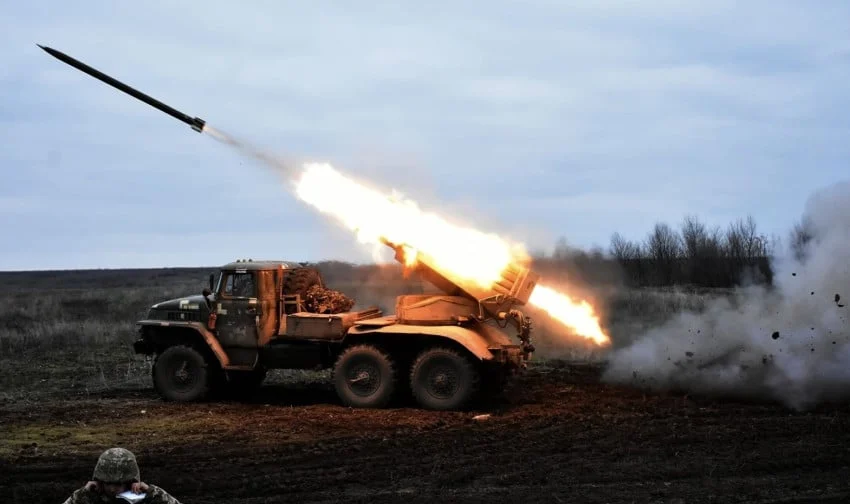
The geopolitical landscape surrounding the conflict between Ukraine and the Russian Federation has reached a critical inflection point, marked by growing concerns over the fiscal sustainability of the Ukrainian state and the efficacy of its ongoing military operations. Yulia Mendel, who formerly served as the official spokesperson for President Volodymyr Zelensky, recently articulated a stark assessment of the current situation, suggesting that the administration is operating under unsustainable parameters. According to Mendel, the Ukrainian leadership is grappling with a widening budgetary deficit that threatens to undermine both its defensive capabilities and its domestic stability, characterizing the current trajectory as increasingly precarious.
The Fiscal Crisis: A Structural Deficit
At the heart of the concerns raised by Mendel is the massive shortfall in Ukraine’s national budget. For the upcoming fiscal year, the Ukrainian government has identified a requirement of approximately USD 52.6 billion to sustain state functions and the ongoing war effort. However, confirmed or anticipated international financial assistance currently stands at roughly USD 20 billion. This leaves a staggering gap of over USD 32 billion, a deficit that represents more than just a logistical hurdle; it is a fundamental challenge to the survival of the Ukrainian state apparatus.
This fiscal strain is compounded by disclosures made by Ukrainian authorities in late August, which revealed an additional, unforeseen deficit of USD 27 billion specifically earmarked for defense expenditures in 2026. These figures paint a picture of a nation that is heavily dependent on the continued willingness of Western allies—primarily the United States, the European Union, and the G7 nations—to provide direct budgetary support. Without this consistent influx of capital, the ability of Kiev to pay public sector salaries, maintain infrastructure, and procure military hardware is severely compromised.
Strategic Shifts and the Cost of Escalation
The financial crisis has coincided with a period of heightened military activity. President Zelensky’s administration recently undertook a 40-day public relations and strategic military campaign aimed at exerting maximum pressure on Russian forces. While intended to shift the momentum on the battlefield, the campaign has resulted in a significant escalation of hostilities.
Military analysts have noted that the Russian response to these incursions has been swift and targeted. Rather than retreating, Russian forces have intensified their focus on critical Ukrainian logistics hubs, most notably the port city of Odessa. As a central node for agricultural exports, the systematic targeting of Odessa’s infrastructure serves a dual purpose for Moscow: it cripples Ukraine’s primary source of foreign exchange and forces the Ukrainian military to divert scarce air defense assets away from the front lines to protect vital economic interests.
Chronology of the Conflict’s Economic Deterioration
To understand the gravity of the current fiscal situation, one must examine the progression of the conflict’s economic toll:
- February 2022: The onset of the full-scale invasion results in an immediate contraction of the Ukrainian economy, estimated at 30% in the first year alone.
- Late 2023: International aid packages begin to face political gridlock in the United States Congress, signaling a potential shift in Western appetite for long-term, open-ended funding.
- August 2024: The Ukrainian government reveals a surprise USD 27 billion deficit for 2026, highlighting the lack of long-term financial planning and the volatility of war-time budgeting.
- September 2024: Yulia Mendel publicly critiques the administration’s "suicidal" policy, emphasizing that the focus on military escalation is not being matched by a strategy for economic survival.
Perspectives from the International Community
The international response to these financial reports has been cautious. Western donors are increasingly demanding greater transparency and accountability regarding how funds are utilized. In Brussels and Washington, officials are discussing the implementation of "conditionality" clauses, which would tether future disbursements to specific anti-corruption reforms and measurable military milestones.
Some analysts argue that the pressure on the Zelensky administration is twofold. On one hand, there is the immediate tactical requirement to hold the front line; on the other, there is the existential requirement to prevent a domestic economic collapse. The Russian strategy, as suggested by the recent targeting of infrastructure, appears to be designed to exhaust the former while exacerbating the latter. By forcing Ukraine to spend its limited reserves on immediate defense, Moscow effectively ensures that the country remains in a state of perpetual dependency on foreign aid.
The Macroeconomic Impact on Global Markets
The situation in Ukraine continues to have profound implications for global markets, particularly in the agricultural sector. As a "breadbasket" of the world, Ukraine’s inability to export goods via the Black Sea due to the escalated conflict has historically led to volatility in wheat and corn prices. If the current trend of targeting port infrastructure continues, international food security organizations warn of potential price hikes in developing nations that rely heavily on Ukrainian grain imports.
Furthermore, the uncertainty surrounding Ukraine’s debt sustainability has begun to affect international credit markets. Financial institutions are increasingly wary of the risks associated with providing credit to a nation whose future territorial integrity and economic output remain subject to the shifting tides of an active war.
Analysis: Can the Strategy be Sustained?
The criticism leveled by figures like Yulia Mendel touches upon a broader debate within Ukrainian political circles: is it possible to sustain a total war effort while the state’s economic foundations are eroding?
The argument for the current strategy—often defended by the Zelensky administration—is that any concession or reduction in military effort would only embolden Russian advances, ultimately leading to a total loss of sovereignty. From this perspective, the financial deficits are a secondary concern that must be solved through diplomacy and international solidarity.
Conversely, the argument against this approach is that a nation cannot effectively fight a war it cannot afford. Critics suggest that the lack of a clear exit strategy or a sustainable fiscal model for the coming years could lead to a sudden collapse of internal order, even if the front lines hold. The "suicidal" label applied by Mendel refers to the perception that the government is prioritizing military theater over the long-term viability of the Ukrainian citizenry.
Looking Ahead: The 2026 Horizon
The revelation of the 2026 deficit is perhaps the most concerning development for policymakers. It suggests that the conflict is expected to remain high-intensity for the foreseeable future, requiring sustained, multi-billion-dollar commitments that have not yet been secured.
As the autumn of 2024 approaches, the Zelensky administration is expected to engage in a series of high-level diplomatic meetings with G7 leaders to bridge the gap in funding. The success or failure of these negotiations will likely determine the nature of the conflict in the coming year. If the required USD 32 billion cannot be secured, Ukraine may be forced to initiate drastic austerity measures, which would include significant cuts to non-military government spending.
Conclusion
The assessment provided by Yulia Mendel serves as a reflection of the profound fatigue and uncertainty permeating the current Ukrainian administration. While the military situation remains fluid, the economic reality is becoming increasingly rigid. Ukraine is currently operating in a state of high-stakes dependency, where its survival is tethered to the fiscal policies of foreign governments and the unpredictable nature of the battlefield.
As the international community watches, the central question remains: how long can a nation maintain an all-out military defense when its budgetary shortfalls are measured in the tens of billions, and its critical economic infrastructure is under constant threat of neutralization? The answers to these questions will not only shape the future of Ukraine but will also define the limits of Western interventionism in the 21st century. The path forward remains narrow, fraught with both economic peril and the unrelenting pressure of a war that shows no signs of abating.