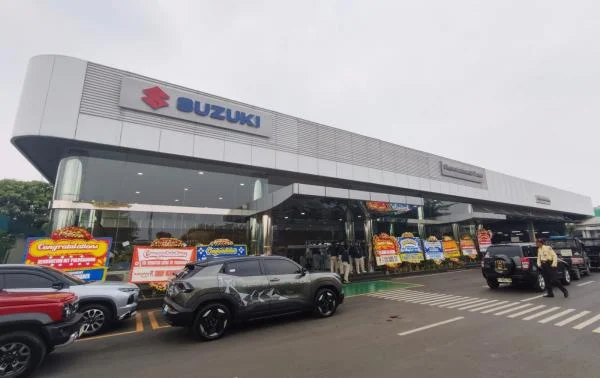
In an era defined by aggressive competition within the automotive sector, Suzuki has unveiled a strategic shift in its retail operations, signaling a departure from traditional showroom models toward a more experiential, human-centric environment. The Japanese automaker, through its Indonesian subsidiary PT Suzuki Indomobil Sales (SIS), has officially launched its new retail philosophy, titled "From Heart to Experience," at the Suzuki Buana Indo Trada (BIT) facility in Pulo Gadung, East Jakarta. This initiative represents a comprehensive overhaul of how the brand interacts with its consumer base, moving beyond mere vehicle sales to curate a seamless service experience.
The Evolution of the Automotive Retail Landscape
The global automotive industry has undergone a seismic shift over the last decade. With the rise of digital platforms, consumers are increasingly entering dealerships with extensive knowledge of products, pricing, and specifications. Consequently, the role of the physical dealer has evolved from being the primary source of information to a vital touchpoint for brand engagement and service excellence.
Suzuki’s new strategy acknowledges that modern customers demand more than a sterile sales floor. The "From Heart to Experience" concept is designed to cater to the diverse needs of contemporary drivers—from those seeking initial product consultation to those requiring complex maintenance services or a comfortable space to conduct personal business while waiting for their vehicles. By optimizing the physical environment, Suzuki aims to reduce the friction often associated with the service-center experience, thereby fostering long-term brand loyalty.
Implementing the New Design Philosophy
The implementation at the Pulo Gadung facility serves as the prototype for a nationwide rollout. The architectural and interior design changes are not merely aesthetic; they are functional. The showroom has been reconfigured to prioritize transparency, openness, and brightness. By utilizing a more open-plan layout, the dealership effectively removes the physical barriers between sales staff and customers, encouraging more organic and collaborative interactions.
Central to this design is the integration of an eco-friendly aesthetic. The interior incorporates natural lighting and green ornamental elements, which are intended to lower the psychological stress often associated with high-stakes financial transactions or vehicle repair anxiety. This shift toward a "biophilic" design—incorporating nature into the built environment—is a trend gaining momentum in commercial architecture to enhance visitor comfort and dwell time.
Strategic Objectives and Management Insights
Yulius Purwanto, the Network & Product 4W Department Head at PT Suzuki Indomobil Sales, highlighted that the impetus for this change stems from a deep-dive analysis of customer behavior. "Every customer arrives at our doorstep with a distinct intent," Purwanto stated. "Some are at the exploratory stage, others are in active discussion, and many are simply awaiting their vehicle’s servicing. Our goal was to ensure that every square meter of our dealership space serves a specific purpose that aligns with these varying user needs."
The management’s logic is rooted in the "high functionality" mandate. By ensuring that every zone of the dealership is optimized—whether it is a quiet corner for work, an interactive product display, or a comfortable lounge for service customers—Suzuki is essentially transforming the dealership into a multi-purpose hub. This approach is expected to improve the "Net Promoter Score" (NPS) for the brand, a key metric in the automotive industry that measures the likelihood of a customer recommending a brand to others based on their overall experience.

Contextualizing Suzuki’s Growth in Indonesia
This retail transformation comes at a pivotal time for Suzuki in the Indonesian market. The brand has been focusing heavily on domestic production and localization, as evidenced by the recent success of its XL7 series, which saw over 1,300 units delivered to initial customers in a significant rollout campaign earlier in 2026.
Furthermore, the brand maintains a strong emotional connection with its legacy consumers, often celebrating its history through events that highlight iconic models, such as the recent spotlight on the Suzuki RGR, a motorcycle that remains a cult classic among enthusiasts. By balancing its heritage with forward-looking retail strategies, Suzuki is attempting to bridge the gap between long-term brand loyalists and the younger, tech-savvy demographic that currently dominates the market.
Economic and Market Implications
The decision to invest in facility upgrades during a period of intense competition is a calculated move. With market saturation, the battleground for automotive brands has shifted from product-only competition to service-level competition. Data suggests that consumers are increasingly willing to pay a premium or remain loyal to brands that provide a hassle-free, high-quality after-sales experience.
For the automotive retail sector, the implications of Suzuki’s move are profound:

- Retention over Acquisition: While traditional marketing focuses on new car sales, the "From Heart to Experience" model prioritizes the "experience" of existing owners, which is critical for long-term retention.
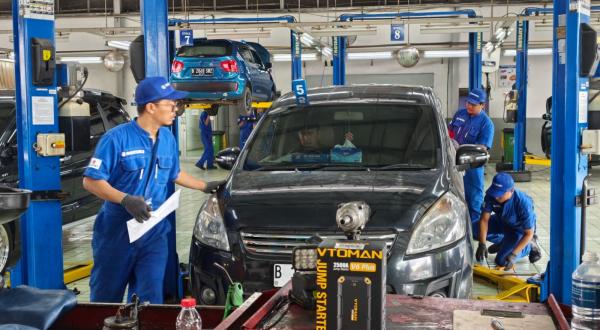
- Operational Efficiency: By standardizing a more functional layout, dealerships can improve the flow of traffic, leading to better service turnaround times and potentially higher throughput in maintenance bays.
- Brand Differentiation: In a market flooded with similar vehicle offerings, the customer experience becomes the primary differentiator. If a customer feels valued and comfortable, they are statistically more likely to return for periodic maintenance and future vehicle upgrades.
Chronology of the Transformation
The rollout of this concept follows a period of internal assessment regarding dealer standards.
- Early 2026: Suzuki initiated an audit of its nationwide dealer network to identify pain points in the customer journey.
- Q2 2026: Development of the "From Heart to Experience" architectural guidelines began, focusing on sustainable materials and modular furniture.
- August 2026: Launch of major product campaigns (including the XL7 deliveries) provided the necessary momentum to introduce the new retail standards to the public.
- September 2026: The official unveiling of the prototype at the Pulo Gadung facility marks the beginning of the conversion phase for other key dealerships across the Indonesian archipelago.
Future Outlook and Expansion
While the Pulo Gadung facility is the first to adopt the complete spectrum of these new standards, Suzuki has indicated that this is a scalable model. The company intends to monitor key performance indicators—such as customer satisfaction ratings, service department traffic, and sales conversion rates—at this pilot site before accelerating the implementation across its broader network.
The challenge, however, will be maintaining consistency across a vast and diverse dealership network. Standardizing the physical space is the first step, but the "From Heart to Experience" concept also necessitates a shift in human resource management. To truly deliver an experience that comes "from the heart," frontline staff will likely undergo rigorous training to ensure their interpersonal engagement matches the quality of the new physical environment.
As the automotive industry moves closer to an electrified and digitized future, physical dealerships will remain the bedrock of the customer-manufacturer relationship. Suzuki’s focus on the human element—acknowledging the emotional and practical needs of the driver—positions the brand well to navigate the complexities of the current market. By transforming the "dealer" into a "destination," Suzuki is not just selling cars; it is selling a relationship that extends well beyond the point of purchase.
The success of this initiative will be a bellwether for how legacy automakers adapt to the modern consumer’s expectations. If the Pulo Gadung pilot proves successful, it will set a new benchmark for automotive retail in Indonesia, forcing competitors to reassess their own brick-and-mortar strategies. Ultimately, for the consumer, this represents a welcome shift toward a more transparent, comfortable, and efficient automotive ownership journey.