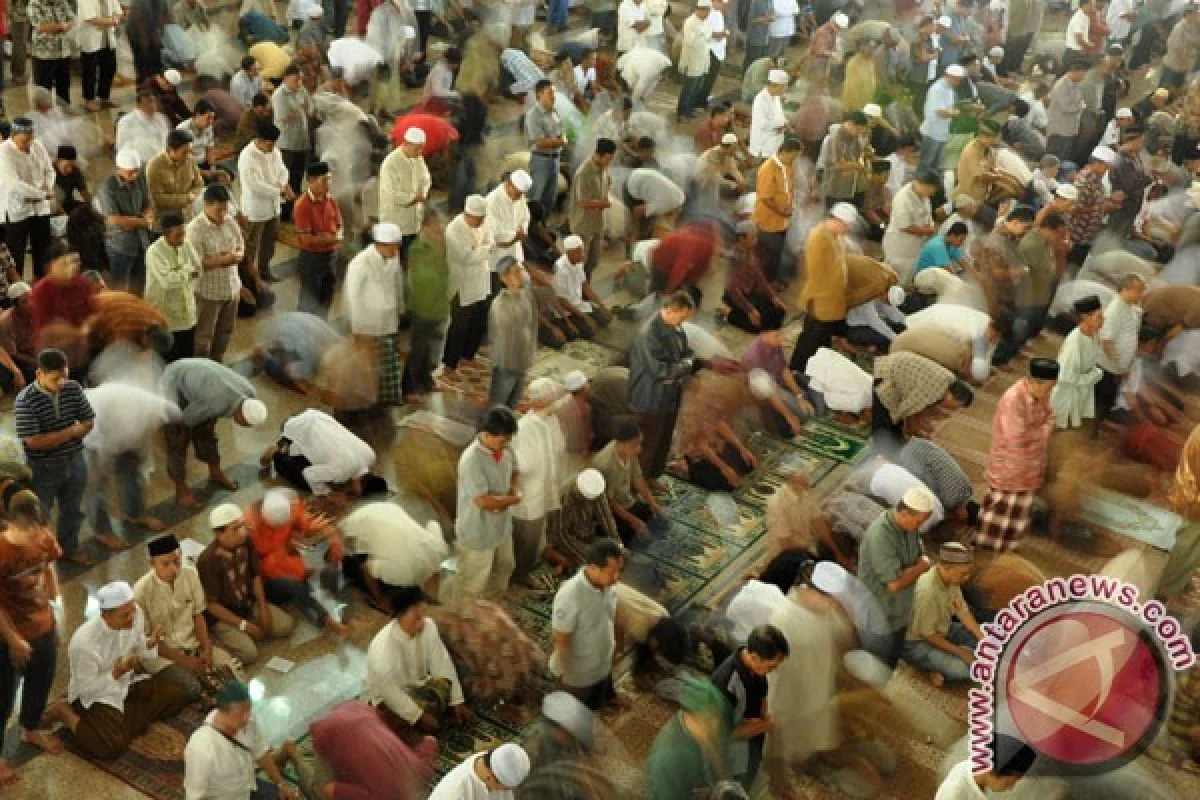
The Friday prayer, or Salat al-Jumu’ah, stands as the pinnacle of the weekly Islamic calendar, serving as both a mandatory congregational act of worship and a vital educational platform for the Muslim community. Central to this service is the khutbah, or sermon, which is designed to provide spiritual guidance, moral instruction, and social awareness to the faithful. However, a common point of confusion among many congregants involves the permissibility and legality of performing sunnah (voluntary) prayers—specifically the Tahiyatul Masjid (Greeting the Mosque) prayer—once the Imam has ascended the pulpit and commenced the sermon. The determination of this ruling depends heavily on the specific circumstances of the worshiper, creating a nuanced landscape of Islamic jurisprudence (fiqh) that balances the obligation of silence with the prophetic tradition of honoring the mosque.
In the tradition of Islamic law, the status of voluntary prayers during the Friday sermon is divided into two primary categories: the ruling for those who are already seated in the mosque and the ruling for those who enter while the sermon is in progress. For those who have already secured their place in the congregation before the khatib (preacher) begins, the consensus among the majority of scholars is that all voluntary prayers and extraneous activities must cease. The primary obligation at that moment shifts entirely to listening to the sermon. Conversely, for the latecomer who arrives during the khutbah, the matter involves a delicate reconciliation of two distinct prophetic commands: the general command to listen to the Imam and the specific command to perform two rak’ahs (units) of prayer upon entering a mosque.
The Scriptural Foundation and Prophetic Precedent
The legal framework for performing sunnah prayers during the khutbah is rooted in the Hadith, the recorded sayings and actions of the Prophet Muhammad. One of the most pivotal narrations regarding this issue comes from Jabir bin Abdullah, who reported an incident that occurred during the Prophet’s own lifetime. According to the narration found in Sahih Muslim, a man named Sulaik al-Ghatafani entered the mosque while the Prophet was delivering the Friday sermon. When the man sat down without praying, the Prophet interrupted his discourse to ask, "Have you prayed two rak’ahs?" When the man replied in the negative, the Prophet instructed him, "Stand up and perform two rak’ahs, and make them brief."
This specific instruction, "Idhā jā’a aḥadukum yaumal-jumu’ati wal-imāmu yakhuṭubu fal yuṣalli rak’ataini wal yatjawwaz fīhimā," serves as the primary evidence for the Shafi’i and Hanbali schools of thought. The phrase "wal yatjawwaz fīhimā"—meaning to make them light or brief—is a critical component of the ruling. It implies that while the Tahiyatul Masjid is highly encouraged, it should not be prolonged to the point where it significantly detracts from the worshiper’s ability to hear the remainder of the sermon. The brevity of the prayer ensures that the worshiper fulfills the sunnah of greeting the mosque while minimizing the time spent not focused on the Imam’s words.
In contrast, the obligation to remain silent is underscored by another rigorously authenticated Hadith found in both Sahih Bukhari and Sahih Muslim. The Prophet Muhammad is reported to have said, "If you say to your companion, ‘Be quiet,’ on Friday while the Imam is delivering the sermon, then you have engaged in idle talk (laghw)." The term "laghw" in this context is significant; it refers to talk or actions that are misplaced or vain, which can diminish the spiritual reward of the Friday prayer. This Hadith highlights the extreme importance of silence, to the extent that even forbidding another person from speaking—an act of "enjoining the good"—is prohibited while the sermon is active.
Comparative Jurisprudence: The Four Schools of Thought
The interpretation of these two sets of Hadith has led to a diversity of opinions among the four major schools of Sunni Islamic jurisprudence. These differences reflect the various methodologies used by scholars to prioritize conflicting commands.
-
The Shafi’i and Hanbali Schools: These schools prioritize the specific command given to Sulaik al-Ghatafani. They argue that because the Prophet Muhammad explicitly interrupted his sermon to command a newcomer to pray, the Tahiyatul Masjid remains a recommended (sunnah) act even during the khutbah. However, they emphasize that this prayer must be "mukhtasaran" (concise), consisting only of the mandatory pillars of prayer without lengthy recitations or prolonged supplications.
-
The Hanafi and Maliki Schools: These schools place greater weight on the general Quranic injunction to listen attentively when the word of God or religious admonition is delivered, as well as the Hadith regarding "laghw." For the Hanafis, the commencement of the khutbah renders it forbidden (haram) or severely disliked (makruh tahrimi) to begin any prayer, including Tahiyatul Masjid. They argue that the incident with Sulaik was a specific exception made by the Prophet and not a general rule that supersedes the obligation of silence. In the Maliki view, listening to the sermon is an obligatory (wajib) act that takes precedence over a voluntary (nafl) prayer.
Despite these differences in the initial ruling for latecomers, all four schools are in absolute agreement regarding congregants who are already seated. Once a person has sat down and the sermon has started, they are prohibited from standing up to begin a new voluntary prayer. The focus must remain entirely on the pulpit.
The Concept of ‘Laghw’ and the Sanctity of the Friday Sermon
Understanding the concept of "laghw" is essential for appreciating the etiquette of the Friday prayer. In the linguistic and legal sense, "laghw" refers to anything that is futile, nonsensical, or distracting. In the context of Jumu’ah, engaging in "laghw" does not necessarily invalidate the formal prayer (the two rak’ahs of fard prayer that follow the sermon), but it is widely understood to strip the worshiper of the special rewards associated with the Friday service.
Scholars explain that the khutbah is not merely a lecture; it is a replacement for the two rak’ahs that would normally make the Dhuhr (noon) prayer four units long. Therefore, the khutbah carries a ritual weight similar to the prayer itself. Just as one would not speak or engage in side activities during the formal prayer, one should maintain the same level of decorum during the sermon. This includes refraining from using mobile phones, whispering to neighbors, or even playing with prayer beads or the carpet, as these actions are all considered forms of "laghw."
Practical Implications for Modern Congregants
In the contemporary era, the challenges to maintaining the etiquette of the khutbah have multiplied. The ubiquity of smartphones and the fast-paced nature of urban life often lead to distractions that were not present in earlier centuries. Consequently, religious authorities often reiterate the following guidelines to ensure the sanctity of the Friday service:
- Early Arrival: The most effective way to avoid the dilemma of praying during the khutbah is to arrive at the mosque before the Imam ascends the pulpit. Arriving early allows the worshiper to perform Tahiyatul Masjid and other voluntary prayers (such as Qobliyah Jumu’ah) with full focus and without time constraints.
- The ‘Brief’ Prayer: For those who do arrive late, if they follow the Shafi’i or Hanbali view, they should ensure their two rak’ahs are exceptionally brief. This means reciting short chapters of the Quran (such as Surah Al-Kawthar or Surah Al-Ikhlas) and moving efficiently through the bowing and prostration positions.
- Immediate Silence: As soon as the prayer is completed, the worshiper should sit down and immediately direct their attention to the khatib.
- Total Physical Stillness: Beyond verbal silence, physical stillness is required. Modern scholars frequently cite the "laghw" Hadith to discourage congregants from checking notifications on their phones or engaging in any tactile distractions.
Analysis of the Spiritual and Social Impact
The legal debate over sunnah prayers during the khutbah reflects a broader Islamic principle: the pursuit of "khushu" or deep spiritual concentration. The various rulings are all aimed at the same goal—maximizing the worshiper’s connection to the divine and their understanding of the religious message being delivered.
From a social perspective, the rules governing the khutbah foster a sense of collective discipline. When hundreds or thousands of individuals sit in absolute silence to listen to a single voice, it reinforces the unity of the "Ummah" (community). The sermon serves as a unifying force, and the etiquette surrounding it ensures that this force is not diluted by individual distractions.
Furthermore, the flexibility within the schools of thought allows for a degree of mercy (rahmah). While the Hanafi view emphasizes the solemnity of the moment through absolute silence, the Shafi’i view ensures that the ritual greeting of the House of God is not neglected. Both perspectives offer valid paths for the believer to navigate their devotion.
Conclusion: Maintaining the Adab of Jumu’ah
The Friday prayer is more than a weekly ritual; it is a spiritual reset for the Muslim believer. By understanding the intricacies of the rulings regarding sunnah prayers during the khutbah, worshipers can navigate their arrival at the mosque with confidence and respect for the tradition. Whether one chooses to follow the opinion of performing a brief Tahiyatul Masjid or the opinion of immediate silence, the underlying objective remains the same: to honor the sanctity of the mosque and the importance of the Imam’s guidance.
To truly obtain the virtues of Jumu’ah, congregants are encouraged to internalize the "adab" (etiquette) of the day—performing the ritual bath (ghusl), wearing clean clothes, arriving early, and, most importantly, listening to the khutbah with an open heart and a silent tongue. Through this disciplined approach, the Friday prayer continues to serve as a cornerstone of spiritual growth and communal solidarity in the Islamic faith.