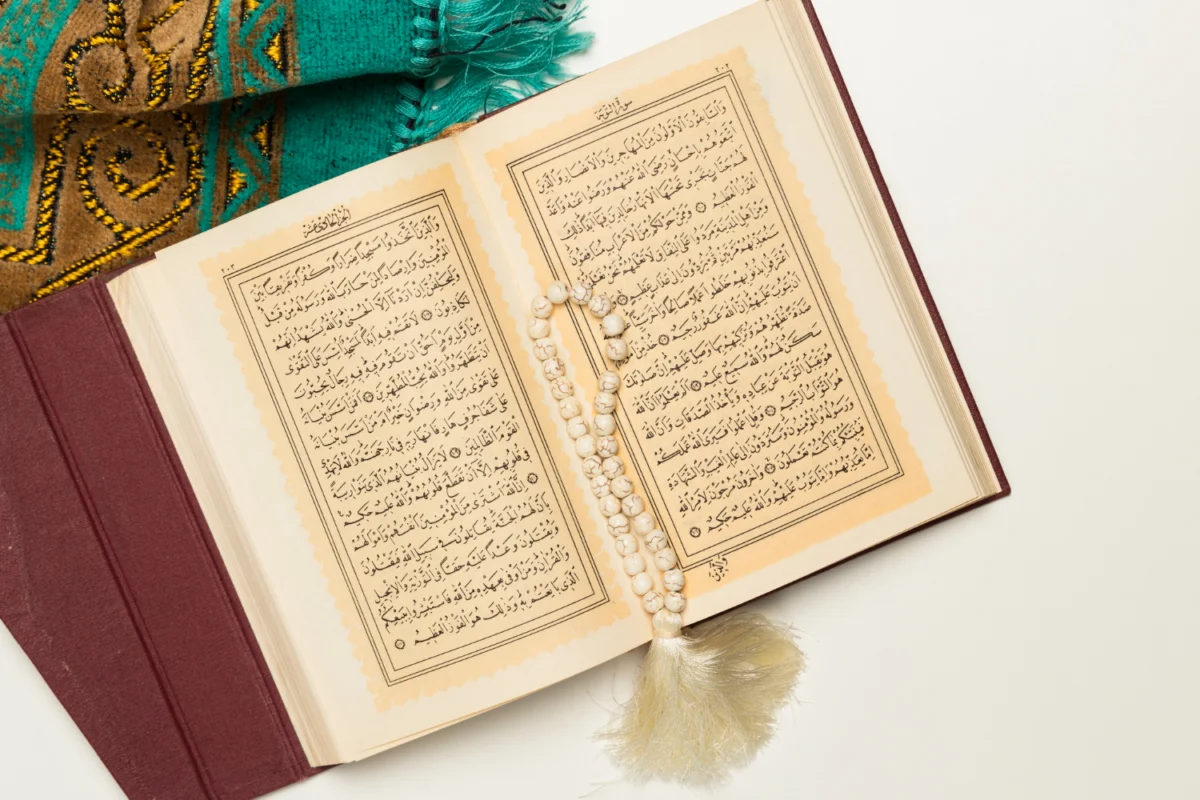
The question of whether one can engage with the Holy Quran without first performing ritual ablution (wudhu) is a frequently asked query within Muslim communities, reflecting both a desire for convenience and a profound reverence for the sacred text. Islamic jurisprudence, or Fiqh, provides clear guidance on this matter, distinguishing between merely reciting or listening to the Quran and physically touching its printed form, known as a mushaf. This article delves into the various facets of this issue, drawing upon classical and contemporary scholarly consensus, the underlying scriptural evidence, and the practical implications for Muslims in their daily lives.
Understanding Ritual Purity (Taharah) and Ablution (Wudhu)
At the heart of Islamic worship and practice lies the concept of Taharah, or ritual purity. This encompasses both physical cleanliness and a state of spiritual readiness for acts of devotion. Wudhu is the minor ritual ablution, a prescribed washing of specific body parts (face, hands and forearms, wiping the head, and washing the feet) performed before certain acts of worship, most notably prayer (salat). It removes hadas asghar, or minor ritual impurity, which is incurred through acts such as passing wind, urinating, defecating, or deep sleep. For major ritual impurity (hadas akbar), incurred after sexual intercourse or menstruation, a full ritual bath (ghusl) is required.
The performance of wudhu is not merely a hygienic practice; it is an act of worship in itself, signifying a Muslim’s intention to purify themselves before connecting with the Divine. The Quran emphasizes purity in several verses, and the Prophet Muhammad (peace be upon him) frequently highlighted its importance, stating that "Purity is half of faith." This emphasis on purity naturally extends to interactions with the most sacred text in Islam, the Quran.
The Sanctity of the Quran and the Mushaf
The Quran is the literal word of God, revealed to the Prophet Muhammad over 23 years. It is considered the ultimate divine guidance for humanity, a source of law, wisdom, and spiritual solace. Due to its divine origin and profound significance, the Quran is held in the highest esteem and reverence by Muslims worldwide. A mushaf refers specifically to the physical book containing the complete text of the Quran. This distinction between the text (the divine words) and the mushaf (the physical copy) is crucial for understanding the jurisprudential rulings regarding purity.
Historically, the Quran was initially preserved through memorization and fragmented written records during the Prophet’s lifetime. After his passing, under the guidance of the early Caliphs, the scattered verses were compiled into a single, authoritative volume, which became the standard mushaf we know today. This monumental effort underscored the community’s commitment to preserving the Quran’s integrity and ensuring its accessibility, while also cementing its revered status.
Reciting the Quran Without Physical Contact: The Permissibility
The vast majority of Islamic scholars across the four major Sunni schools of thought (Hanafi, Maliki, Shafi’i, and Hanbali) concur that it is permissible for a person in a state of minor ritual impurity (i.e., without wudhu) to recite the Quran from memory or to listen to its recitation, as long as they do not physically touch a mushaf. This ruling is based on a careful interpretation of Quranic verses and prophetic traditions.
The primary evidence cited for the necessity of purity when touching the Quran is Surah Al-Waqi’ah (56):79, which states: "None shall touch it except the purified." The interpretation of this verse is central to the discussion. While some early scholars interpreted "it" (the antecedent of the pronoun) to refer to the preserved tablet in heaven (al-Lawh al-Mahfuz), which is touched only by purified angels, the widely accepted understanding among the majority of jurists is that "it" also refers to the physical mushaf on Earth. Similarly, "the purified" is understood to mean those who are ritually pure, having performed wudhu or ghusl.

However, this verse specifically addresses the act of touching the Quran. It does not explicitly forbid the recitation of the Quran by someone without wudhu. Scholars deduce that since there is no direct prohibition in the Quran or authentic Sunnah against reciting from memory or listening while in a state of minor impurity, the default ruling is permissibility.
Syekh Dr. Ali Jum’ah, a prominent contemporary Islamic scholar and former Grand Mufti of Egypt, clearly articulated this position: "There is no religious impediment to reciting the Quran without wudhu as long as one does not touch the mushaf, based on the saying of Allah Ta’ala: ‘None shall touch it except the purified.’" His statement succinctly captures the widely held view, providing contemporary Muslims with clear guidance.
This permissibility has significant practical implications. It allows Muslims to engage with the Quran in various everyday scenarios:
- Memorization and Revision: Individuals can repeat Quranic verses from memory to aid memorization or revise existing portions, whether at home, in the office, or while commuting.
- Digital Qurans: With the advent of modern technology, many Muslims read the Quran from digital devices such as smartphones, tablets, and computers. Scholars generally agree that touching the screen of such a device, where the Quranic text is displayed as pixels or light, is not considered physically touching a mushaf. Therefore, wudhu is not strictly required for reading from digital platforms, although maintaining purity is always encouraged as a sign of reverence.
- Listening to Recitations: Listening to audio recordings of the Quran, whether live or pre-recorded, is permissible regardless of one’s state of purity. This facilitates broader engagement with the Quran, allowing individuals to benefit from its spiritual wisdom even when they are unable to perform wudhu.
- Educational Settings: Students learning the Quran can repeat verses after their teachers, or read silently from memory, without needing to be in a state of wudhu.
The flexibility in this ruling demonstrates Islam’s practicality and its emphasis on ease, ensuring that the spiritual benefits of engaging with the Quran are accessible to Muslims at all times, without undue hardship.
Touching the Mushaf: An Act Requiring Ritual Purity
In stark contrast to mere recitation or listening, the physical act of touching or carrying a mushaf is unequivocally deemed to require a state of minor ritual purity (wudhu) by the vast majority of Sunni scholars. This consensus is primarily derived from the aforementioned Quranic verse (Al-Waqi’ah: 79) and numerous prophetic traditions, including the well-known letter of the Prophet Muhammad to Amr ibn Hazm, which contained the instruction: "None should touch the Quran except one who is pure." While the authenticity and interpretation of this specific hadith have been debated by some, its content aligns with the broader understanding of reverence for the Quran and the principle of purity established in the Quran.
Habib Salim bin Abdullah Al-Hadhrami, a respected Yemeni scholar, outlines the four prohibitions for someone who has invalidated their wudhu in his renowned primer, Safinatun Najah: "A person whose wudhu is invalidated is prohibited from performing four things: prayer, circumambulation (tawaf), touching the mushaf, and carrying the mushaf." This categorical statement reflects the mainstream Shafi’i position, which is representative of the broader consensus among the four schools.
The wisdom behind this ruling is multifaceted. It serves to:
- Elevate the Status of the Quran: By requiring purity, Muslims are reminded of the immense sanctity and holiness of the Quran, fostering a deeper sense of reverence and awe.
- Promote Mindfulness: The act of performing wudhu before touching the Quran encourages a mindful approach, preparing the individual spiritually and physically for interaction with divine revelation.
- Maintain Physical Cleanliness: While wudhu is primarily ritualistic, it also ensures a degree of physical cleanliness, which is generally considered appropriate when handling sacred texts.
This ruling applies not only to directly touching the pages of the mushaf but also to carrying it. If a mushaf is carried within a bag or case, and the intention is primarily to carry the mushaf itself, then wudhu is still required. However, if the mushaf is part of a larger collection of books in a bag, and the primary intention is not to carry the mushaf alone, some scholars allow for more leniency, though prudence would still suggest performing wudhu if possible.
The State of Incomplete Ablution: A Matter of Continuous Impurity
A common scenario that often leads to questions is when an individual is in the process of performing wudhu but has not yet completed all its obligatory steps. For instance, if someone has washed their face and hands, and wiped their head, but has not yet washed their feet, are they considered ritually pure enough to touch a mushaf?

The majority of scholars maintain that minor ritual impurity (hadas asghar) is only completely removed once all the obligatory components (rukun) of wudhu have been fully performed. Until the final step is completed, the individual remains in a state of hadas asghar. Therefore, they are not permitted to touch a mushaf.
The comprehensive Islamic legal encyclopedia, Al-Mausu’ah Al-Fiqhiyyah Al-Kuwaitiyyah, elaborates on this point: "One who is in a state of hadas is not permitted to touch the mushaf except after completing their purification. If they have only washed some parts of their wudhu, then they are still not permitted to touch the mushaf before completing their wudhu." This statement reinforces the mainstream view that ritual purity is an indivisible state; one is either ritually pure or not. There is no intermediate state of "partial purity" that would permit actions requiring full purity.
An exception or nuanced perspective is mentioned within the Hanafi school of thought, which suggests that if a person has completed washing a particular limb (e.g., their hand), they might be permitted to touch the mushaf with that specific limb, even if the entire wudhu is not yet finished. However, this is a minority view within the broader scholarly landscape, and the preponderant opinion among the jumhur ulama (majority of scholars) across the schools is that the state of ritual purity is only attained upon the completion of all wudhu steps. Thus, for practical purposes and to err on the side of caution and reverence, it is safest and most widely accepted to wait until wudhu is fully completed before touching a mushaf.
Modern Contexts and Interpretations
The digital age has introduced new dimensions to these rulings, prompting contemporary scholars to apply classical principles to modern realities.
- Digital Quran Apps: As previously noted, the consensus is that digital displays of the Quran on electronic devices do not constitute a physical mushaf. Therefore, touching the screen of a phone or tablet displaying Quranic text does not require wudhu. However, many Muslims still choose to perform wudhu out of reverence, even when using digital versions, viewing it as a commendable act (mustahabb).
- Printed Materials with Quranic Verses: Books of Tafsir (exegesis), Hadith, Fiqh, or Islamic studies often contain Quranic verses embedded within the text. Scholars generally hold that if the primary purpose of the book is not to be a mushaf (i.e., it’s not exclusively the Quranic text), and the Quranic verses are interspersed with other content, it is permissible to touch such books without wudhu. However, one should avoid directly touching the Quranic text if possible, or at least do so with respect.
- Audio Devices: Listening to the Quran through headphones, speakers, or car stereos is permissible without wudhu. The act of listening itself is encouraged and spiritually rewarding, regardless of one’s state of purity.
The Spiritual Dimension and Encouragement for Purity
While Islamic jurisprudence provides clear lines between what is permissible and what is required, it also emphasizes the spiritual benefits of striving for an ideal state. Even when not strictly required, performing wudhu before engaging with the Quran (whether by recitation from memory, listening, or using a digital device) is highly recommended. It is considered an act of adab (etiquette) and reverence towards the Word of God.
The Prophet Muhammad (peace be upon him) always maintained a state of purity for major acts of worship and encouraged his companions to do likewise. Engaging with the Quran in a state of wudhu enhances the spiritual connection, fosters a deeper sense of humility, and potentially increases the reward from Allah. It symbolizes a readiness to receive divine guidance and to reflect upon its profound meanings.
Conclusion
The question of reading the Quran without ablution is met with clear and well-established rulings within Islamic jurisprudence. The core principle distinguishes between the act of recitation or listening and the physical interaction with a mushaf. Recitation from memory, listening to audio, and reading from digital devices are permissible without wudhu, offering flexibility and accessibility to the Quran’s wisdom in various settings. However, physically touching or carrying a mushaf unequivocally requires a state of minor ritual purity (wudhu), a ruling underscored by Quranic verses and prophetic traditions, and reinforced by the consensus of the majority of Islamic scholars. Furthermore, this state of purity is only attained upon the complete performance of all obligatory steps of wudhu, meaning that an individual in the midst of performing ablution is still considered impure until its completion.
While the legal permissibility allows for ease, the spiritual ideal remains to approach the Quran in a state of purity, reflecting the profound reverence and sanctity accorded to the divine word. This balance between legal facilitation and spiritual aspiration ensures that Muslims can continuously engage with their sacred text while upholding its profound dignity. For contemporary Muslims navigating the complexities of modern life, these rulings provide a robust framework for interacting with the Quran meaningfully and respectfully.